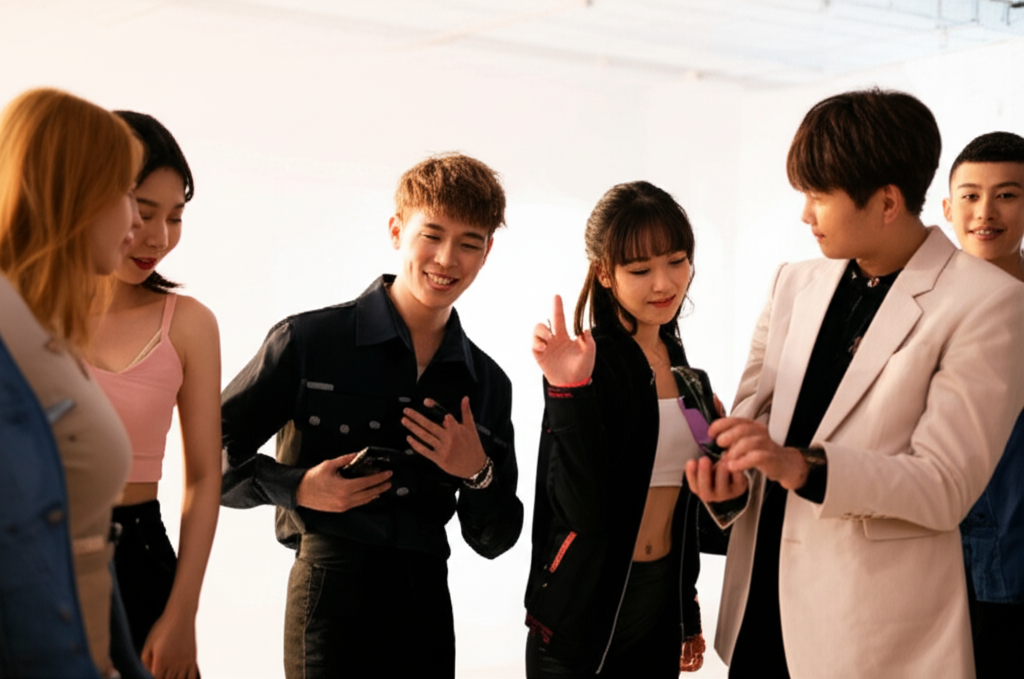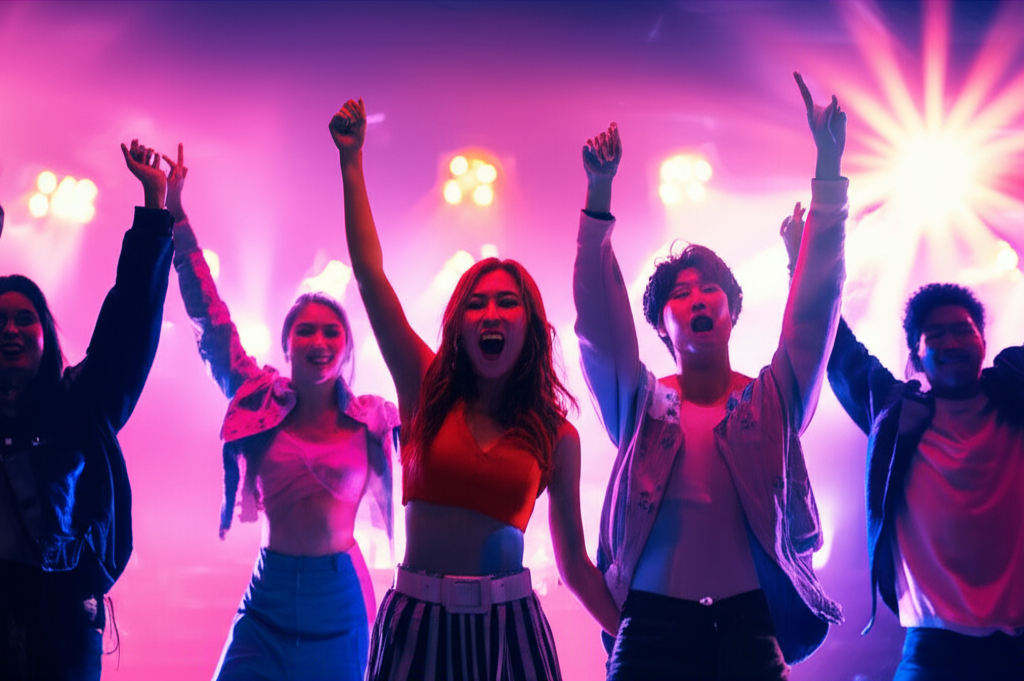
In the competitive world of K-pop, music videos are far more than visual add-ons to popular songs. They're complex productions that combine storytelling, dance, and new technology to grab attention worldwide. In 2026, these videos keep getting more ambitious, giving fans an experience that goes well beyond watching a screen. This article looks at how K-pop videos are made, what trends are emerging, and how they've become central to Korean pop culture.
The Evolution of K-Pop Music Videos
K-pop music videos have changed dramatically since the 1990s, when they were mostly simple performance footage. Today's productions feature elaborate sets, impressive visual effects, and storylines that rival short films. By 2026, tools like AI-enhanced editing and virtual set designs let groups create worlds that feel surprisingly real. This shift shows how skilled Korean production teams have become, and it also reflects how K-pop mixes Korean heritage with modern influences.
Groups regularly weave traditional Korean elements into their videos. Mythical creatures from Korean folklore, references to historical landmarks, and cultural symbols appear frequently, blending the old with the new while teaching international fans about Korean traditions. This approach has turned music videos into a powerful tool for sharing Korean culture worldwide.
Key Elements of Successful K-Pop Music Videos in 2026
What makes a K-pop music video work well in 2026? Several factors matter. First, choreography stays at the center. Groups spend months perfecting routines that are tightly synchronized and also tell a story through movement. Visual effects matter too, as teams use advanced software to create smooth transitions and fantastical scenes that match the song's theme.
- Narrative Structure: Many videos follow a clear storyline, pulling viewers in from the first second. This keeps fans engaged and encourages them to watch multiple times.
- Cinematography and Lighting: High-quality cameras and creative lighting set the mood, whether for an energetic dance track or a softer ballad.
- Fan Interaction: Videos now often include hidden details and interactive elements that fans can explore online, building a stronger connection with the audience.
- Diverse Themes: From empowerment anthems to personal reflections, topics vary widely, letting groups explore different aspects of human emotion.
These elements show up clearly in recent work from established groups. SEVENTEEN's newer releases, for example, demonstrate how intricate group dynamics can be visualized through synchronized performances that feel almost like live theater.
Spotlight on Iconic K-Pop Groups and Their Video Innovations
Some groups have set the standard for music video quality in K-pop. Their approaches offer insight into where the industry is heading.
BTS remains influential. Their videos often focus on personal growth and social themes, using metaphorical imagery to share messages of hope and strength. In recent releases, they've tried mixed media formats, incorporating fan-created content. This adds authenticity and makes fans feel like part of the project. It also strengthens the connection between the group and their global audience.
BLACKPINK has built its identity around high-fashion, empowering visuals. Their 2026 videos feature bold aesthetics, with directors drawing from global art movements to create striking sequences. The videos highlight individual members while maintaining a cohesive group narrative, which has helped them stay influential in the industry.
Younger groups like ITZY and TXT are also making an impact. ITZY's videos tend toward energetic, girl-power themes with bright colors and fast editing that matches their dynamic stage presence. TXT leans into fantasy, creating imaginative worlds that appeal to younger fans and help expand K-pop's reach.
Emerging Trends in K-Pop Music Videos for 2026
Several trends are shaping where K-pop music videos are headed. Sustainability is becoming more important, with production teams choosing eco-friendly options like digital sets that reduce physical waste. This fits with growing environmental awareness in Korean pop culture and gives fans content that promotes positive values.
Augmented reality is also becoming more common. Fans can now experience videos interactively through apps, using their phones to unlock hidden features or behind-the-scenes content. This creates a more engaging experience and makes videos feel relevant long after their initial release.
- Collaborative Creations: Groups are working more with international directors and artists, bringing different perspectives into K-pop.
- Shorter Formats for Social Media: With TikTok's dominance, clips and teasers are now optimized for quick viewing, driving viral trends.
- Inclusive Representation: Videos feature more diverse casts and storylines, connecting with audiences worldwide.
These shifts aren't temporary. They're changing how K-pop artists connect with fans and keeping music videos central to Korean pop culture.
The Impact on Korean Pop Culture and the Global Stage
Music videos play a major role in spreading Korean pop culture worldwide. They act as doorways for fans to learn about Korean language, fashion, and traditions, often sparking interest in K-dramas or Korean food. By 2026, the global popularity of K-pop videos has increased tourism to Korea, with filming locations becoming destinations for fans.
The economic effect is substantial too. Video production supports many creative professionals, from choreographers to visual effects artists, strengthening the Korean entertainment industry. As K-pop continues to top charts around the world, music videos serve as cultural representatives, building understanding and appreciation across borders.
2026 Update
Recent developments in early 2026 show that major labels are investing more in sustainable production methods, with three top agencies now committing to carbon-neutral video shoots by 2027. Additionally, the lines between music videos and interactive gaming content continue to blur, with two major groups releasing playable video segments within their latest releases.
Looking Forward: The Future of K-Pop Visuals
K-pop music videos in 2026 are more than entertainment. They represent an art form that grows alongside technology and culture. As groups keep raising their standards, fans can expect even more creative content that mixes innovation with genuine expression. Whether you've followed K-pop for years or are just discovering it, these visual productions offer a compelling window into Korean pop culture.
The work that goes into K-pop music videos reflects the industry's dedication to creativity and quality. From careful planning to the final edit, every detail aims to make an impact, securing K-pop's position in global entertainment.