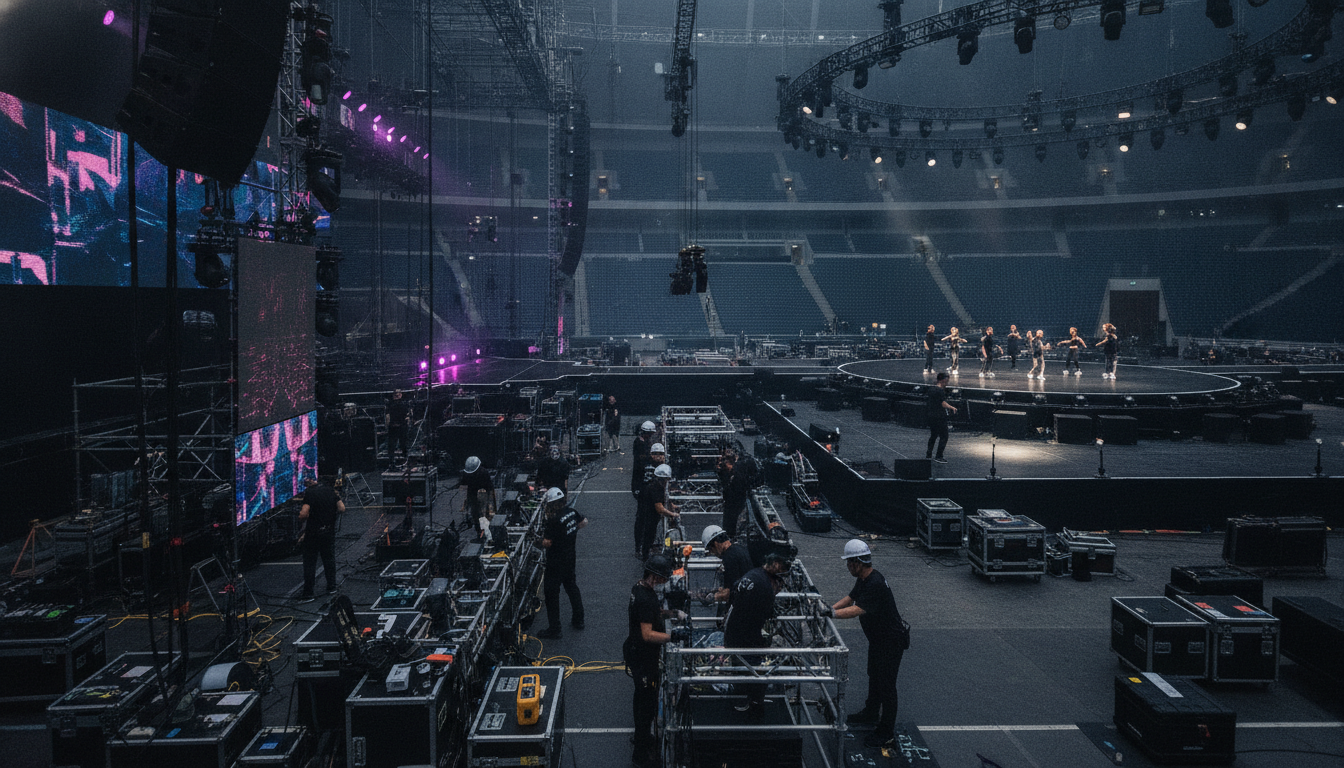
K-pop concerts are celebrated for their visually stunning stages, flawless choreography, and high-energy performances. While fans enjoy the magic in the moment, few realize the enormous effort and coordination that goes into producing these live spectacles. As the global reach of K-pop expands, concert production has become more sophisticated, blending artistry, technology, and logistics in ways that elevate the fan experience.
Crafting the Vision: From Concept to Theme
Every K-pop concert starts with a creative vision. Directors, artists, and production teams collaborate to develop a concept that captures the group’s identity and the message of their latest music. This vision guides every element of the show, from stage design to costumes and setlists.
- Concerts often revolve around unique themes, such as a fantastical adventure or a futuristic journey.
- BTS’s "Map of the Soul ON:E" concert featured narrative-driven visuals, blending storytelling with performance.
- TWICE’s "Ready to Be" tour embraced playful motifs and vivid colors, reflecting their energetic and youthful image.
By anchoring the concert in a strong concept, producers ensure that every detail feels intentional and immersive.
Innovative Stage Design and Technology
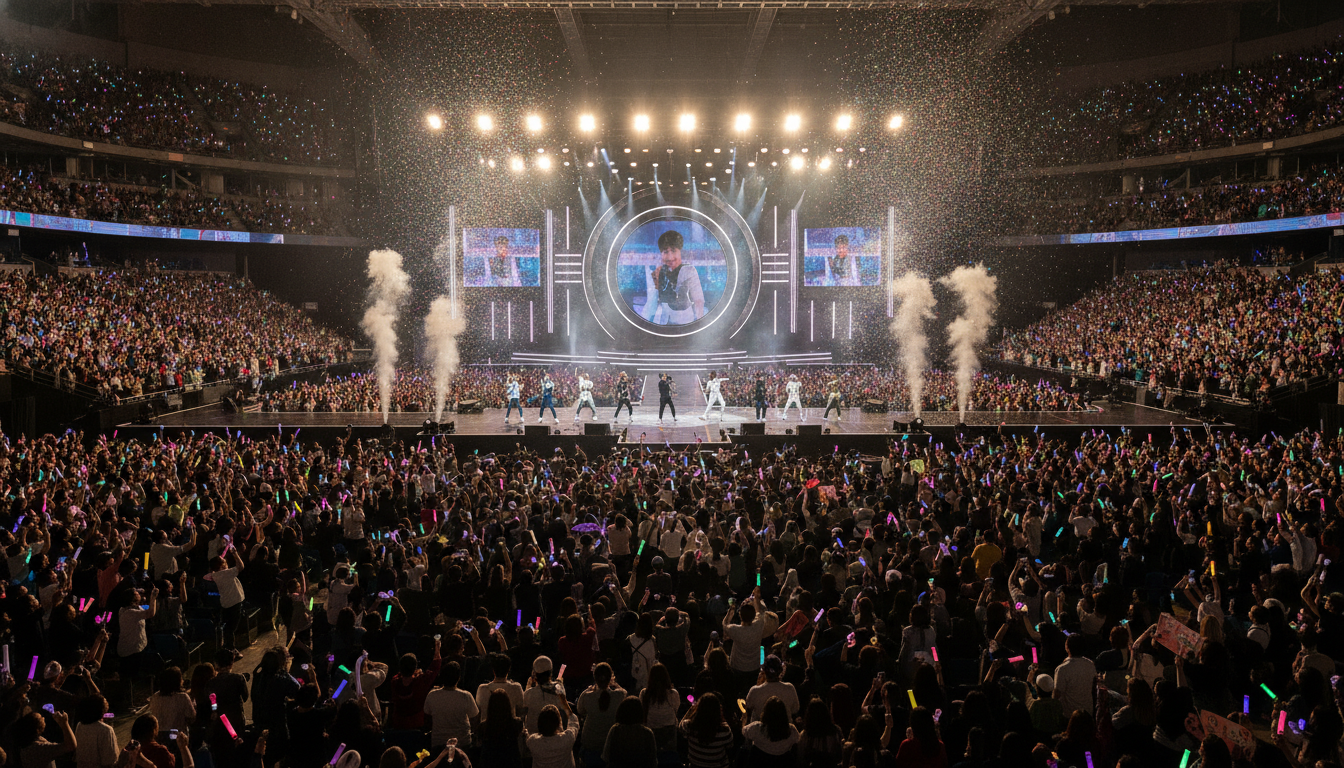
The stage is the heart of a K-pop concert, constantly evolving throughout the show. Designers use advanced technology to create memorable visuals and dynamic environments:
- LED screens and moving platforms provide shifting backdrops for each song.
- Augmented reality effects add fantasy elements during key moments.
- Lighting, pyrotechnics, and special effects are carefully timed with music and choreography.
Some shows feature stages that transform mid-performance to accommodate solos, group numbers, or unit acts. This versatility ensures that every segment is visually fresh and keeps fans engaged from start to finish.
Setlist Strategy: Balancing Hits and Surprises
Choosing the right setlist is crucial for a successful concert. K-pop groups typically blend their biggest hits with fan favorites, plus exclusive tracks or remixes:
- Solo stages spotlight individual members’ talents and personalities.
- Medleys and rearranged songs add new twists to well-known material.
- Live bands and orchestral arrangements are now common, giving performances extra depth.
Management works closely with the artists to create a setlist that flows emotionally and energetically, using ballads and high-energy songs to guide fans on a journey. Surprises, like unreleased songs or unexpected collaborations, create buzz and make each concert unique.
Costumes and Styling: Fashion Meets Performance
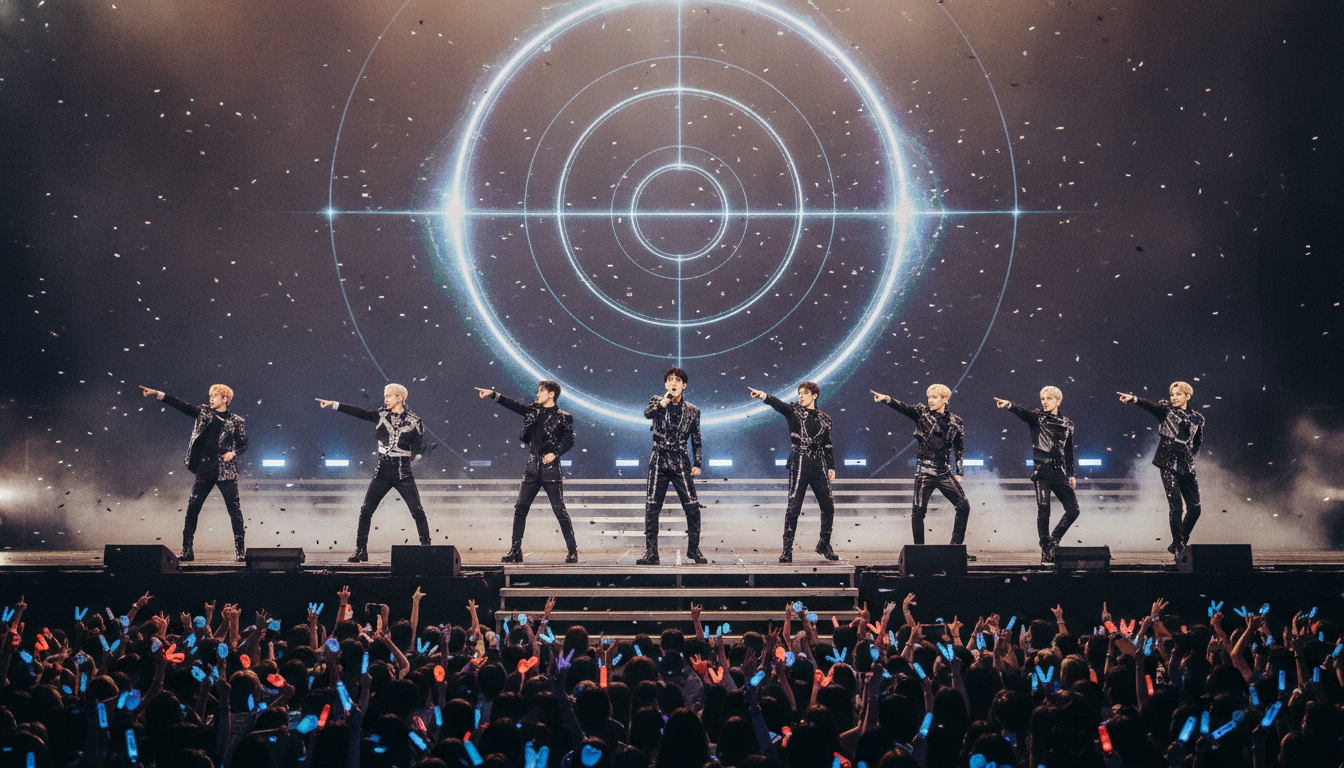
K-pop concerts are also a showcase for bold and creative fashion. Styling teams design multiple looks for each segment of the show, ensuring that costumes not only match the theme but also enhance dance movements and stage presence.
- Outfit changes between songs keep visuals fresh and dramatic.
- Accessories, hair, and makeup are coordinated to elevate each performance’s mood.
- Costumes are crafted for comfort and freedom of movement, crucial for complex choreography.
This meticulous attention to styling transforms the concert into a moving fashion runway, reinforcing the group’s identity and leaving memorable impressions.
Rehearsals: Perfecting the Performance
Months of rehearsals lead up to every K-pop concert. Choreographers, vocal coaches, and production staff work with idols to hone every aspect:
- Dance routines are practiced repeatedly for precision and stamina.
- Vocal training focuses on live singing under demanding conditions.
- Technical teams synchronize lighting, effects, and stage cues.
Technical rehearsals, or "dry runs," help identify and solve any issues before showtime. Dress rehearsals simulate the full concert, including costumes, props, and live audio. This rigorous preparation is essential, allowing idols to deliver seamless performances while interacting with fans.
Fan Engagement: Building Lasting Memories
Interactive moments are a hallmark of K-pop concerts. Groups and organizers prioritize fan engagement, creating shared experiences that go beyond music:
- Q&A sessions, games, and surprise appearances personalize the show.
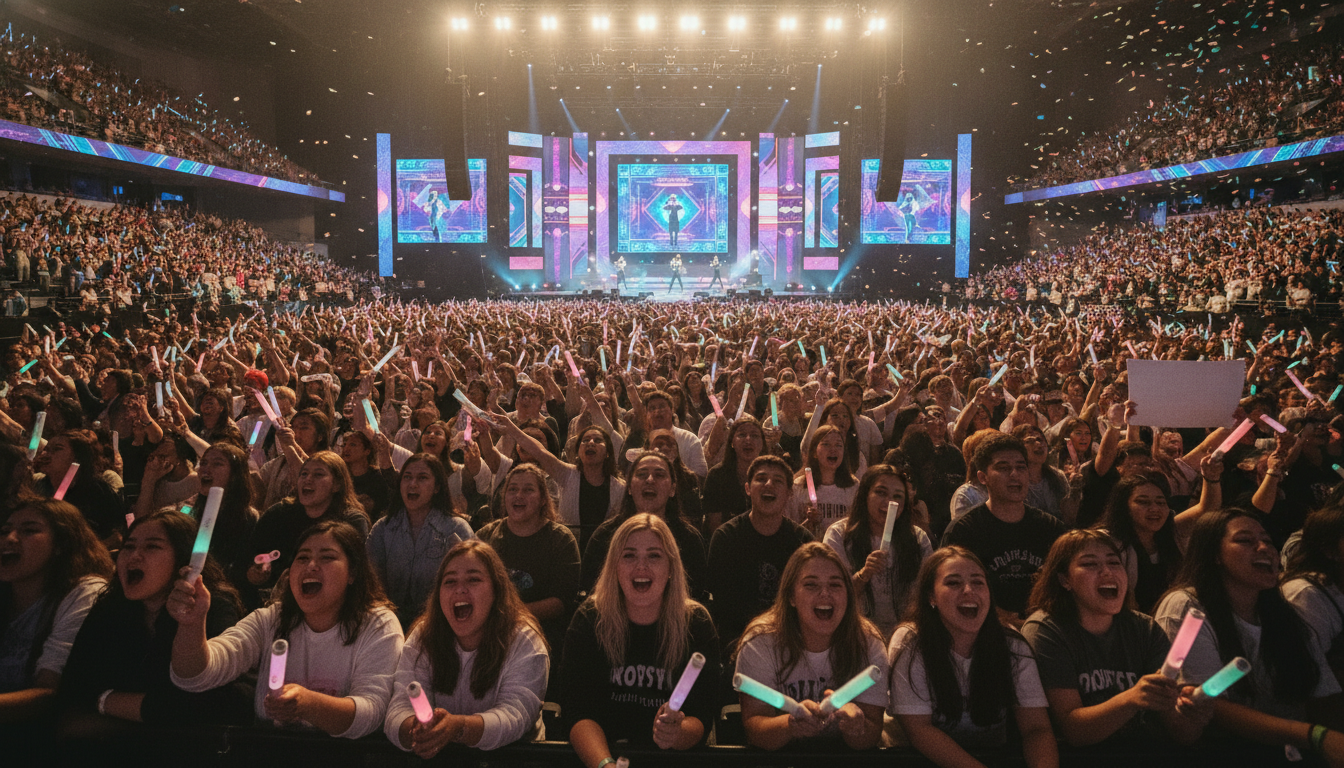
- Coordinated lightstick displays and fan project videos turn the audience into part of the spectacle.
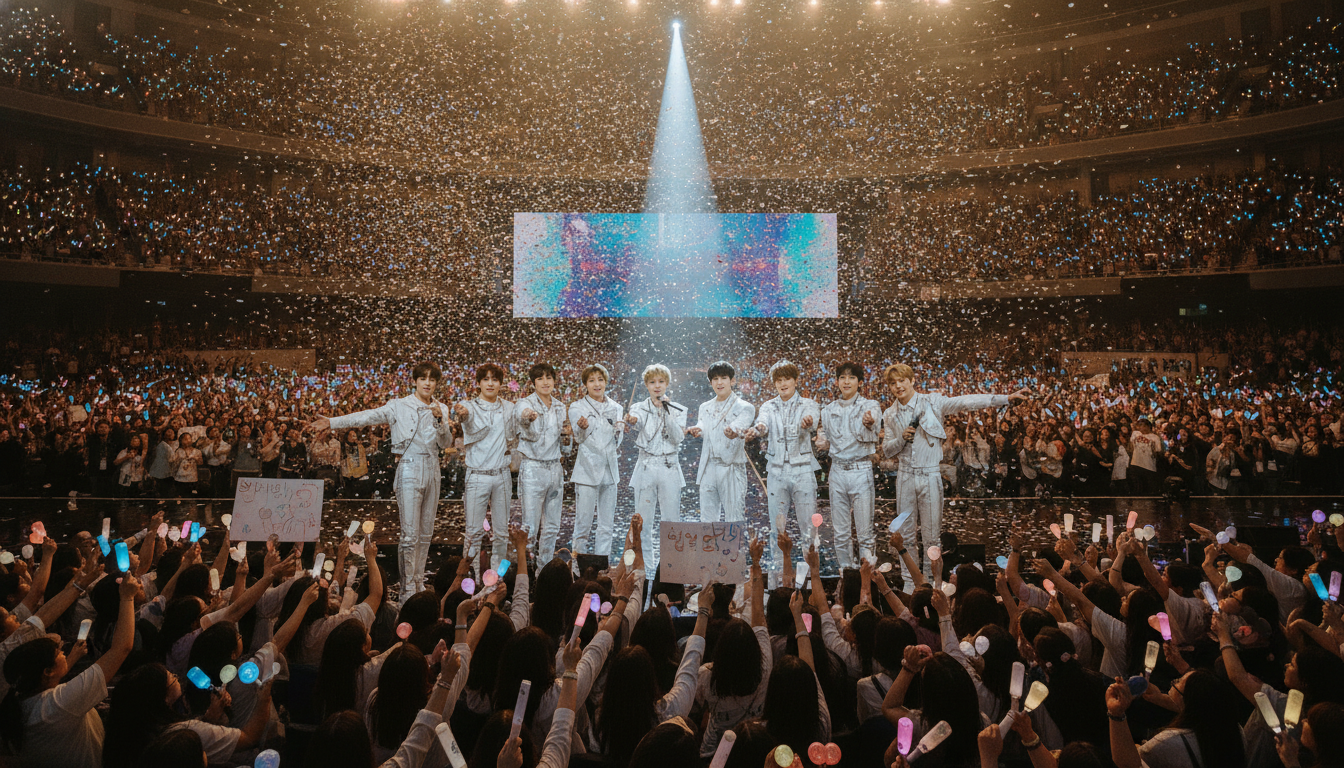
- Encore stages and heartfelt messages foster a sense of intimacy and community.
Some tours include hi-touch or photo events, allowing fans to meet idols and deepen their connection. These efforts help transform concerts into cherished memories for fans worldwide.
Global Touring: Logistics and Adaptation
Bringing K-pop concerts to international audiences requires careful planning and adaptation. Organizers face challenges such as:
- Coordinating travel, visas, and equipment shipping across multiple countries.
- Meeting venue requirements and adjusting to different regulations.
- Overcoming language barriers and integrating local cultural elements.
Production teams often customize shows for each city while maintaining consistency. Groups like BLACKPINK and Stray Kids have successfully sold out arenas worldwide, proving that K-pop’s global appeal and professionalism set new standards for touring.
K-pop Concerts as Cultural Events
K-pop concerts are more than just entertainment. They are key moments for fans, artists, and the industry, uniting communities and showcasing the creativity embedded in Korean pop culture. The meticulous planning behind each event highlights the dedication and innovation that keep K-pop at the forefront of live music.
As technology and artistry continue to push boundaries, K-pop concerts redefine what is possible in music production. Each show is a testament to the industry’s commitment to excellence and the shared passion between idols and their fans.
Whether you attend a K-pop concert in person or watch online, remember that every spectacular performance is the result of countless hours of teamwork and creativity. The artistry behind the scenes is as impressive as what happens on stage, making K-pop concerts a highlight for fans around the world.