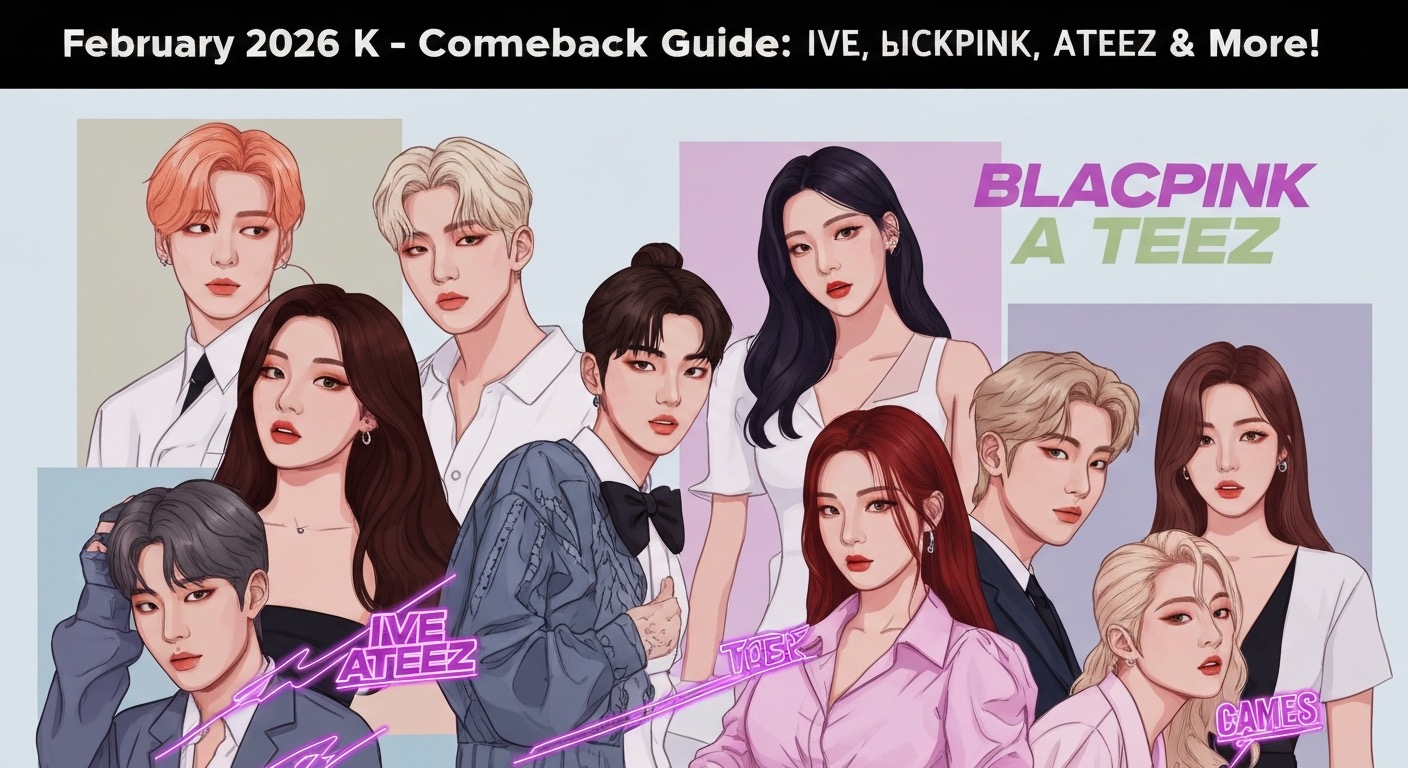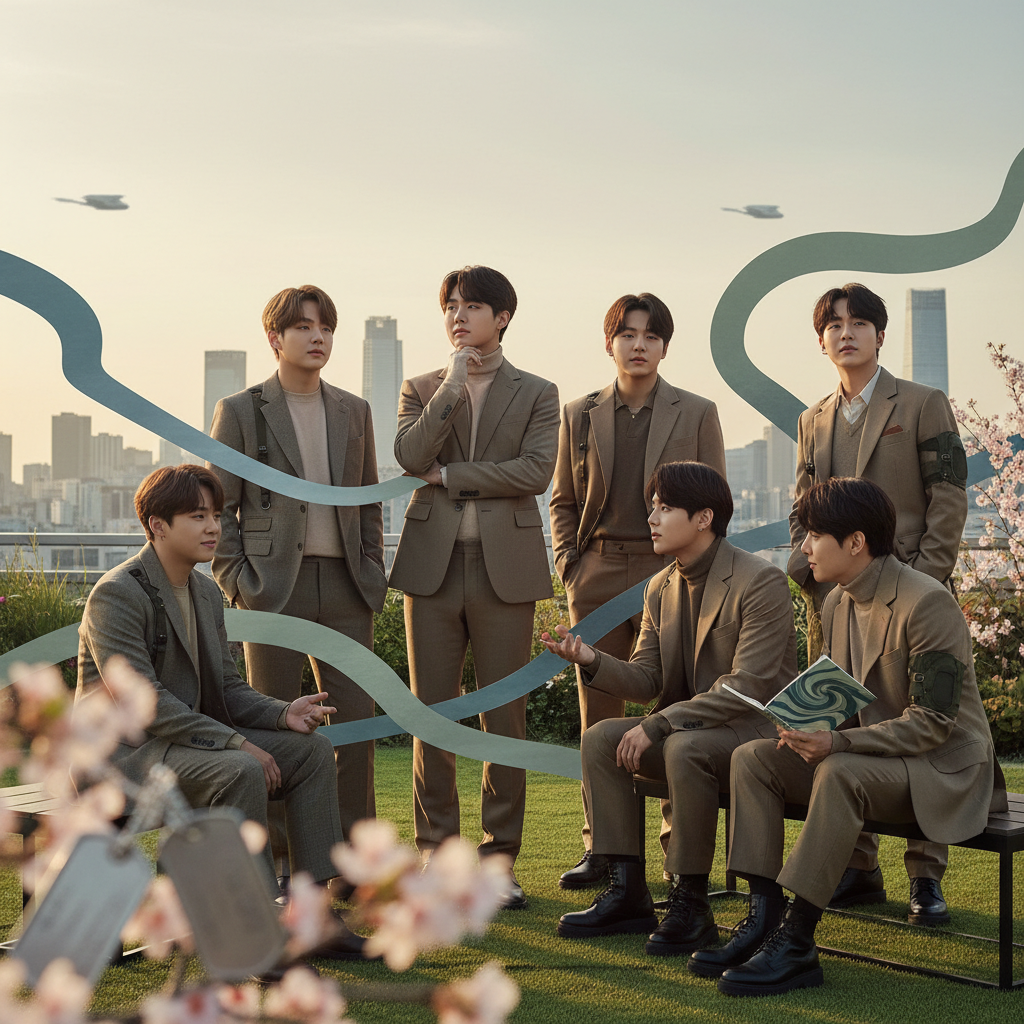
K-pop is no stranger to major moments, and March 2026 is delivering exactly that. BLACKPINK Rosé just picked up a BRIT Award, and BTS is getting ready for their first concert in four years. Unsurprisingly, fans are losing their minds—and the internet is absolutely buzzing with debate.
BLACKPINK Rosé’s BRITs Win Has Fans Fighting Over BTS
Rosé took home a BRIT Award this week, and her fans were quick to celebrate. But then a tweet went viral (Koreaboo picked it up), and things got messy. The take: Rosé's win—and other K-pop acts breaking through in the West—happened because BTS opened the door first.
People are divided. Some ARMYs are pointing to BTS's Billboard domination and Grammy nods as proof that they cleared the path for every Korean artist who came after. Others think this undersells Rosé's own voice and what BLACKPINK built independently. Head to X and you'll see #RoséBRITsWin and #BTSPavedTheWay trending side by side—fans aren't holding back.
Here's what's interesting: Rosé's win says something real about how far K-pop has come, but the BTS conversation isn't going away. Whether this changes how the industry talks about individual vs. group success remains to be seen.
BTS Comeback Concert: Seoul Is Freaking Out
Seoul is preparing for something massive. BTS plays their first concert since the hiatus on March 21, 2026, at Gwanghwamun—and the city is expecting up to 260,000 fans, per The Independent. That's a lot of people. The local museums are talking about shutting down temporarily. Some couples have actually moved their wedding dates to avoid the chaos. City officials and police are scrambling.
The big worry is crowd control. Gwanghwamun is a historic spot near Gyeongbokgung Palace, which makes it symbolically powerful but also a nightmare for logistics. Fans have already started camping out—because that's just what happens at big K-pop shows. The city is planning extra security, barricades, and maybe designated camping zones. They're also coordinating with organizers to post real-time updates so people don't all show up at once.
Why This Concert Matters Beyond the Music
This isn't just a concert. It's a moment. BTS has been on hiatus while members handled solo work and military service, but they've stayed huge globally. Coming back at Gwanghwamun—a location tied to Korean history—feels intentional. It's Korea's past meeting its current cultural dominance.
Fans are already guessing the setlist. Classic hits like Butter are a given, but people are hoping for new material that shows how the members grew during their time apart.
On the economic side, hotels, restaurants, and street vendors are going to make bank. International fans are booking flights. But the pressure on Seoul's infrastructure is real. Can they pull this off without serious problems? We'll find out.
What's Next for These Stars?
Rosé just got a major career boost. Does she drop solo music soon, or does BLACKPINK get back together for a group release? Fans are speculating hard. Meanwhile, there's talk of a BTS world tour—ARMYs are already budgeting for what could be another massive run. The fact that 260,000 people showed up for one event in Seoul tells you everything about their drawing power.
Both stories reveal something about how K-pop works: individual wins and group comebacks both ignite intense passion—and serious logistical headaches. March 2026 is already shaping up to be a pivotal month for the genre.
2026 Update
As of late March 2026, BTS's Gwanghwamun concert has come and gone—and by all accounts, it went smoother than many expected. Seoul's preparation paid off, with no major incidents reported. Rosé's post-BRITs momentum continues, with speculation building around potential solo releases. The debate over BTS's influence on Western K-pop success shows no signs of cooling down either.
Join the Conversation
What do you think about all this? Are you heading to Seoul for the BTS show, or watching from home? Drop your thoughts below—we'll keep you posted.