As we move through 2026, BTS continues to dominate not just music charts but also the global merchandise market. The seven-member group has transformed what was once simple fan memorabilia into a multi-billion dollar industry. From lightsticks to limited-edition clothing, BTS and their dedicated fanbase, ARMY, have changed how K-pop merchandise works fundamentally.
The Evolution of K-Pop Merchandise Through BTS
K-pop merchandise has changed dramatically from the days of basic posters and photocards. Early K-pop fans treasured albums and stickers, but BTS raised the bar with innovative, high-quality products that feel personal to fans. HYBE, the group's agency, has been instrumental in this shift—partnering with global brands and designers to create merchandise that actually reflects BTS' artistic identity.
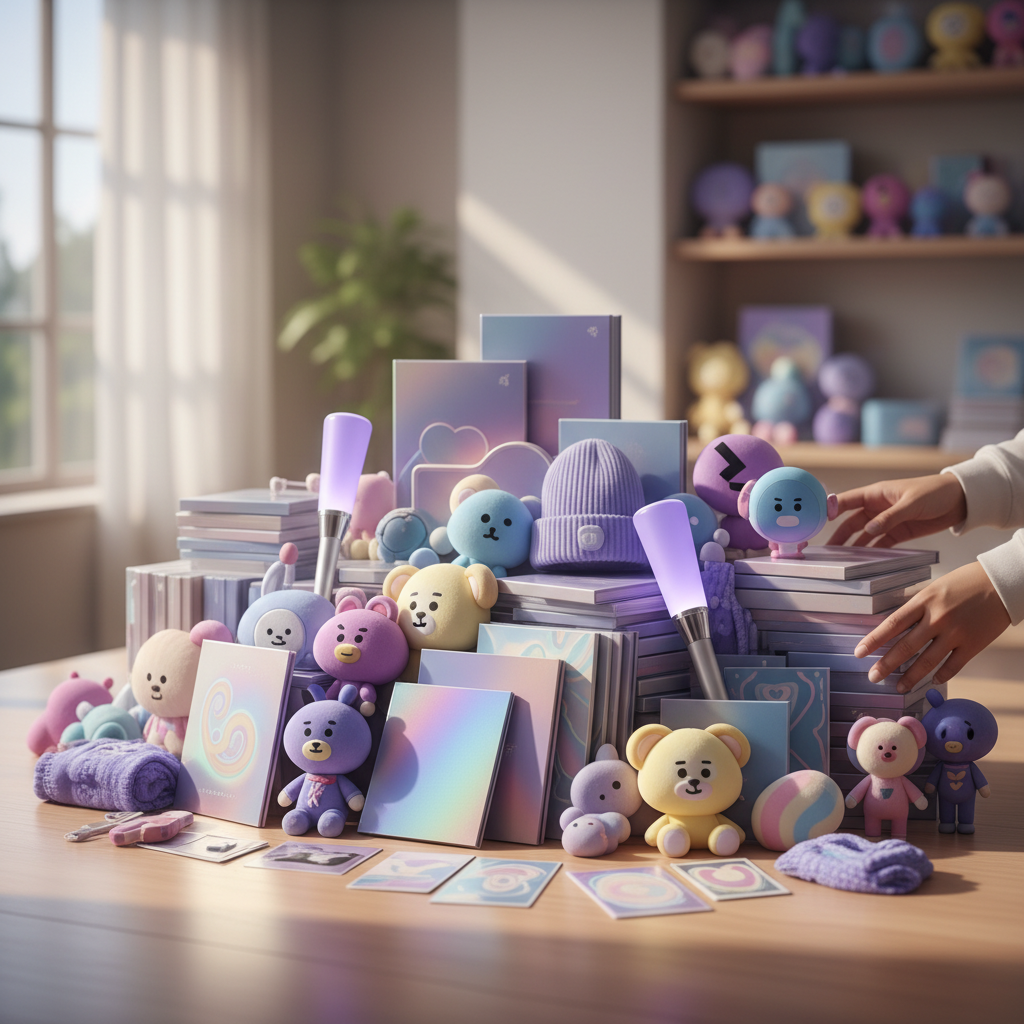
One standout example is BT21, a collaboration with LINE Friends launched in 2017. The BTS members themselves designed these characters, and the line became massive—plush toys, apparel, and accessories sold in pop-up stores worldwide. By 2026, BT21 still drops new collections every year, and fans still line up for them.
ARMYs: The Driving Force Behind Record-Breaking Sales
None of this merchandise success happens without ARMYs. The fanbase is notoriously dedicated—they'll queue for hours at pop-up stores or crash online shopping platforms the moment restocks drop. Every merch release turns into an event.
In 2026, BTS merch demand remains insane. Limited-edition items like concert-specific lightsticks or anniversary collections frequently resell for multiples of their original price. It's not just about owning something from BTS—it's about being part of a global community that celebrates the group together.
How BTS Merchandise Shapes Korean Pop Culture
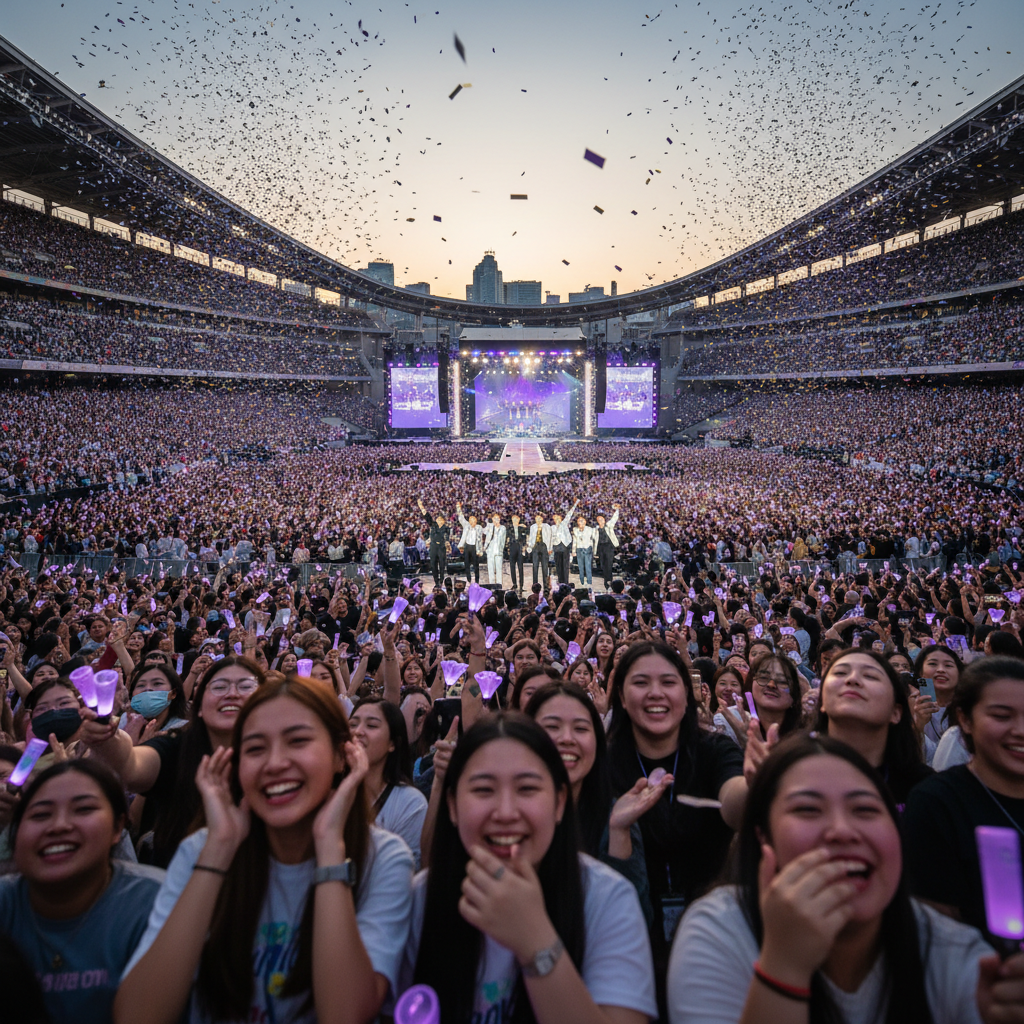
BTS merchandise has become a symbol of Korean pop culture's global reach. Lightsticks aren't just concert accessories anymore—they're symbols of fandom pride. The BTS ARMY Bomb, with its customizable features, pushed other K-pop groups to upgrade their own lightsticks. Now it's a standard part of K-pop culture.
The group's brand partnerships have also shifted perceptions. Collaborations with Samsung, McDonald's, and Louis Vuitton made K-pop idols into legitimate luxury ambassadors. Walking through high-end stores in 2026, you'll see BTS-inspired products next to designer items. This crossover appeal introduces Korean culture to new audiences—fans often start exploring Korean language, food, and traditions because of BTS.
The Economic Impact: A Multi-Billion Dollar Market
Industry estimates place the global K-pop merchandise market at over $5 billion in 2026, and BTS accounts for a substantial chunk of that. HYBE's strategy works because they offer something for every budget—affordable keychains alongside premium vinyl records. This range means more fans can participate, regardless of income.
Pop-up stores in Seoul, Tokyo, and New York draw massive crowds and boost local economies. In South Korea, BTS-themed cafes and photo spots have become legitimate tourist destinations. The ripple effect creates jobs in design, manufacturing, and retail—not just for HYBE, but for countless small businesses too.
Challenges and Controversies in the Merchandise Boom
The merchandise boom hasn't been without problems. Scalping and counterfeit products plague the market—fake items flood online marketplaces constantly. HYBE has introduced authenticity verification systems, but fans still need to be cautious and buy only from official channels.
Environmental concerns have also emerged. Mass-produced merchandise creates waste, and in 2026, both ARMYs and environmental advocates push for more sustainable practices. HYBE has started exploring eco-friendly materials for new collections—a shift I'm noticing across the broader K-pop industry as well.
What’s Next for BTS Merchandise in 2026?
The future looks interesting. There are rumors about AR/VR experiences tied to BTS products—imagine interacting with virtual versions of the members through your merch. That kind of tech could completely change how fans engage with physical products.
With BTS' influence still growing, more collaborations with global artists and brands seem likely. Whether it's fashion lines or limited-edition collectibles, BTS and ARMYs will keep pushing boundaries.
2026 Update
Since this article was originally drafted, BTS announced their 2026 world tour, which already has merch pre-orders breaking previous records. Additionally, HYBE's new authentication app has successfully reduced counterfeit sales by approximately 40% in its first three months—though resale prices for limited items continue to climb.
A Legacy Beyond Music
BTS turned merchandise into something more than products—it's a way for ARMYs to express their identity and connection to the group. As we move through 2026, BTS continues setting standards for the K-pop industry. Whether you're waving an ARMY Bomb at a concert or wearing a BT21 hoodie, you're part of a global movement that's changing what fan merchandise can be.