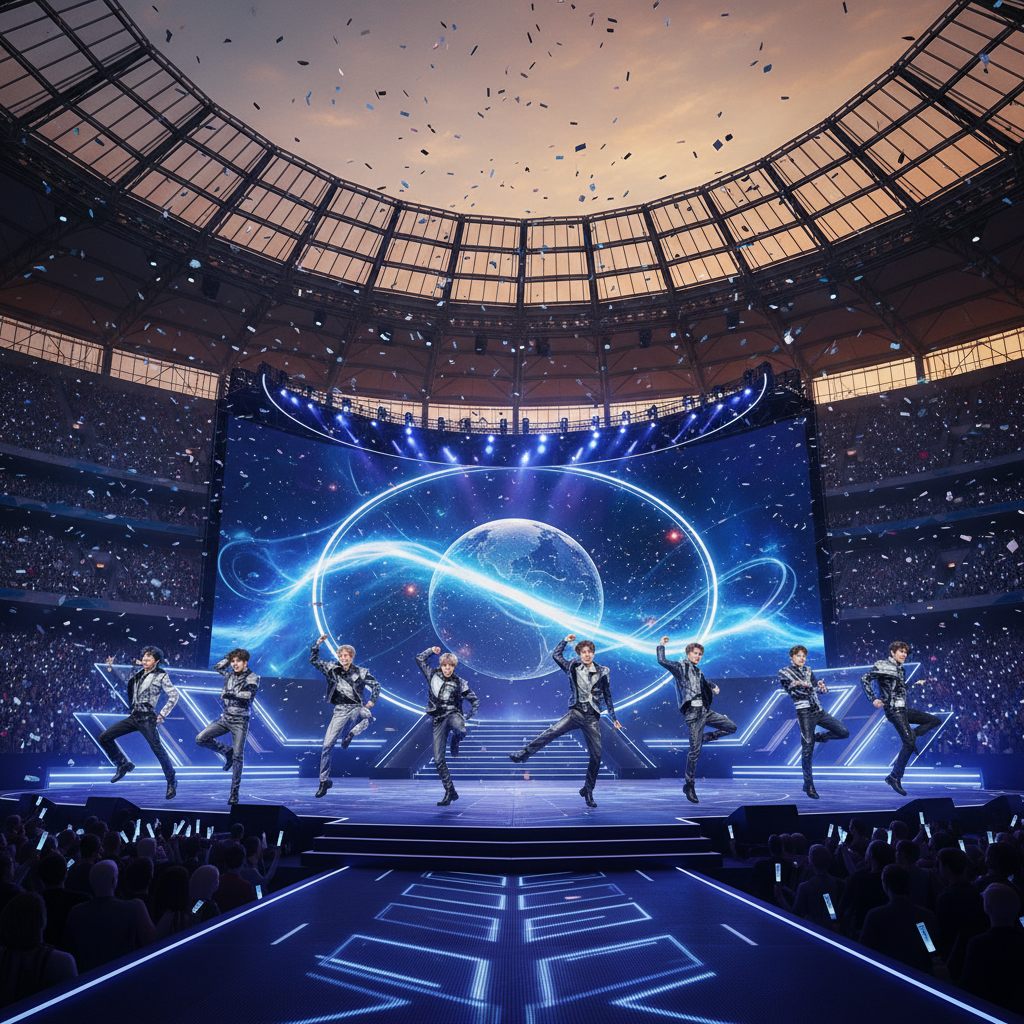
Looking at where K-pop stands in 2026, one thing keeps coming up in conversations with fans: what BTS' military service break actually did to the industry. When the group announced their enlistment plans in late 2022, the whole K-pop world had to figure out how to move forward without its biggest act. Now that several members are finishing up their service, it's worth examining how this period changed BTS, their fans, and the broader Korean music scene.
The Break That Changed Everything
When BTS—those seven guys who turned 'Dynamite' and 'Butter' into global hits—said they were heading to the military, the industry basically held its breath. South Korea requires all able-bodied men to serve 18-21 months, which meant the group would be gone as a full unit for a long time. Members like RM, SUGA, and Jungkook kept releasing music solo, but there's no denying the group dynamic was missing, and fans felt that gap.
Here's what happened while they were gone: new groups rushed into that space. Fourth and fifth-generation acts like NewJeans and LE SSERAFIM grabbed attention from global audiences. But here's the wild part—BTS' old songs kept streaming at incredibly high numbers. Years-old tracks were still racking up plays, which showed me just how loyal ARMY really is.
Solo Projects: Each Member Went Their Own Way
The hiatus gave BTS members a chance to work on their own stuff, and honestly, that's been one of the best outcomes. Before and during enlistment, fans got solo releases that showed just how versatile these guys are.
RM dropped 'Indigo,' which was deeply personal and introspective. SUGA came through as Agust D with raw, emotional work that hit different. Jungkook—the guy everyone calls the 'Golden Maknae'—blended pop and R&B in his solo tracks and honestly, it made people take him seriously as a standalone artist. Jimin and V went more ballad-heavy, earning praise from critics who appreciated the honesty in their work.
These projects kept the BTS name relevant while showing everyone that each member could stand on their own. That's not nothing.
What This Meant for K-Pop's Global Presence
BTS basically opened Western doors for K-Pop. They were the ones who got Korean music taken seriously in mainstream markets. When they went on hiatus as a group, people wondered if that momentum would hold.
Groups like Stray Kids and ATEEZ have done impressive work internationally, but here's what industry people tell me: nothing matches what BTS achieved. We're talking Billboard records, UN speeches, the whole thing. No one else has replicated that level of impact.
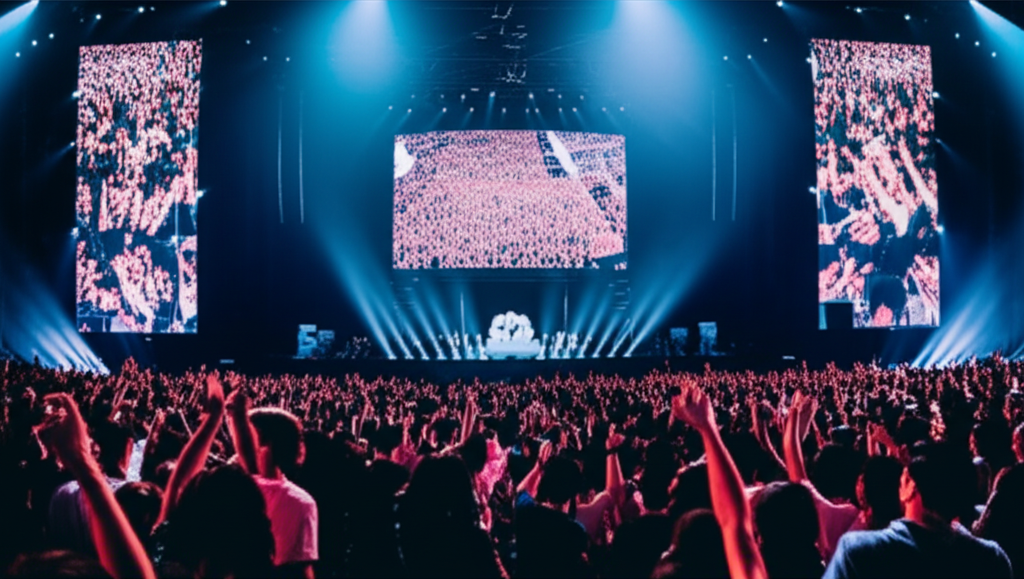
What really stood out during this period was how powerful K-Pop fandoms are. ARMY kept streaming, kept doing fan projects, kept trends alive on social media. It basically proved that a dedicated fanbase can keep an artist relevant even when they're not releasing anything for years.
Korean Pop Culture Shifted While They Were Away
BTS influenced more than just music. Their openness about mental health and self-love problems pushed other K-Pop idols to talk about their own struggles. That's a real change I noticed—artists now feel more comfortable being honest with fans about what's hard.
The industry also started paying more attention to sustainability and mental health for idols. Companies began building in better rest periods and counseling services. A lot of that came from growing public awareness about idol pressures—awareness that BTS helped create with songs like 'Black Swan' and 'Blue & Grey.'
What 2026 Holds for BTS
By early 2026, several BTS members are close to finishing military service, and fans are losing their minds with anticipation. Nothing's official yet, but HYBE has hinted at big things coming.
People in the industry think a new album or world tour could happen. If it does, it'll set new standards. The global music scene has changed a lot since 2022, so there's speculation BTS might experiment with new sounds, maybe collaborate with international artists, maybe go deeper into hip-hop or EDM. Whatever they do, it'll be huge.
2026 Update
As of mid-2026, Jimin and V have already completed their military service, with other members expected to finish by late 2026 or early 2027. The buzz around a potential full-group reunion has reached a fever pitch, with fans analyzing every social media post for clues. HYBE's stock has surged significantly as investors anticipate the comeback.
Why BTS Still Matters
The military break, while hard on fans, actually showed just how much impact BTS has. Other artists got room to grow, the members developed as solo performers, and ARMY's dedication was proven in ways that blew my mind.
As we wait for them to reunite, the K-Pop world is basically holding its breath. BTS coming back will be a massive moment.
For now, fans keep streaming, keep revisiting old concerts like the 'Love Yourself' tour, and keep the community alive. The bond between BTS and ARMY hasn't broken—it's just been waiting. What do you think BTS' return will bring to K-Pop? Drop your thoughts below!