K-pop Concerts: Beyond the Music
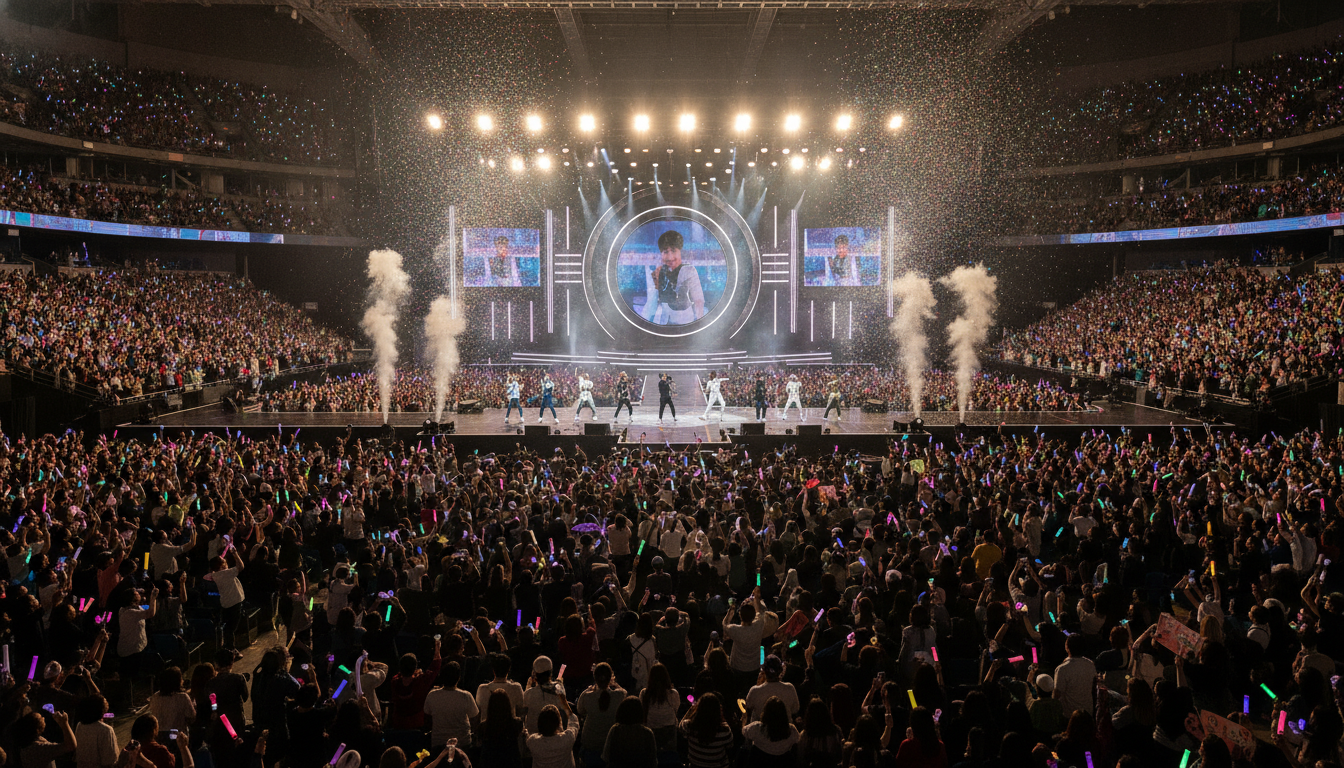
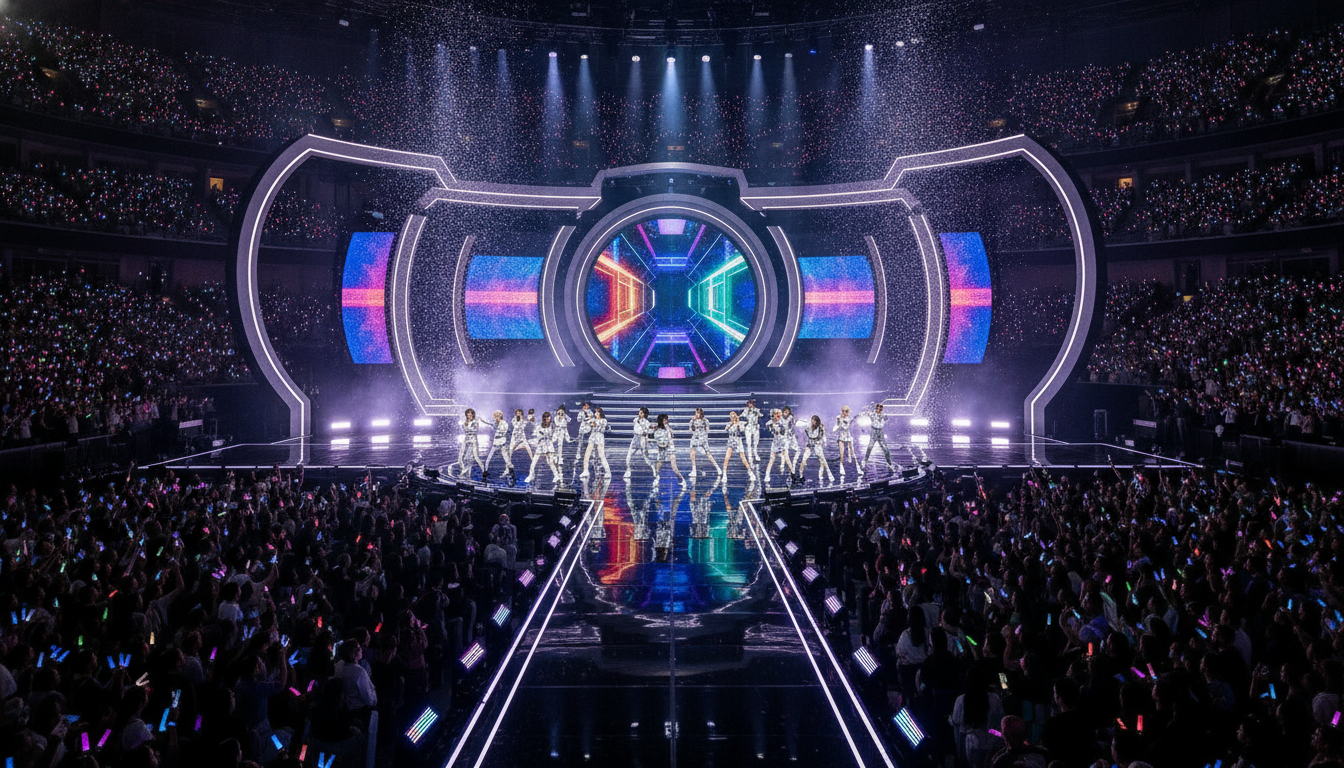
For fans across the globe, K-pop concerts are a highlight of the fandom experience. They are not only a showcase of music and talent, but also a dazzling blend of choreography, technology, and visual artistry. Over the past decade, stage design has become central to the K-pop concert experience, turning live performances into immersive spectacles. The stage is now a canvas for creative storytelling, brand identity, and fan engagement, making every show unforgettable.
From Seoul to Los Angeles, K-pop groups invest in elaborate stage setups that push the boundaries of live entertainment. Multi-level platforms, interactive LED screens, and kinetic installations allow artists to reinvent their performances for each tour and each audience. This evolving approach keeps fans excited and raises expectations for every new show.
The Evolution: From Simple Stages to Visual Masterpieces
In the early 2000s, K-pop concerts were modest events. Groups such as Shinhwa and TVXQ delivered powerful performances on basic stages with limited lighting. The focus remained on vocals and choreography, with little room for visual innovation. As the Hallyu wave expanded, concerts grew larger and more ambitious. By 2010, K-pop groups were touring internationally, demanding more creative stage designs to match their rising status.
Stage designers began to experiment with moving platforms, dramatic lighting, and special effects. As technology advanced, so did the possibilities. The introduction of massive LED screens transformed concerts by enabling real-time visuals that could synchronize with music and choreography. Groups like BTS and BLACKPINK raised the bar, integrating visual storytelling into their live shows. For example, BTS's “Love Yourself” tour featured animated sequences and lighting cues that reflected each song's mood and narrative, while BLACKPINK's “Born Pink” tour impressed fans with bold color schemes and dynamic stage layouts.
These visual elements became more than decoration - they enhanced the emotional impact of every performance. Whether transitioning from a sensitive ballad to an explosive dance track, the stage visuals helped set the tone and immerse fans in the story. Interactive screens displayed graphics and effects that responded to both the music and the artists' movements, deepening the sense of connection between performers and the audience.
High-Tech Innovations: AR, Motion Sensors, and 360-Degree Stages
Technological breakthroughs have taken K-pop concert stage design to new heights. Augmented reality (AR) is now a fixture at major concerts, enabling digital avatars and visual effects that interact with live performers. For instance, NCT's “Neo City” tour incorporated AR elements to create illusions of futuristic environments and digital characters alongside the group.
Motion sensors embedded in costumes and props allow artists to trigger visual effects directly through their movements. This added interactivity makes performances more dynamic and captivating. Many venues now feature 360-degree stages or rotating platforms, guaranteeing fans in every seat a unique perspective. This is especially important for stadium tours, where thousands of fans gather for a shared experience. Whether in Tokyo Dome, Seoul Olympic Stadium, or arenas in Europe and North America, audiences can expect high-quality, immersive visuals that transcend traditional concert setups.
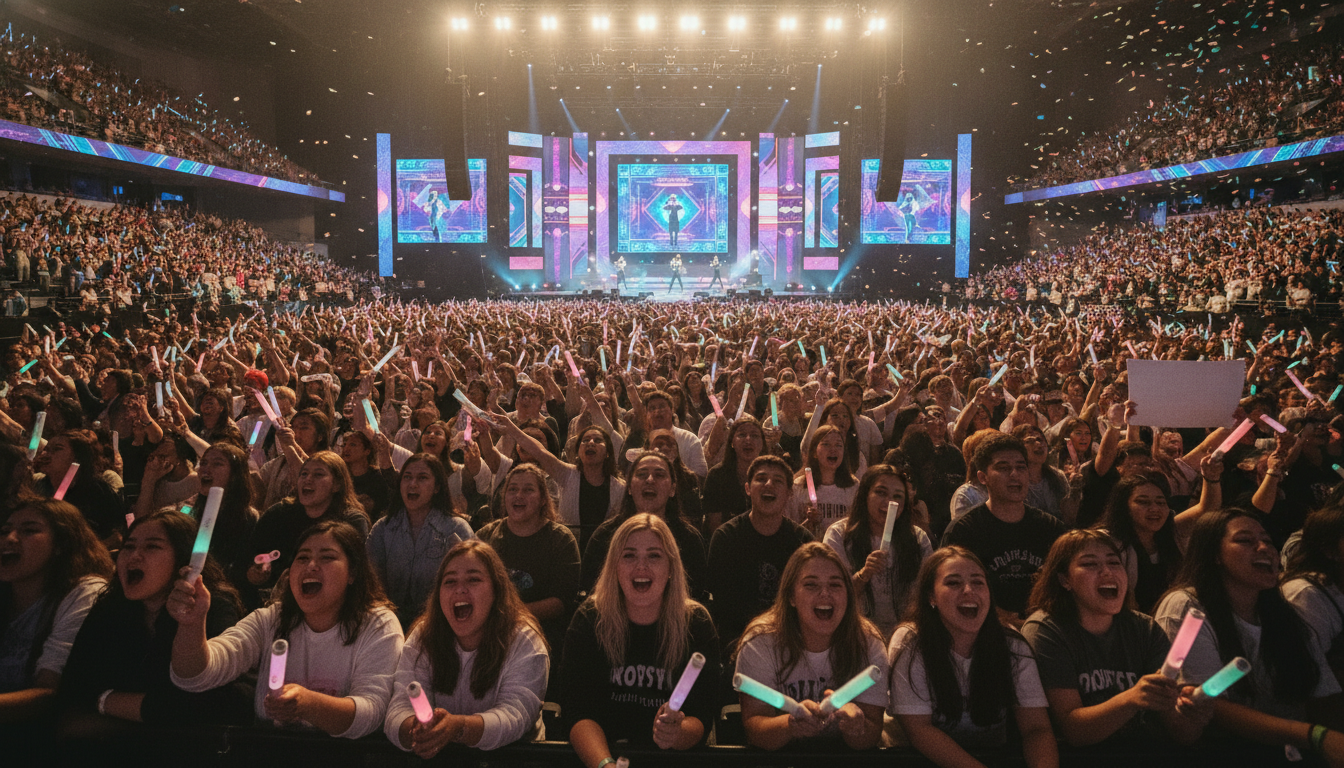
Lightsticks - an iconic aspect of K-pop culture - are also integrated into stage design. Official lightsticks for groups like TWICE and SEVENTEEN synchronize with the stage's lighting and visuals, forming waves, patterns, or messages throughout the show. Fans become active participants, waving their lightsticks in unison to create a sea of coordinated color. This collective energy blurs the line between performers and audience, elevating the concert to a shared celebration of fandom.
Creative Trends and Sustainability in K-pop Stage Design
As the industry grows, sustainability is becoming a bigger priority for concert producers. Many stage designers now use reusable materials, energy-efficient lighting, and modular sets to reduce waste. This shift allows for innovative storytelling while respecting environmental concerns. Minimalist layouts, kinetic sculptures, and unique art installations are gaining popularity - not only for their creative impact, but also for their efficiency.
A blend of modern technology and traditional Korean aesthetics is another emerging trend. Groups like IVE and LE SSERAFIM have incorporated motifs inspired by Korean art and architecture into their stage designs. These elements connect fans to Korean pop culture and emphasize the genre's roots while looking forward to the future.
Behind every show, dozens of collaborators - artists, choreographers, designers, and technical teams - work for months to perfect each detail. Color schemes, set movement, and audience interaction are meticulously rehearsed and adjusted. Documentaries from agencies like SM Entertainment and HYBE reveal the massive effort that goes into preparing these world-class concerts. Fans gain a new respect for the artistry and dedication behind their favorite live performances.
The Impact and Future of K-pop Concert Visuals
The rise of advanced stage design has fundamentally changed what fans expect from K-pop concerts. Audiences demand shows that are both visually stunning and emotionally engaging. This push for excellence has encouraged the industry to invest in creative talent and technology, setting new benchmarks for live music worldwide.
K-pop's approach to stage design reflects core values: performance excellence, deep fan connection, and cultural storytelling. As groups continue to tour internationally, their concerts serve as showcases for Korean creativity. Whether at home or abroad, fans leave with vivid memories of immersive, visually rich performances.
Looking ahead, the possibilities for stage design are expanding. Virtual reality concerts, AI-generated visuals, and interactive holograms may become mainstream in the coming years. Fans will continue to shape the experience, with interactive elements and fan-driven content further enhancing each show. The evolution of stage design ensures that every K-pop concert remains a celebration of music, visual artistry, and the innovation driving Korean pop culture forward.