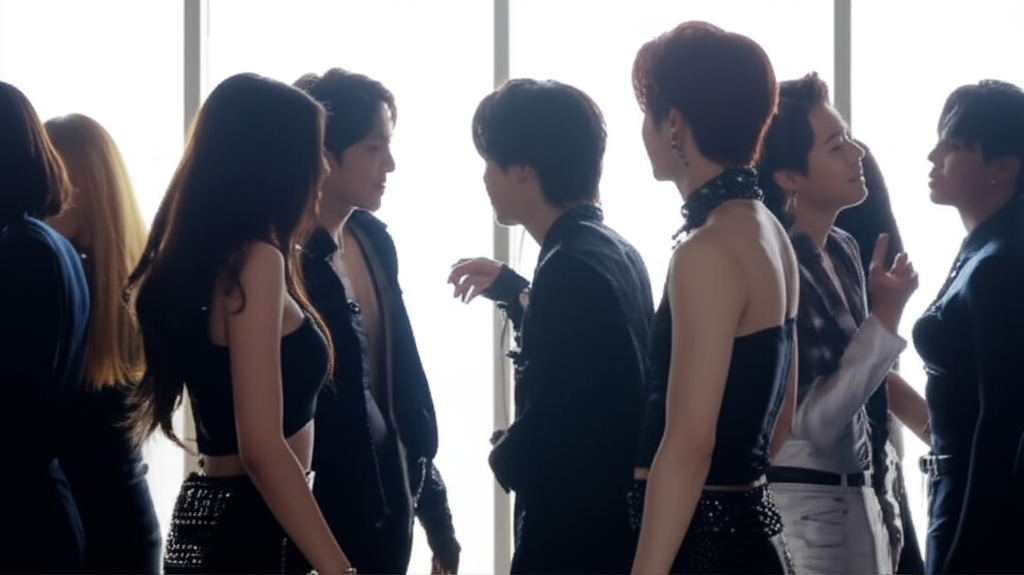
K-pop in 2026 looks quite different from what it was even a few years ago, and a lot of that change traces back to what BTS and BLACKPINK have been doing. These groups have consistently pushed Korean pop music in new directions, mixing genres in ways that grab attention worldwide and push other artists to try things differently. This article looks at how BTS and BLACKPINK are driving musical fusion, combining traditional K-pop elements with sounds from around the world to make tracks that connect with listeners everywhere.
The Roots of Genre Blending in K-pop
K-pop has always pulled from lots of different musical styles, mixing pop, hip-hop, R&B, and electronic music into its sound. By 2026, BTS and BLACKPINK have pushed this further by adding Latin rhythms, Afrobeat, and even classical orchestration to their tracks. This evolution goes beyond following trends; it's about building a shared language through music that crosses borders.
BTS started with hip-hop and R&B, but by 2026, they've moved into experimental territory. Their earlier work set the stage for more complex arrangements, and now they're blending jazz influences and indie rock vibes into recent projects. This keeps their music interesting and pushes fans to discover new sounds.
- More live instrumentation appearing in their recordings
- Working with producers from different parts of the world
- Using genre shifts within songs to tell stories
BLACKPINK built their name on pop-EDM fusion, but in 2026 they're going further by mixing in trap and alternative rock elements. This keeps their music feeling new and draws in both longtime fans and people just discovering them.
BTS: Pioneers of Versatile Soundscapes
BTS has become one of K-pop's most recognizable names internationally, and they've always focused on meaningful lyrics and emotional depth. In 2026, their music keeps changing, with fusion elements that show their flexibility. Their tracks now move between upbeat pop choruses and thoughtful ballad sections, creating emotional arcs that reflect real life.
A big part of how BTS approaches genre blending involves cultural elements. They draw from traditional Korean music and combine it with modern styles, creating a bridge between their heritage and what's happening now. This lets international listeners experience Korean culture through fresh sounds.
- BTS has blended synthwave with K-pop hooks in recent releases
- Live performances demonstrate these fusions and create stronger fan connections
- Newer K-pop artists cite BTS as inspiration to experiment more
This musical flexibility has helped BTS top charts worldwide, showing that genre blending can work both critically and commercially. Their influence shapes how other K-pop groups approach writing and producing songs.
BLACKPINK: Masters of Pop Innovation
BLACKPINK has established themselves with high-energy, anthemic hits. In 2026, they're evolving by adding reggae influences and experimental electronic beats to their recognizable style. This keeps their music at the front of K-pop, making each release feel like an event.
BLACKPINK's genre blending shows up in their strong vocal performances and dynamic dancing, which work well with the musical changes. Mixing pop with urban sounds creates tracks made for dancing but also touch on themes like empowerment and self-discovery.
- Using vocal effects to move between genres within a single track
- Styling and visuals that match their musical fusions
- Inspiring female-led groups in K-pop to express themselves more diversely
This approach has established BLACKPINK as trendsetters, showing the K-pop industry that women can lead genre innovations. Their work in 2026 continues to encourage a new generation of artists to break away from conventional approaches.
The Industry-Wide Ripple Effect
The genre blending that BTS and BLACKPINK pioneered affects the whole K-pop industry, not just their own music. In 2026, K-pop labels are putting more resources into diverse production teams, bringing in global collaborators. You can see this shift in emerging hybrid styles like K-hip-hop fusion and electro-K-pop, which are becoming common in new releases.
From a cultural angle, this evolution shows how K-pop functions in global exchange. By blending genres, BTS and BLACKPINK are putting Korean pop culture on an international stage, making it more reachable for wider audiences. This has sparked more interest in K-pop education, where emerging artists learn genre fusion as an essential skill.
- New production software in K-pop that supports genre blending
- Fan responses actually shape these musical experiments
- Economic gains for the Korean music industry through broader appeal
This trend is creating a more inclusive space within K-pop, where artists from different backgrounds can add their own influences. It's a reflection of how BTS and BLACKPINK drive change in the industry.
Looking Ahead: The Future of K-pop Genre Blending
As we move through 2026 and beyond, what BTS and BLACKPINK have done with genre blending will keep influencing new innovations. With technology playing a bigger role, we might see AI helping with genre fusions or virtual collaborations that push limits further. This continuous change keeps K-pop feeling like a dynamic force in global music.
2026 Update
Recent releases from both groups in early 2026 have shown even more ambitious genre experiments, with BTS collaborating with Western indie artists and BLACKPINK working with European electronic producers. These partnerships are raising questions about what K-pop will sound like in another five years, and whether the genre lines will become even more blurry.
BTS and BLACKPINK have shown that mixing different musical styles works in K-pop. By combining genres, they're not just entertaining audiences—they're expanding what Korean pop music can be. As fans look forward to what's coming next, the creative energy in K-pop clearly isn't slowing down.