K-Pop has grown far beyond just music — it's now a cultural force shaping fashion, technology, and how fans connect with their favorite artists. As we move through 2026, fan-driven merchandise is changing the way idols and fans interact, creating a billion-dollar industry built on creativity and community. This article explores the innovative ways K-Pop is leading merchandise trends, offering fans personalized experiences that go way beyond the old posters and keychains of the past.
The Evolution of K-Pop Merchandise: From Basic Goods to Fan-Centric Innovations
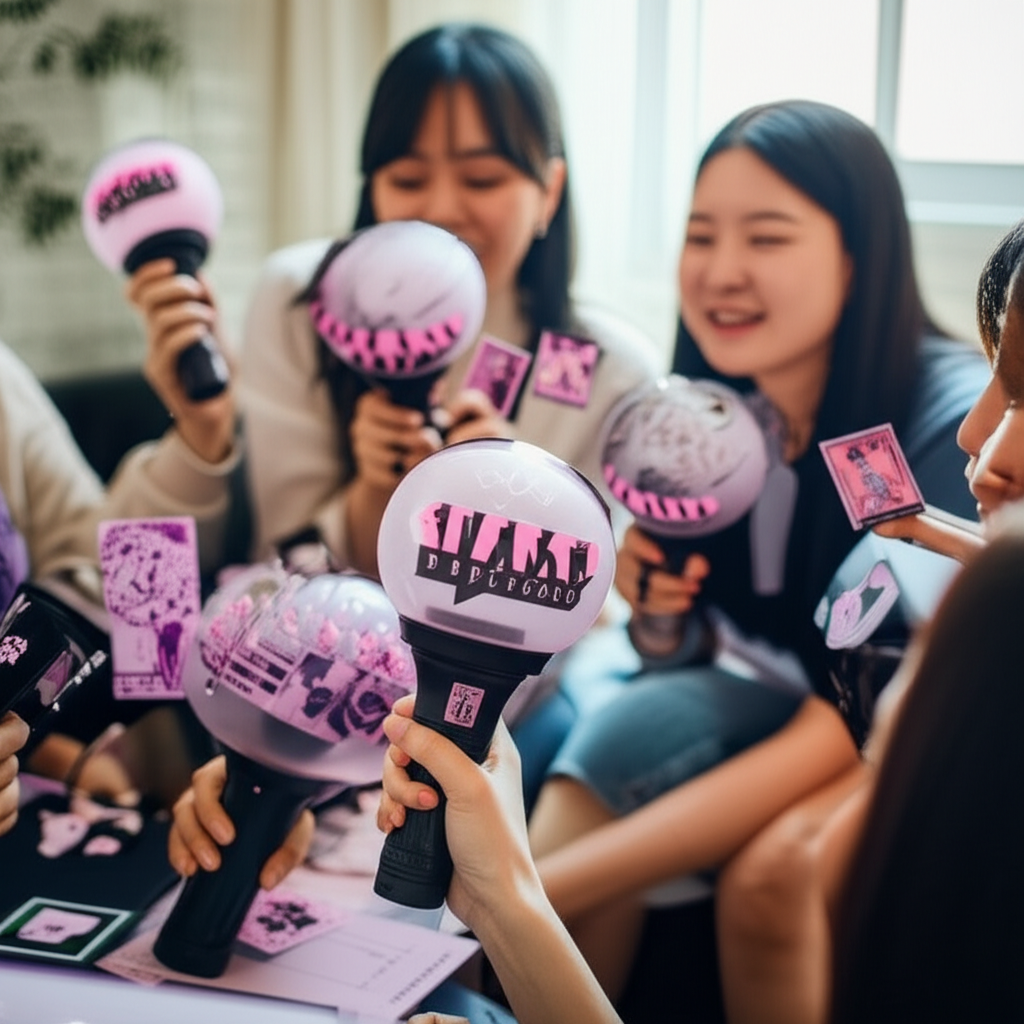
K-Pop merchandise has changed dramatically since the early days of simple posters and keychains. In 2026, the industry is seeing a major shift toward fan-driven designs, where fans play an active role in what gets created. Through online platforms, fans now collaborate directly with artists — voting on designs, submitting their own ideas, and watching those ideas turn into actual products. This participatory approach boosts fan loyalty while generating serious buzz on social media, with hashtags like #FanMadeKPop trending worldwide.
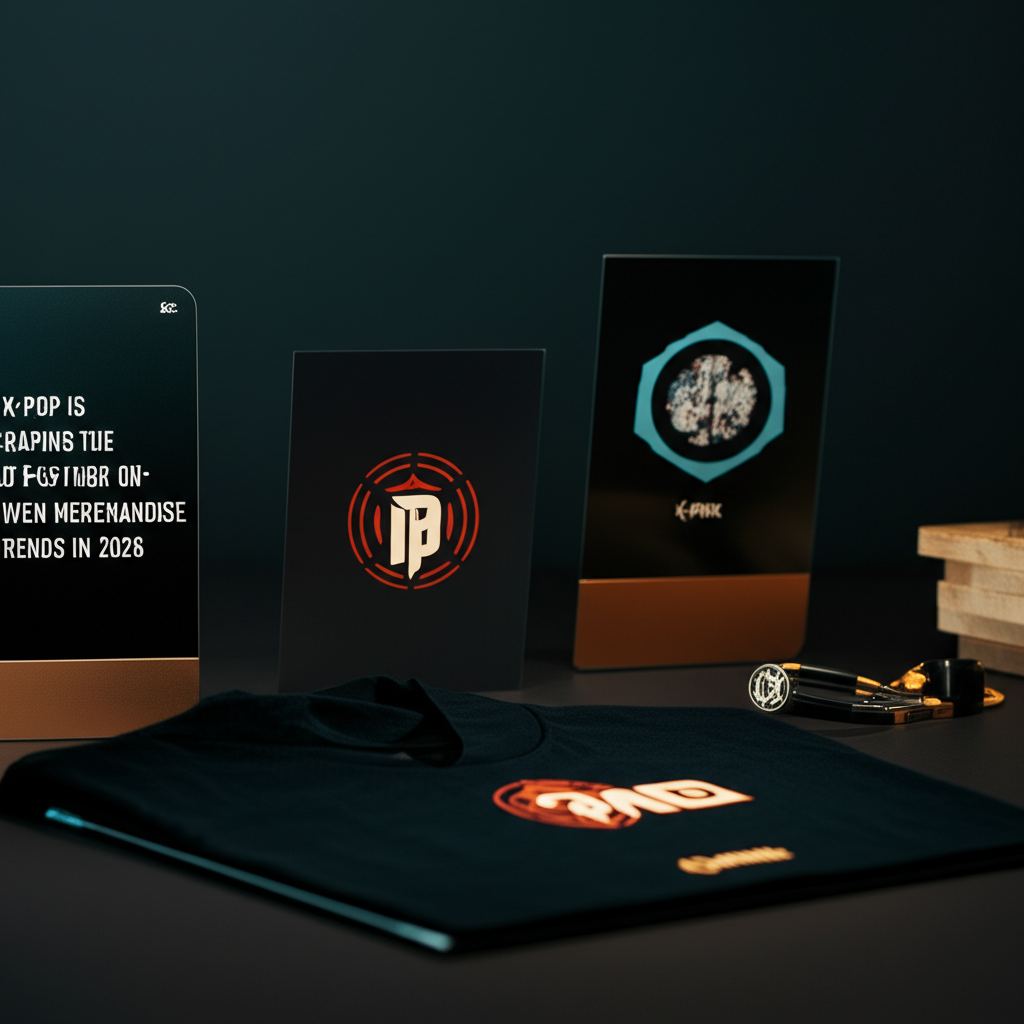
Merchandise sales for groups like SEVENTEEN and TWICE have jumped 150% in the past year, driven largely by customizable options. Here's what's interesting: AR-enhanced apparel lets fans scan QR codes on t-shirts to unlock exclusive content, blending physical items with digital experiences. K-Pop agencies are using technology to make merchandise more interactive and personal, and honestly, it's setting a new standard for the entire entertainment industry.
Key Drivers Behind the Fan-Driven Merchandise Boom
Several factors are fueling this trend. The pandemic sped up the move to online fandom, making virtual events and e-commerce crucial. By 2026, platforms like Weverse have added merchandise customization tools that allow real-time fan feedback and rapid prototyping. Even smaller fan communities can now influence product lines, which wasn't possible before.
Sustainability is another major driver. With environmental concerns growing, K-Pop idols are championing eco-friendly merchandise — biodegradable phone cases, recycled fabric clothing, that kind of thing. Fans increasingly want to buy from brands that match their values, and K-Pop groups are responding. When ITZY recently collaborated with a sustainable fashion brand, the limited-edition line sold out in hours. That tells you something about what fans are looking for.
- Personalization options, like monogrammed items or AI-generated designs based on fan preferences.
- NFT integration, where fans own digital versions of merchandise that unlock perks at concerts.
- Collaborations with global brands like Adidas or Nike to create crossover apparel.
- Limited-edition releases tied to comebacks, which create urgency and exclusivity.
These factors enhance fan engagement while giving idols additional revenue streams — something important in such a competitive music industry.
The Impact on Global Markets and Consumer Behavior
K-Pop's influence on merchandise is reshaping global markets, especially in North America and Europe where K-Pop fandom has exploded. In 2026, K-Pop-inspired merchandise makes up about 20% of youth apparel sales in the US, driven by social media influencers and viral challenges. This cross-cultural exchange is creating a new generation of consumers who value authenticity and community in what they buy.
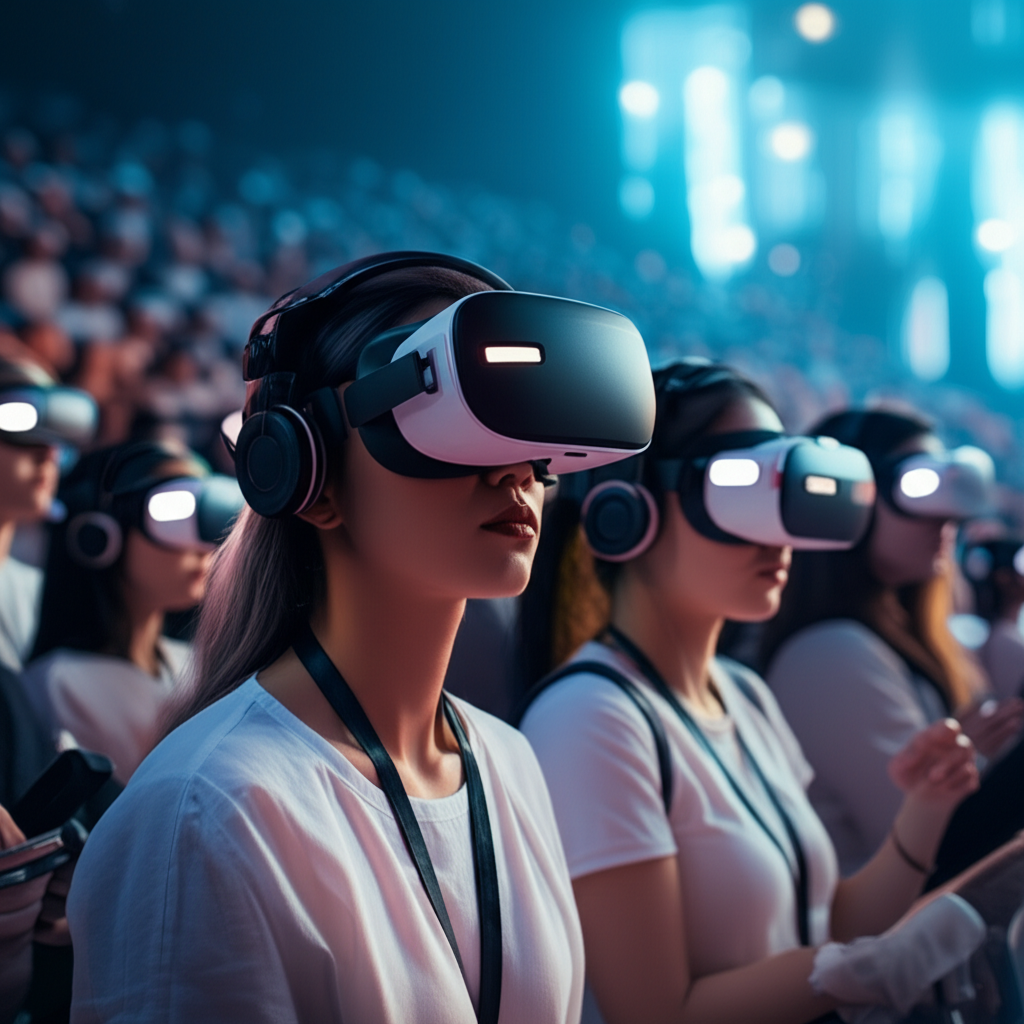
From a behavior standpoint, fans aren't passive buyers anymore — they're co-creators. You can see this in how merchandise is marketed: teaser campaigns and fan polls build anticipation weeks before release. The rise of virtual spaces like Roblox and The Sandbox has introduced digital merchandise too, where fans can wear K-Pop outfits in online worlds. The lines between physical and digital are blurring. Brands are responding by offering bundles that include both real items and virtual ones.
Challenges and Opportunities in the Fan-Driven Era
This boom brings challenges along with the excitement. Intellectual property issues come up when fan-submitted designs get close to copyright infringement, so agencies need clear guidelines. High demand for personalized items can strain supply chains, causing delays and frustrated fans. In 2026, these problems are being addressed with AI tools that speed up design approvals and production.
The opportunities are significant too. This trend is giving emerging artists and smaller labels a chance to compete with giants like HYBE or JYP. By focusing on niche fan communities, independent K-Pop acts can create exclusive merchandise that builds loyalty without huge marketing budgets. Industry analysts predict fan-driven merchandise could reach 40% of K-Pop revenue by 2027 — that's a serious potential as a sustainable business model.
- Innovative marketing strategies, like gamified shopping experiences within apps.
- Partnership with tech companies for augmented reality features in products.
- Educational initiatives teaching fans about sustainable practices in production.
- Global expansion into new markets, with pop-up stores in places like India and Africa.
2026 Update
Just in the past few months, several major K-Pop agencies have launched AI-powered design tools that let fans create custom merchandise in real-time, with some items shipping within two weeks. HYBE recently reported that fan-designed products now account for nearly 25% of their total merchandise revenue, up from 15% at the start of the year. This acceleration suggests the fan-driven model is only getting stronger.
Looking Ahead: What This Means for Fans and the Industry
As we continue through 2026, fan-driven merchandise in K-Pop is proving it's not just a passing trend. By giving fans a real voice in what gets created, K-Pop is strengthening its global appeal while setting new standards for other industries. Whether through sustainable designs, digital integrations, or new ways to participate, this evolution keeps the connection between idols and fans stronger than ever — and it points to a more interactive, inclusive future for entertainment.