K-pop in 2026 looks quite different from just a few years ago. February has arrived with new tools and techniques that are changing how music gets made in Korea, and honestly, it's getting interesting. This article breaks down what's actually happening in K-pop production right now—not the hype, just the facts.
How AI Is Showing Up in K-Pop Songwriting
AI has become a real part of the K-pop creative process. Producers are using algorithms to help generate melody ideas, suggest chord progressions, and even work through lyric options. Some newer labels are feeding their past hits into these systems to spot patterns—what worked, what audiences responded to, what might work again.
Here's what this looks like in practice: fourth-generation groups are experimenting with AI-generated demo tracks. The tools can simulate different vocal approaches or recommend harmonies based on data from successful songs. It's speeding things up, for sure. But nobody's pretending AI is writing the whole song. It's more like having a very fast co-writer who can spit out hundreds of ideas in minutes instead of hours.
Better Sound: Spatial Audio and Virtual Studios
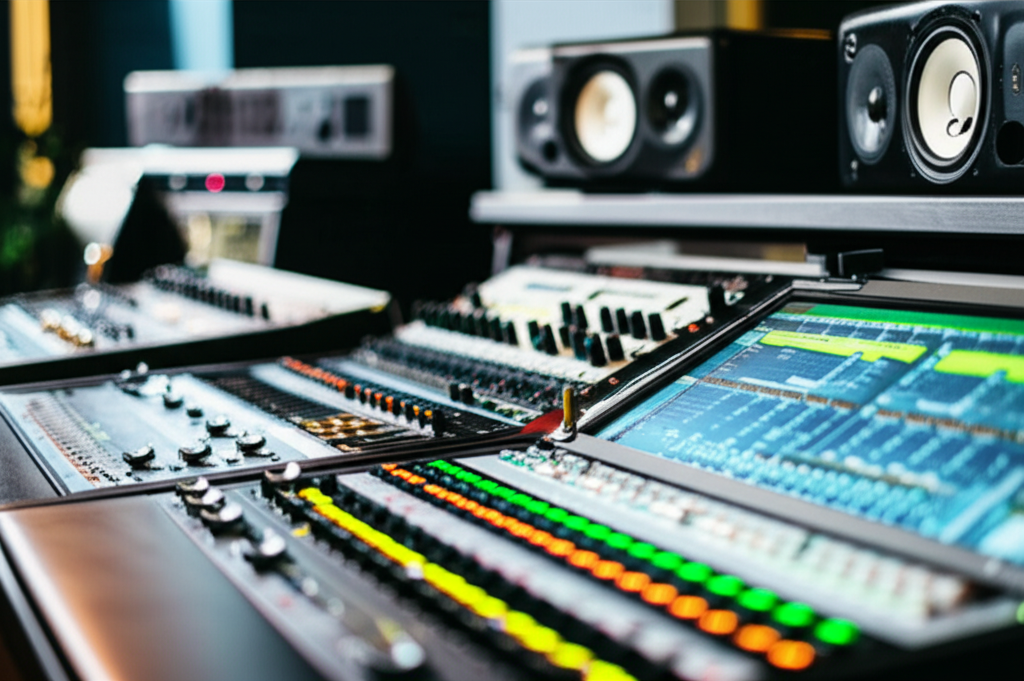
Audio engineering has jumped forward, particularly with spatial audio and Dolby Atmos. If you haven't heard music mixed this way, it creates a three-dimensional effect—you can pick up sounds moving around your head with headphones. In 2026, more K-pop albums are being mastered in these formats, and fans with good earbuds or proper systems are noticing the difference.
- Spatial Audio in Releases: Recent comebacks from several top groups feature tracks mixed in spatial audio, giving vocals and instruments more space and movement.
- Virtual Production Studios: Some Korean companies have built VR recording spaces where artists can perform in digital settings. This cuts down on physical set building and opens up visual possibilities that would be impossible in a real studio.
- Cloud Collaboration: Teams spread across Seoul, Los Angeles, and elsewhere can work on the same track in real time using cloud platforms. This became standard during the pandemic and has stuck around.
For international fans who can't easily access Korean physical albums, these audio improvements matter. The music simply sounds better streamed than it did a few years ago.
How K-Pop Artists Are Responding
Established groups are picking up these tools, but it's the newer acts that are building from the ground up with them. I find it telling that rookie groups now expect AI and spatial audio to be part of their debut process—it's just how music gets made now.
The interesting tension here is authenticity. Some fans worry that too much tech removes the human element. But what I'm seeing is that artists are using these tools to offload the tedious parts—endless demo revisions, technical mixing decisions—and spending more energy on performance and the actual artistic vision. That's probably a good trade-off.
Sustainability Gets Real in K-Pop
2026 has brought actual changes in how K-pop thinks about environmental impact—not just talk, but measurable shifts. Digital distribution is expanding rapidly because fans prefer the convenience and labels prefer the margins. Physical album waste has become a genuine conversation.
- Green Recording: Several major labels have moved to solar-powered studios or are offsetting energy use. Merchandise is increasingly coming from recyclable materials.
- Digital-Only Releases: A handful of artists have done exclusive digital drops. It's controversial with collectors, but it genuinely reduces carbon footprint.
- Fans and Sustainability: K-pop has always had environmentally conscious fans. Now labels are partnering with eco-organizations and weaving these themes into music videos and lyrics—sometimes effectively, sometimes as obvious PR.
This feels less like a trend and more like a permanent shift in how the industry operates.
What Problems Remain
Innovation brings headaches. Who owns AI-generated melodies? If an algorithm writes half your chorus, can you copyright it? These questions are being fought over in industry meetings right now. There's also the risk of becoming dependent on tools that might plateau or change direction.
On the flip side, smaller agencies finally have access to production quality that was previously only available to the big three. The playing field is leveling out, which means more diverse sounds reaching fans. That's genuinely exciting for the music itself.
K-Pop's Growing Global Footprint
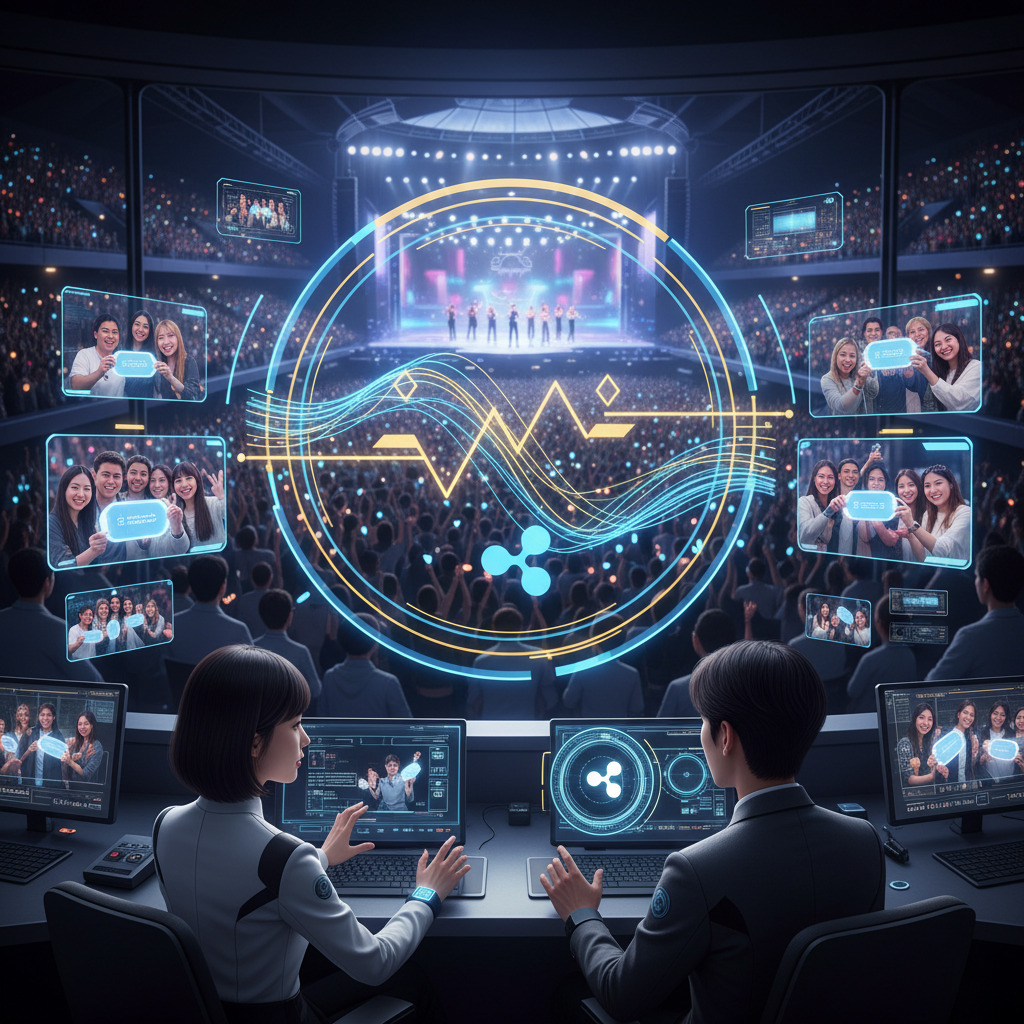
These production advances are helping K-pop reach people in new ways. Language barriers are softening through interactive apps, real-time translation features during virtual fan meetings, and music that works regardless of whether you understand the lyrics. The sound quality improvements matter for this too—good audio translates across cultures.
All of this points to K-pop becoming less of a niche and more of a standard-bearer for how pop music gets made globally.
2026 Update
Just in the past few months, a major K-pop label announced a partnership with a Silicon Valley AI startup to develop proprietary music generation tools specifically trained on Korean pop catalog. This could accelerate adoption significantly. Meanwhile, two top-tier groups have already recorded full albums in VR studios, with results that fans say feel "more immersive" than traditional filming.
The next twelve months will show whether these technologies become industry standard or remain experimental. For now, K-pop continues to evolve at a pace that keeps even casual observers paying attention.