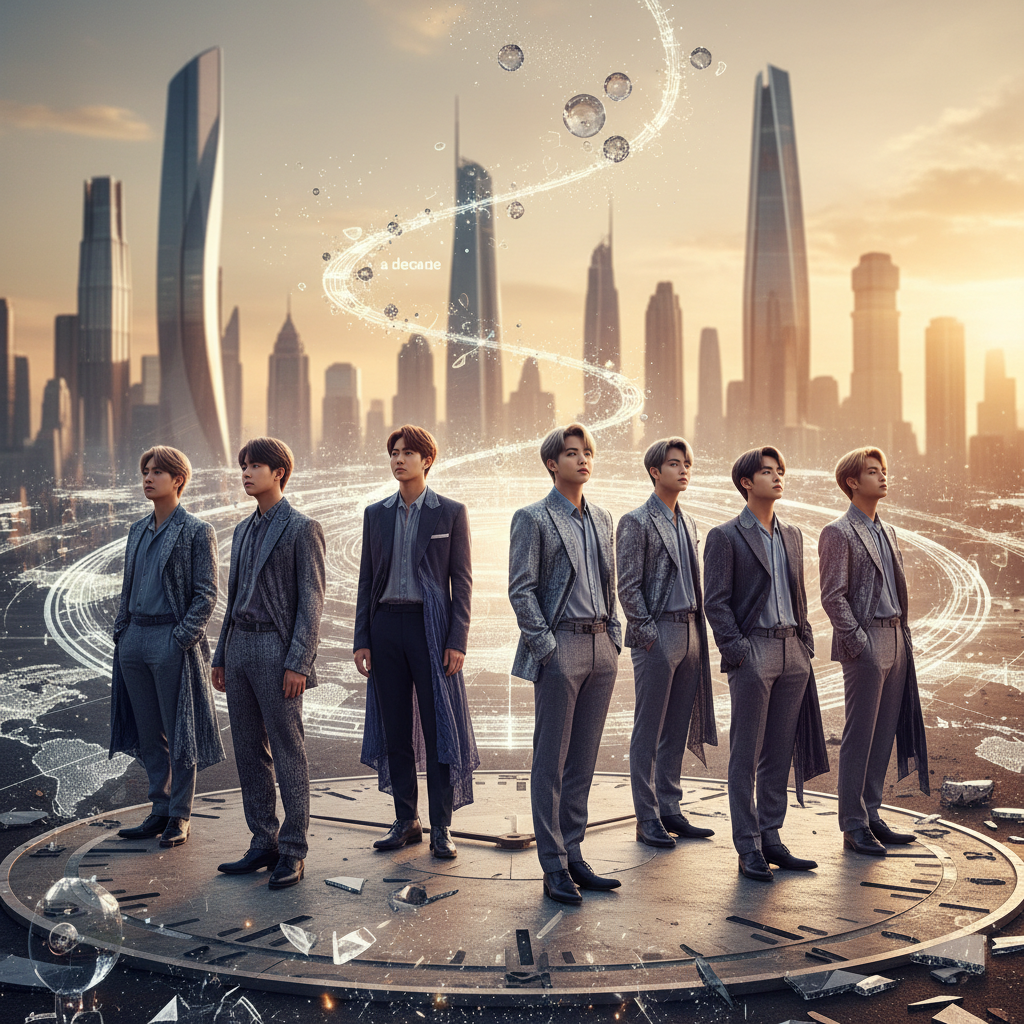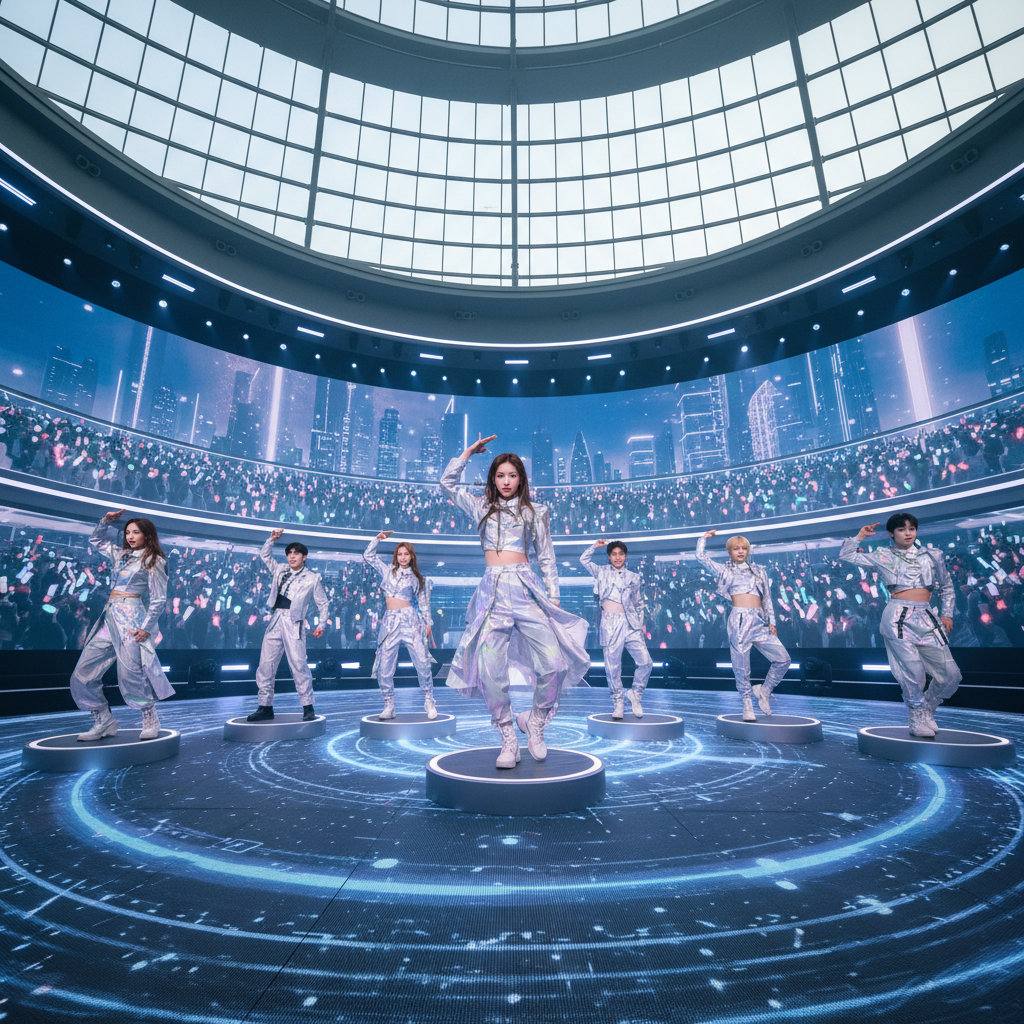
As we move through 2026, the K-pop industry keeps changing, with new talents emerging and reshaping the global music scene. While established giants like BTS and BLACKPINK remain cultural powerhouses, a fresh wave of rookie groups is making waves, bringing innovative sounds, bold concepts, and strong energy to the forefront. In this article, I look at how these new idols are changing K-pop and what their rise means for the future of Korean pop culture.
The Rise of Rookie Groups in 2026
The K-pop industry has always been a training ground for talent, with agencies like SM Entertainment, JYP Entertainment, and HYBE constantly scouting and training the next big thing. In 2026, several rookie groups have captured the attention of fans worldwide, proving that they're not just here to follow trends but to set them. These groups are experimenting with genre-bending music, visually striking aesthetics, and narratives that resonate with Gen Z and beyond.
One standout rookie group this year is LUNARIS, a five-member girl group under a mid-tier agency that debuted in early 2026. Their debut single, "Eclipse," blended trap beats with traditional Korean instrumentation, earning them a spot on global charts within weeks. Their concept, which revolves around celestial mythology, has fans hooked, with elaborate music videos that rival even veteran acts. LUNARIS represents a growing trend among rookies: a focus on storytelling that goes beyond typical love themes to explore deeper, more imaginative narratives.
Breaking Barriers with Unique Sounds
Another rookie group turning heads in 2026 is NEON VOLT, a seven-member boy group known for their electric, punk-inspired sound. Unlike many K-pop acts that stick to polished pop or hip-hop, NEON VOLT incorporates raw guitar riffs and industrial beats, drawing comparisons to early 2000s rock while maintaining K-pop's signature choreography. Their debut album, "Shockwave," has already garnered millions of streams, and their unapologetic attitude is refreshing in an industry often bound by perfectionist standards.
What sets these rookies apart is their willingness to take risks. In an era where K-pop is often criticized for formulaic content, groups like NEON VOLT are pushing boundaries, proving that the genre can encompass a wider range of musical influences. This experimentation is also evident in how they engage with fans through candid social media interactions and behind-the-scenes content that feels more authentic than curated.
The Impact of Social Media and Global Fandoms
Social media continues to be a game-changer for K-pop in 2026, especially for rookie groups. Platforms like TikTok, Instagram, and YouTube allow these new acts to reach international audiences without the traditional barriers of language or geography. For instance, CRYSTALIX, a co-ed rookie group, gained viral fame after a dance challenge for their debut track "Prism" exploded on TikTok. Within days, fans from Brazil to Japan were recreating the choreography, propelling the song to the top of trending lists.
This instant global reach has changed how success is measured in K-pop. While album sales and music show wins remain important, streaming numbers and social media engagement are now key indicators of a group's potential. Rookie groups are using this digital landscape to build dedicated fandoms, often before they've even held their first concert.
Challenges Faced by New Idols in 2026
Despite their early successes, rookie groups in 2026 face significant challenges. The K-pop industry is notoriously competitive, with hundreds of debuts each year vying for attention. For every LUNARIS or NEON VOLT, there are dozens of groups struggling to break through. The pressure to deliver hit after hit can be overwhelming, especially for idols who are often teenagers or in their early twenties.
Moreover, the industry's intense focus on image and perfection leaves little room for error. Scandals, even minor ones, can derail a promising career overnight. Rookie groups must navigate this high-stakes environment while maintaining their mental health, a topic that has gained more attention in K-pop thanks to advocacy from senior artists like BTS. Agencies are slowly adapting, with some providing better support systems, but the road to stardom remains grueling.
What This Means for the Future of K-Pop
The emergence of these rookie groups signals an exciting shift in K-pop's trajectory. As they blend traditional elements of the genre with fresh, innovative ideas, they're expanding what K-pop can be. This evolution is important for the industry's longevity, ensuring it doesn't stagnate amid global competition from other music markets.
Additionally, the success of these new acts highlights the growing diversity within K-pop. Many rookie groups feature members from different countries, reflecting the genre's global appeal. This inclusivity not only broadens their fanbase but also brings unique cultural perspectives into their music and performances, enriching Korean pop culture as a whole.
For fans, the rise of these rookies offers a chance to witness the birth of new legends. While BTS and BLACKPINK continue to dominate headlines with their major achievements, groups like LUNARIS, NEON VOLT, and CRYSTALIX are laying the groundwork for the next decade of K-pop. Their bold creativity and digital savviness are proof that the industry is in good hands.
Conclusion: A New Era of K-Pop
As we look at the K-pop landscape in 2026, it's clear that rookie groups are not just following in the footsteps of their predecessors, they're carving their own paths. With unique sounds, compelling concepts, and a mastery of social media, these new idols are redefining what it means to be a K-pop star. Whether you're a longtime fan or a newcomer to the genre, there's never been a more exciting time to dive into the world of Korean pop music. Keep an eye on these rising stars; they might just be the future faces of K-pop on the global stage.
2026 Update
As of mid-2026, LUNARIS has secured their first music show win, and NEON VOLT's sophomore album is trending in the top 10 across multiple international Spotify charts. The industry's experiment with AI-assisted choreography tools has also sparked debate among these rookie groups, with some embracing the technology and others sticking to traditional performance methods.