Introduction to Solana’s Role in K-Pop’s Digital Evolution
As the K-pop industry continues to dominate global music charts in 2026, innovative technologies are shaping how fans interact with their favorite artists. One such groundbreaking development is the integration of Solana, a high-speed blockchain platform, into the K-pop ecosystem. Known for its scalability and low transaction costs, Solana is revolutionizing various aspects of the industry. Today, we’re diving into how Solana is transforming album sales through blockchain-based authentication, ensuring transparency and exclusivity for K-pop fans worldwide.
Why Album Sales Matter in K-Pop Culture
In K-pop, physical and digital album sales are more than just numbers on a chart—they’re a cultural phenomenon. Fans of groups like BTS, BLACKPINK, and Stray Kids often purchase multiple copies of albums to support their idols, collect limited-edition photocards, or participate in fansign events. However, issues like counterfeit products and unauthorized resales have long plagued the industry, leaving fans frustrated and artists losing potential revenue. This is where Solana steps in, offering a tech-driven solution to authenticate purchases and protect both fans and artists.
How Solana’s Blockchain Authentication Works for K-Pop Albums
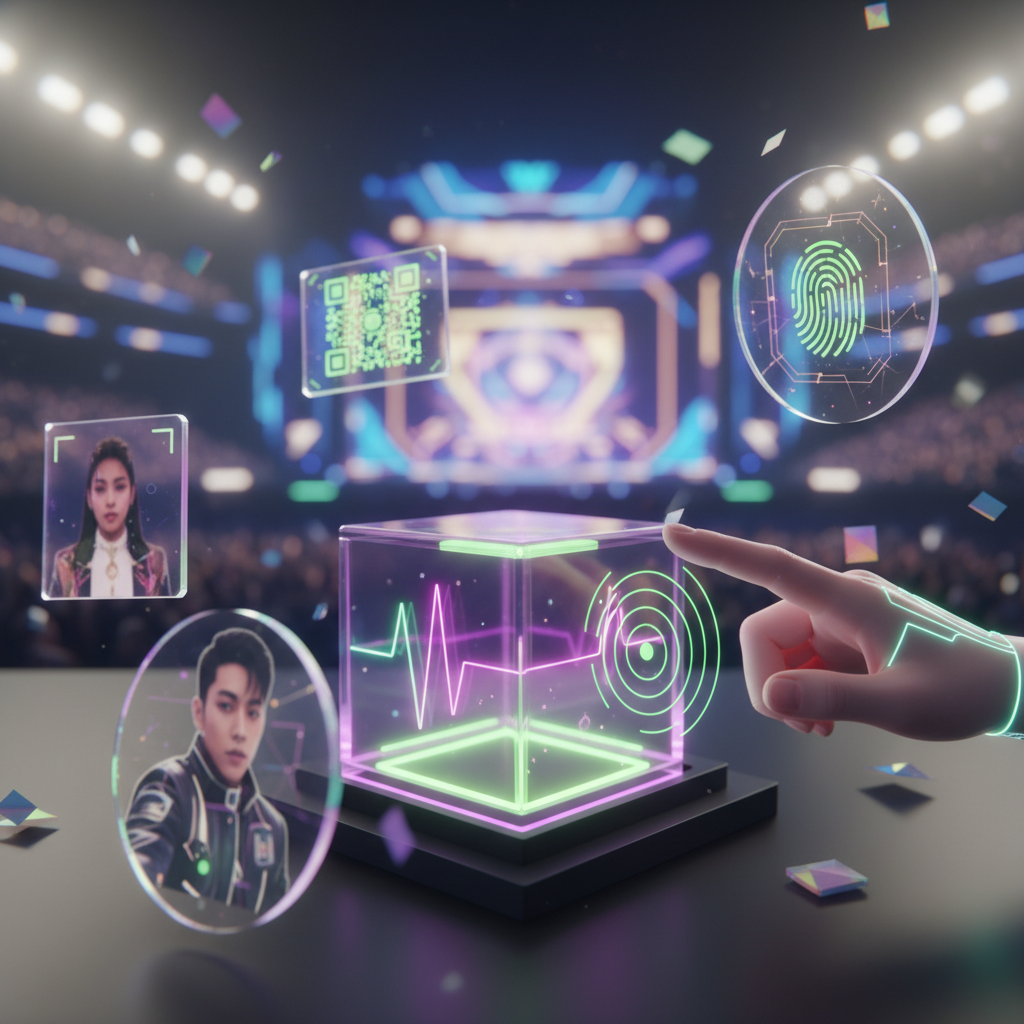
Solana’s blockchain technology provides a secure, decentralized ledger to verify the authenticity of K-pop albums. Here’s how it works:
- Unique Digital Certificates: Each album, whether physical or digital, is linked to a unique Non-Fungible Token (NFT) on the Solana blockchain. This NFT acts as a digital certificate of authenticity, ensuring the product is genuine and directly from the artist’s label.
- Transparent Ownership Records: When a fan purchases an album, the transaction is recorded on Solana’s blockchain. This creates an unalterable record of ownership, making it impossible for counterfeit copies to infiltrate the market.
- Fast and Affordable Transactions: Unlike other blockchain platforms, Solana offers lightning-fast processing speeds and minimal fees. This means fans can buy authenticated albums or trade limited-edition items without worrying about high costs or delays.
- Secondary Market Control: Solana enables labels to set rules for resale through smart contracts. For instance, a percentage of resale profits can go back to the artist, ensuring fair compensation while curbing scalping practices.
This technology is already being piloted by major K-pop agencies like HYBE and SM Entertainment in 2026, with plans to expand across smaller labels by year-end.
Benefits for K-Pop Fans and Artists
The integration of Solana into K-pop album sales offers a win-win situation for both fans and artists. For fans, the biggest advantage is trust—knowing that their hard-earned money is going toward a legitimate product. Additionally, owning an NFT-linked album adds a layer of exclusivity, as fans can showcase their digital certificates in virtual fan communities or metaverse spaces dedicated to K-pop.
For artists, Solana’s blockchain ensures they receive proper credit and revenue for their work. Take a group like TXT (TOMORROW X TOGETHER), for example. With Solana, their latest 2026 album release could be tied to NFTs that unlock bonus content—like unreleased tracks or virtual meet-and-greet tickets—driving sales while rewarding loyal fans. Moreover, artists gain insights into their fanbase through blockchain data, helping them tailor future releases or tours.
Real-World Impact: Case Studies in 2026
Several K-pop acts have already embraced Solana’s technology for album authentication this year. For instance, a mid-tier group under JYP Entertainment recently reported a 30% increase in album sales after introducing Solana-based NFTs. Fans were thrilled to receive digital collectibles alongside their purchases, which also granted access to exclusive online content. Similarly, a solo artist from YG Entertainment used Solana to combat counterfeit merchandise, resulting in a significant drop in fake album circulation within just three months.
These success stories highlight Solana’s potential to redefine how K-pop albums are bought, sold, and valued. As more agencies adopt this technology, it’s likely that blockchain authentication will become the industry standard by 2027.
Challenges and Future Prospects
Despite its promise, Solana’s integration into K-pop isn’t without hurdles. One major challenge is fan education—many K-pop enthusiasts are unfamiliar with blockchain and NFTs, leading to skepticism or confusion. Agencies must invest in clear communication to explain how this technology benefits them. Additionally, while Solana’s fees are low, the initial setup cost for smaller labels could be a barrier to entry.
Looking ahead, the future of Solana in K-pop album sales is bright. Experts predict that by 2028, nearly all K-pop releases will incorporate some form of blockchain authentication. Beyond albums, Solana could extend to other merchandise, such as lightsticks or concert tickets, creating a fully transparent ecosystem for K-pop commerce. Imagine a world where every BLACKPINK comeback album comes with a verifiable digital signature, or where BTS’s limited-edition releases are protected from scalpers through smart contracts. That future is closer than we think.
Conclusion: Solana Paves the Way for a Secure K-Pop Future
As K-pop continues to grow as a global powerhouse in 2026, technologies like Solana are ensuring that this growth is sustainable and fair. By leveraging blockchain for album sales authentication, Solana is tackling long-standing issues like counterfeiting and unauthorized resales, while adding value through digital collectibles and fan rewards. For K-pop fans, this means a more trustworthy and exciting purchasing experience. For artists, it’s a step toward greater control over their creative output and revenue. As Solana’s presence in the K-pop industry expands, one thing is clear: the intersection of music and technology is creating a brighter, more connected future for everyone involved.