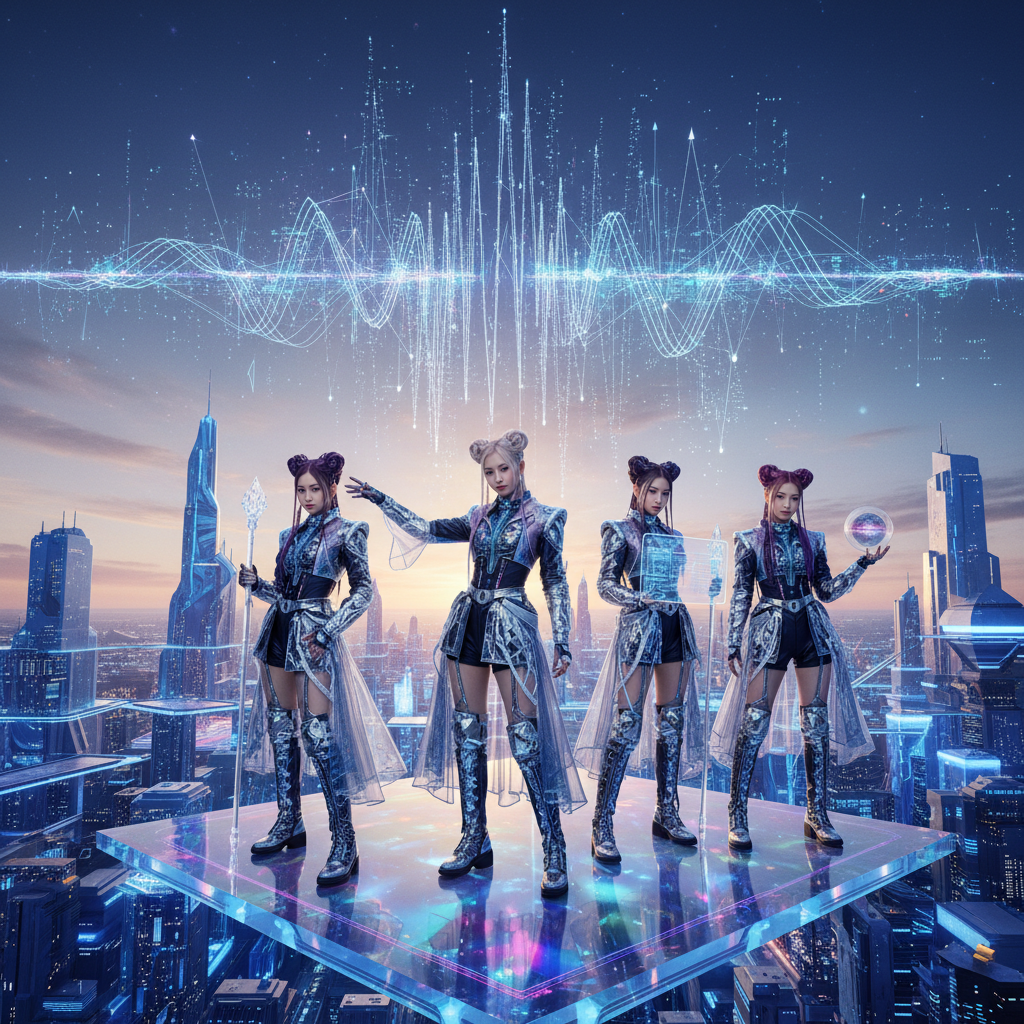
As the K-pop industry continues to evolve in 2026, technology is playing an increasingly significant role in shaping how fans connect with their favorite artists. One of the most exciting developments in this space is the integration of blockchain technology, with Solana emerging as a key player. Known for its high-speed transactions and low costs, Solana is revolutionizing the K-pop industry by powering digital collectibles, NFTs (non-fungible tokens), and innovative fan engagement platforms. In this article, we explore how Solana is transforming the K-pop landscape and what this means for fans and artists alike.
Solana: A Blockchain Powerhouse for K-Pop Innovation
For those unfamiliar, Solana is a blockchain platform designed for scalability and efficiency, making it ideal for applications that require fast and cost-effective transactions. In the context of K-pop, Solana’s technology is being leveraged to create unique digital experiences that go beyond traditional merchandise or streaming. From exclusive NFTs to virtual fan meet-and-greets, Solana is helping entertainment companies and artists build deeper connections with global audiences.
In 2026, several K-pop agencies have partnered with Solana-based platforms to introduce digital collectibles that allow fans to own a piece of their favorite group’s legacy. Unlike physical merchandise, these digital assets are one-of-a-kind, verified on the blockchain, and often come with perks like access to private online events or limited-edition content.
Digital Collectibles: The Future of K-Pop Merchandise
One of the most prominent ways Solana is impacting K-pop is through the creation of digital collectibles. Imagine owning a unique digital version of a concert ticket stub, a signed album cover, or even a short video message from a K-pop idol—all secured on the Solana blockchain. These collectibles are not just souvenirs; they often grant holders special benefits, such as priority access to ticket sales or exclusive behind-the-scenes content.
For instance, some mid-tier K-pop groups have started releasing limited-edition NFTs on Solana marketplaces, allowing fans to bid on digital art pieces inspired by their latest comebacks. These NFTs are not only a new revenue stream for artists but also a way to engage with fans in a meaningful, tech-savvy manner. The low transaction fees on Solana make it accessible for fans worldwide, unlike other blockchain networks where costs can be prohibitive.
Enhancing Fan Engagement with Solana-Powered Platforms
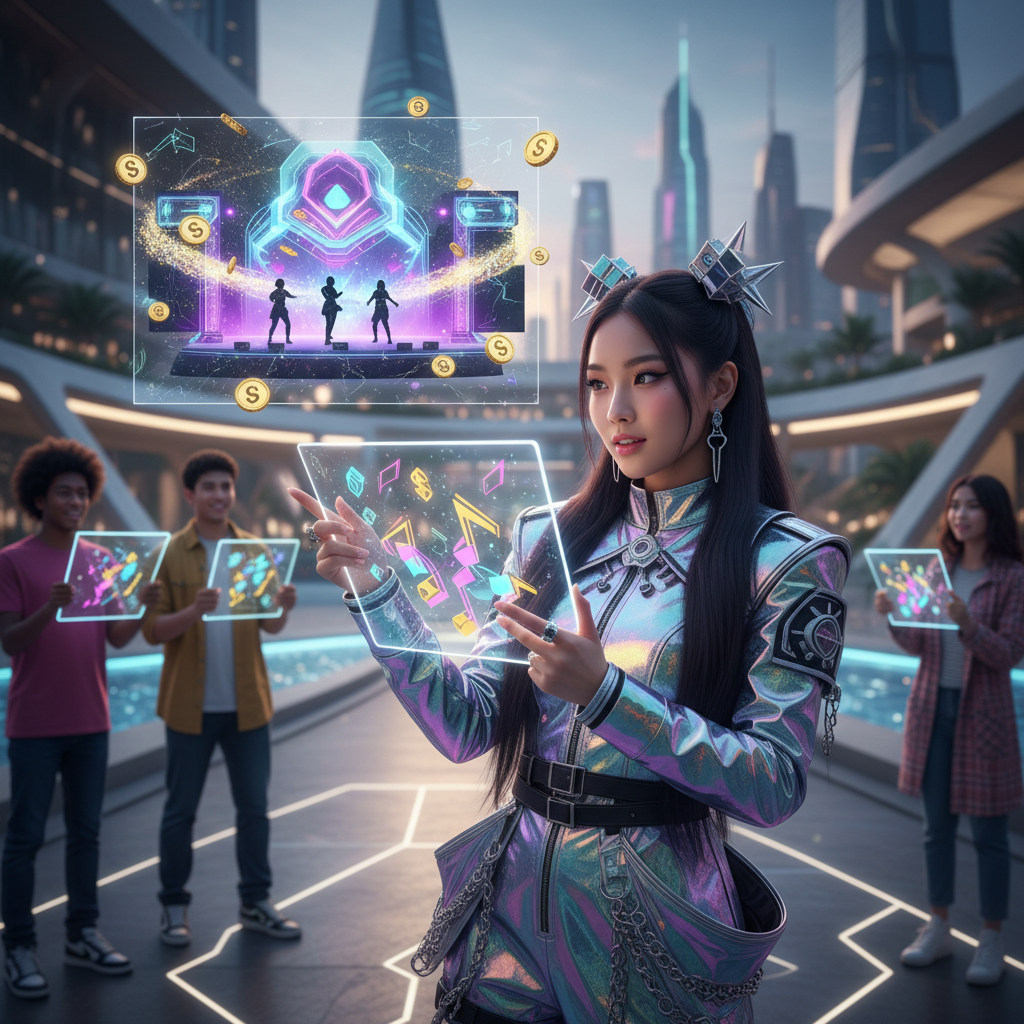
Beyond digital collectibles, Solana is also enabling K-pop agencies to create immersive fan engagement platforms. In 2026, we’ve seen the rise of virtual fan spaces where supporters can interact with each other and access exclusive content using Solana-based tokens. These platforms often integrate gamification elements, allowing fans to earn rewards by participating in challenges, voting for awards, or completing missions related to their favorite groups.
For example, a Solana-powered app recently launched by a leading K-pop entertainment company lets fans unlock virtual photo cards by attending online concerts or streaming music. These photo cards can then be traded with other fans on the platform, creating a vibrant digital economy. This innovative use of blockchain technology ensures transparency and security, giving fans confidence that their digital assets are authentic and protected.
Benefits for K-Pop Artists and Agencies
The adoption of Solana in the K-pop industry isn’t just about fan experiences—it also offers significant advantages for artists and their management. For one, blockchain technology provides a direct channel for artists to monetize their work without relying heavily on intermediaries. By issuing NFTs or digital collectibles, K-pop groups can retain a larger share of the revenue generated from fan purchases.
Additionally, Solana’s transparency ensures that royalty distributions are fair and trackable. This is particularly important in an industry where disputes over earnings have historically been a concern. With blockchain records, artists can see exactly how much revenue their digital assets generate and ensure they are compensated accordingly.
Moreover, Solana’s global reach allows K-pop agencies to tap into international markets with ease. Fans from different countries can participate in NFT drops or virtual events without worrying about high fees or slow transaction times, fostering a more inclusive fanbase.
Challenges and Future Prospects
While Solana’s integration into K-pop is exciting, it’s not without challenges. One major hurdle is educating fans about blockchain technology and how to use digital wallets. For younger or less tech-savvy audiences, the concept of NFTs and cryptocurrency can be daunting. K-pop agencies are addressing this by offering user-friendly tutorials and partnering with Solana developers to simplify the onboarding process.
Another concern is the environmental impact of blockchain technology, though Solana stands out as one of the more energy-efficient networks compared to others like Ethereum. As sustainability becomes a priority for both fans and artists in 2026, Solana’s eco-friendly approach could give it an edge in the K-pop space.
Looking ahead, the potential for Solana in K-pop is limitless. Industry insiders predict that by the end of 2026, we might see fully virtual K-pop concerts hosted on Solana-powered metaverse platforms, where fans can attend using avatars and interact with idols in real-time. Such innovations could redefine what it means to be a K-pop fan, blending music, technology, and community in unprecedented ways.
Why Solana Matters for K-Pop Fans in 2026
For K-pop enthusiasts, Solana represents a new frontier of fandom. It’s no longer just about streaming music or buying physical albums; it’s about owning a piece of history and being part of a digital ecosystem that values your support. Whether you’re collecting rare NFTs of your bias or earning rewards through a fan app, Solana is making the K-pop experience more interactive and personalized than ever before.
As this technology continues to gain traction, it’s clear that Solana is not just a passing trend but a transformative force in the K-pop industry. Fans, artists, and agencies alike are embracing the possibilities, and 2026 is shaping up to be a landmark year for blockchain innovation in Korean pop culture.