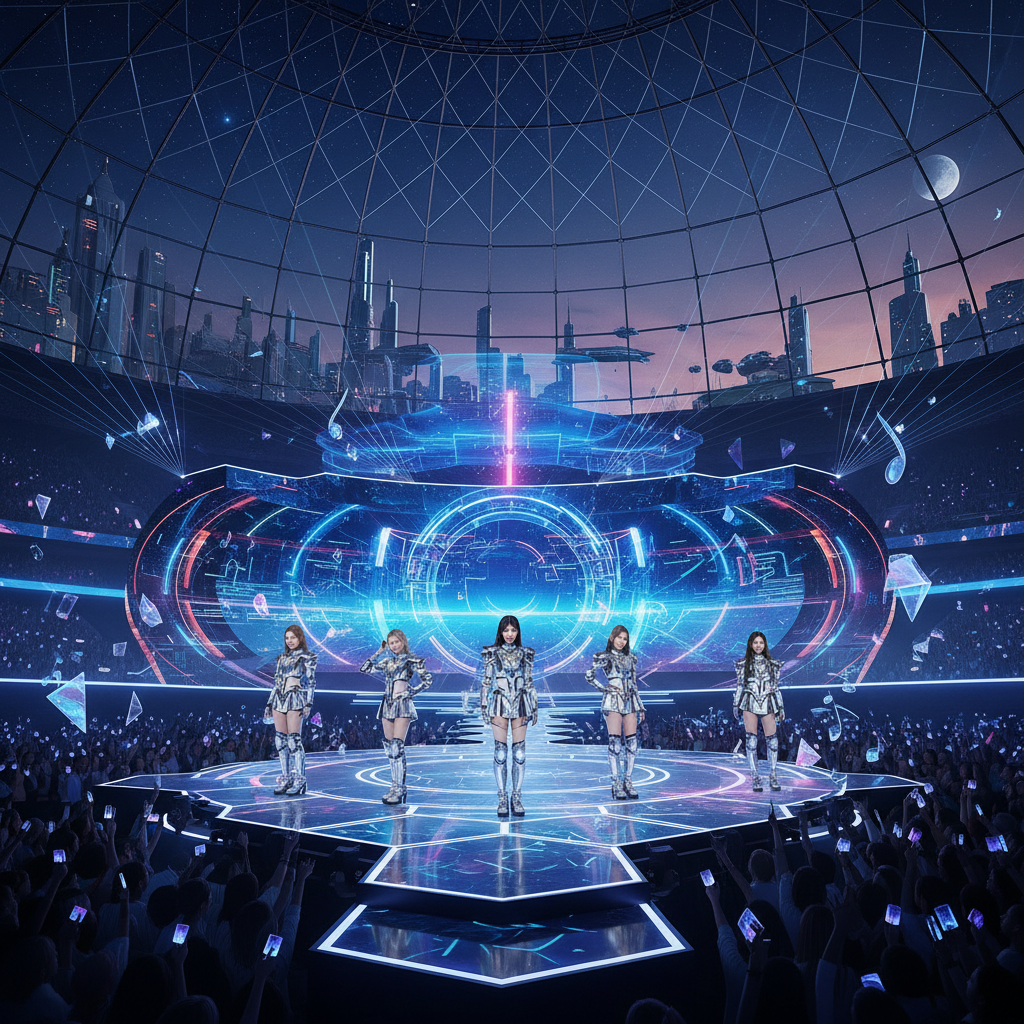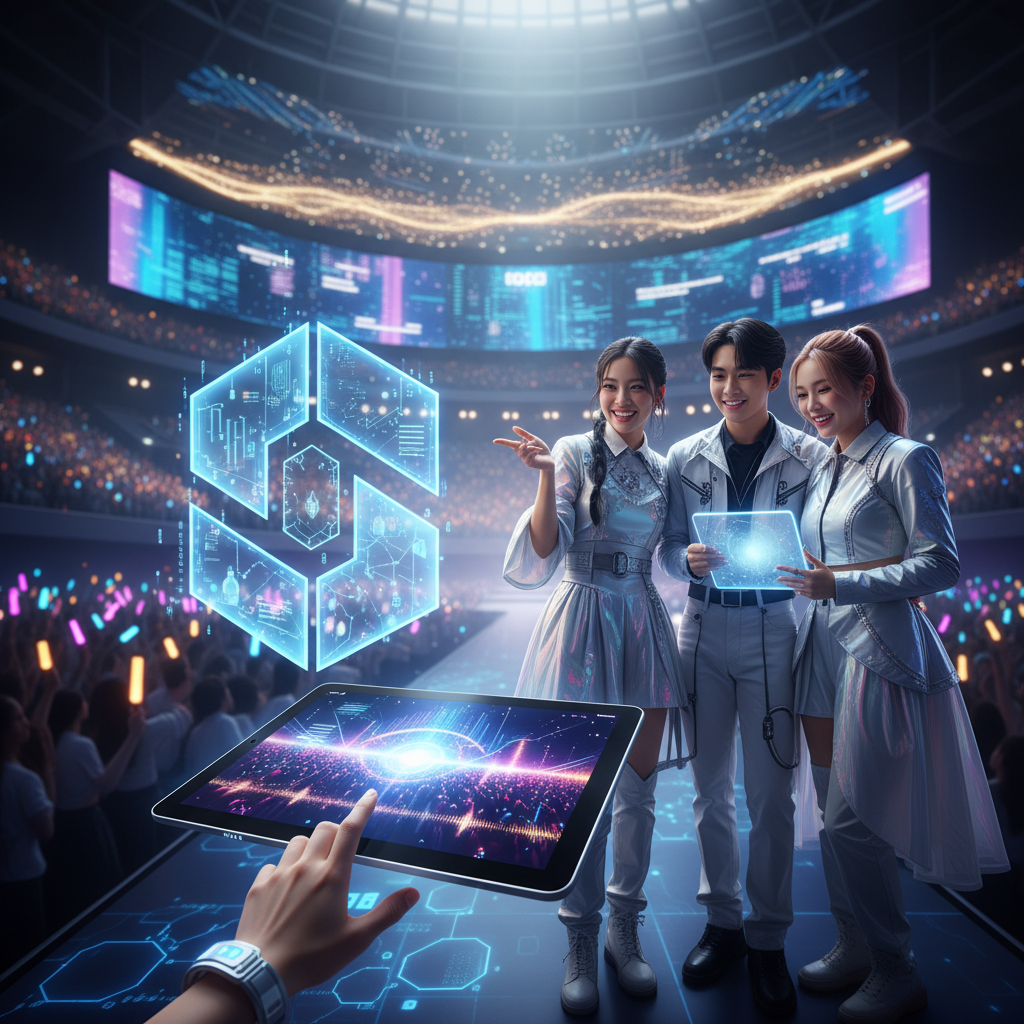
In the ever-evolving world of K-pop, technology continues to play a pivotal role in shaping how fans connect with their favorite artists. As of 2026, one of the most exciting developments in this space is the integration of blockchain technology, particularly through platforms like Solana. Known for its high-speed transactions and low costs, Solana is making waves in the Korean music industry by offering innovative solutions for fan engagement, digital collectibles, and even ticketing systems for K-pop concerts. Let’s dive into how Solana is transforming the K-pop landscape and why it’s a game-changer for both artists and fans.
The Rise of Solana in the K-Pop Industry
Solana, a blockchain platform launched in 2020, has quickly gained traction for its scalability and efficiency. Unlike other blockchain networks that struggle with high transaction fees and slow processing times, Solana offers near-instant transactions at a fraction of the cost. This makes it an ideal choice for industries like K-pop, where fan interactions are frequent, and digital content is king. In 2026, major K-pop agencies such as SM Entertainment, HYBE, and JYP Entertainment have started exploring Solana-based projects to enhance their artists’ reach and create new revenue streams.
One of the most notable aspects of Solana’s integration into K-pop is its ability to support Non-Fungible Tokens (NFTs). NFTs have become a popular way for fans to own exclusive digital content, such as limited-edition album artwork, virtual concert tickets, or even personalized messages from idols. By leveraging Solana’s blockchain, K-pop agencies can ensure the authenticity and ownership of these digital assets, giving fans a sense of exclusivity and connection to their favorite stars.
Enhancing Fan Engagement Through Solana-Powered Platforms
Fan engagement is the heartbeat of K-pop culture, and Solana is taking it to the next level. In 2026, several fan platforms built on Solana have emerged, allowing fans to participate in unique experiences that were previously unimaginable. For instance, some platforms enable fans to vote on aspects of an artist’s project—such as tracklists or music video concepts—using Solana-based tokens. This not only gives fans a voice but also creates a deeper bond between idols and their supporters.
Additionally, Solana’s blockchain technology ensures transparency in fan-driven initiatives. Whether it’s crowdfunding for a special event or tracking the distribution of fan club benefits, the decentralized nature of Solana eliminates the risk of fraud and builds trust. Imagine a world where K-pop fans can directly contribute to a group’s anniversary project and see exactly how their contributions are used—all thanks to Solana’s transparent ledger system.
Solana and K-Pop Concerts: A New Era of Ticketing
One of the most frustrating aspects of being a K-pop fan is the struggle to secure concert tickets. Scalping and bots have long plagued the ticketing industry, often leaving genuine fans empty-handed. In 2026, Solana is stepping in to solve this problem with blockchain-based ticketing solutions. By issuing tickets as NFTs on the Solana network, agencies can prevent fraud and ensure that tickets are sold and resold at fair prices.
For example, a fan purchasing a ticket to a K-pop concert through a Solana-powered platform receives a unique digital ticket that cannot be duplicated. If they decide to resell it, the transaction is recorded on the blockchain, and a smart contract can enforce rules such as price caps to deter scalpers. This innovation not only benefits fans but also protects artists and agencies from revenue loss due to illegal ticket sales.
Case Studies: K-Pop Groups Embracing Solana
While specific artist collaborations are still emerging, several K-pop groups and soloists have hinted at Solana-based projects in 2026. Agencies are experimenting with digital fan meets where attendees receive exclusive Solana NFTs as souvenirs. These NFTs might include a virtual photo with the idol or access to a private online Q&A session. Such initiatives cater to the global K-pop fanbase, many of whom cannot attend physical events due to geographical or financial constraints.
Moreover, Solana’s low transaction fees make it feasible for fans from all economic backgrounds to participate. Unlike other blockchain platforms where “gas fees” can be prohibitively expensive, Solana ensures that even small transactions—like buying a $5 digital collectible—are affordable. This inclusivity aligns perfectly with K-pop’s ethos of uniting fans worldwide, regardless of their circumstances.
Challenges and Future Potential
Despite its many advantages, Solana’s integration into K-pop is not without challenges. For one, the concept of blockchain and NFTs can be daunting for fans who are unfamiliar with cryptocurrency. Agencies and platforms will need to invest in user-friendly interfaces and educational resources to bridge this gap. Additionally, there are concerns about the environmental impact of blockchain technology, though Solana is known for being more energy-efficient compared to platforms like Ethereum.
Looking ahead, the potential for Solana in K-pop is limitless. Beyond fan engagement and ticketing, we could see Solana being used for royalty distribution, ensuring that artists receive fair compensation for their work in real-time. Imagine a future where streaming revenue is automatically distributed to K-pop idols via smart contracts on the Solana blockchain, eliminating delays and disputes. Such innovations could redefine the Korean music industry’s financial landscape.
Why Solana Matters to K-Pop Fans in 2026
For K-pop fans, Solana represents more than just a technological advancement—it’s a gateway to a more interactive and equitable fandom experience. Whether it’s owning a piece of digital history through an NFT, securing a concert ticket without fear of scams, or directly supporting an artist’s project, Solana empowers fans like never before. As K-pop continues to dominate global pop culture, the adoption of cutting-edge technologies like Solana ensures that the industry remains at the forefront of innovation.
In conclusion, Solana’s influence on K-pop in 2026 is a testament to the power of technology in enhancing art and community. As more agencies and artists jump on board, fans can look forward to a future where their love for K-pop is not just a passive admiration but an active, rewarding journey. Keep an eye on this space—Solana and K-pop are just getting started!