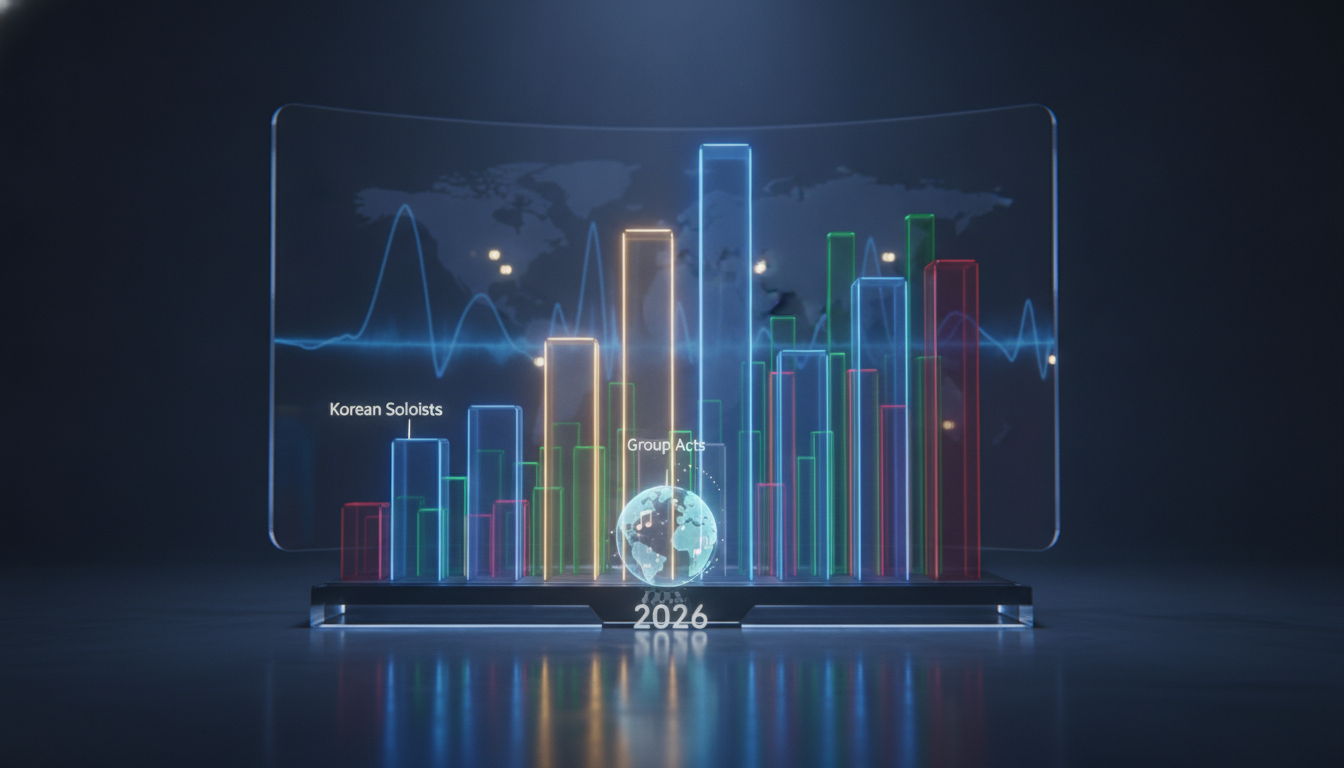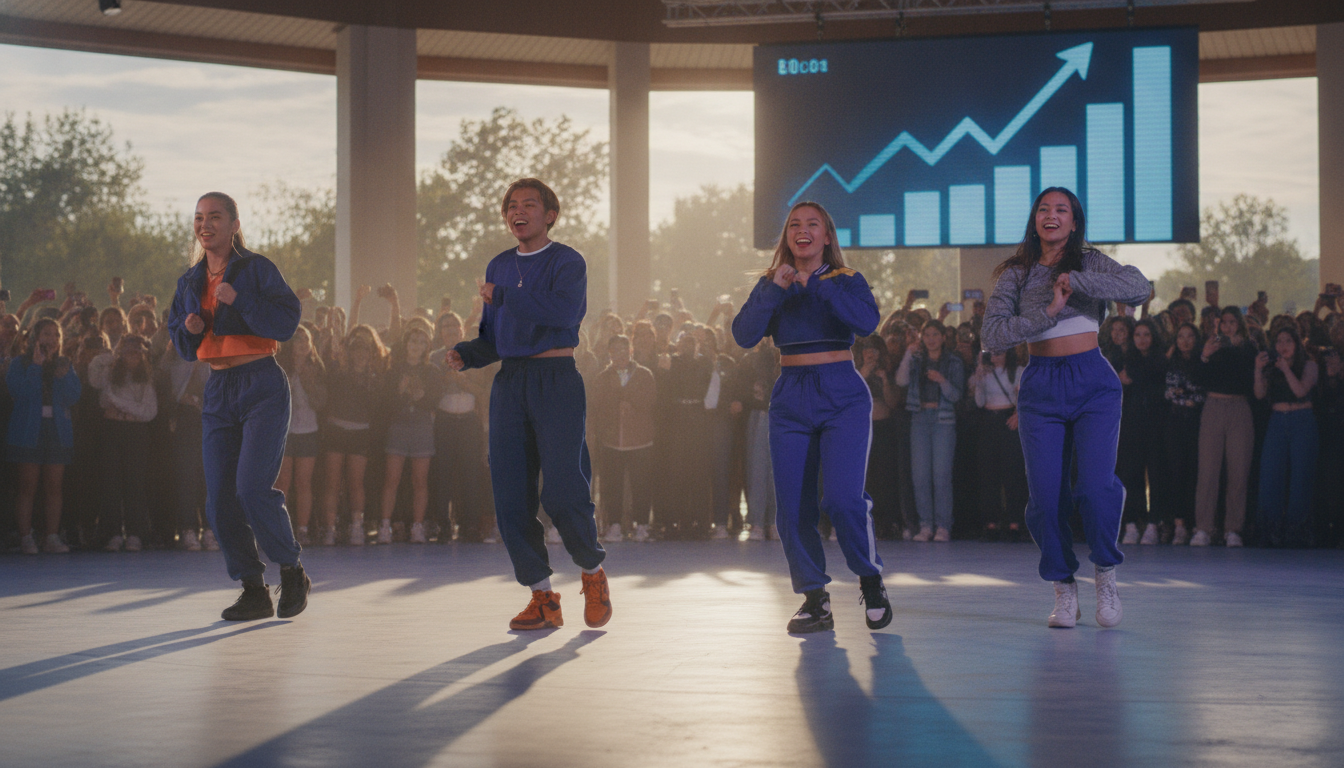
In 2026, the rise of viral dance challenges has become a central force in shaping K-pop chart success. As platforms like TikTok and Instagram continue to influence how music spreads globally, K-pop artists and agencies are leveraging catchy choreography and fan participation to drive tracks to the top of major charts. This strategy is more than a trend - it's a blueprint for global impact and lasting popularity.
Dance Challenges: A New Era of K-pop Promotion
K-pop's reputation for high-energy performances and intricate choreography is well established. What has changed is how these choreographies are released and promoted. Today, groups like Stray Kids, aespa, and LE SSERAFIM do not just perform on stage - they launch dance challenges alongside new singles, turning signature moves into viral internet moments. These challenges spark waves of user-generated content, with fans, influencers, and even other celebrities joining in to post their own versions.
- Stray Kids' "Thunderous" challenge turned the track into a global social media sensation, with the related hashtag trending for weeks after release.
- aespa's "Spicy" choreography dominated TikTok, leading to a significant boost in streaming numbers as snippets of the dance were watched and replicated millions of times.
- LE SSERAFIM's "Eve, Psyche & the Bluebeard's Wife" challenge became a staple at fan events and online, driving renewed interest and engagement with the track.
These dance challenges go beyond fan service. The surge in views, shares, and creative remixes leads directly to better chart performance. Songs with viral choreography often see dramatic increases in Spotify streams, YouTube views, and digital downloads, propelling them onto both Korean and international charts.
Spotify and the Role of Viral Engagement
Spotify's K-pop chart has emerged as a critical barometer for global popularity. In 2026, tracks that come packaged with accessible and memorable dance challenges consistently achieve higher rankings and enjoy longer chart runs. Legendary groups like BTS set this standard when the "Butter" dance challenge dominated the platform, keeping the song at the top of the Spotify K-pop chart for weeks. More recently, rookie groups such as NewJeans and ZEROBASEONE have adopted the same playbook. By crafting choreography that is easy to replicate, they encourage widespread participation and rapidly build streaming momentum.
Spotify's algorithms pick up on these viral surges. When fans and influencers upload dance challenge videos, the resulting uptick in streams and playlist adds leads to stronger chart positions. It is not unusual to see tracks re-enter the charts months after release, revived by a new wave of dance challenge activity. For K-pop agencies, this means that a well-timed challenge can provide a valuable second wind to a song’s chart journey.
Billboard K-pop Chart and Social Media Impact
Billboard's K-pop chart, which factors in streaming, digital sales, and social engagement, has also shifted in response to the dance challenge boom. Viral choreography can lead to explosive growth in social media mentions and digital downloads, which Billboard now weighs in its chart methodology.
BLACKPINK's "Shut Down" challenge, for example, ignited a global response, with fans worldwide sharing their versions of the dance on Instagram and TikTok. The challenge fueled a rapid climb for the track on Billboard's K-pop chart. Similar patterns have emerged with newer groups, whose management teams engineer dances that are both visually impactful and easy enough for fans to learn. The intent is clear: maximize the viral potential and, by extension, chart performance in the crucial first weeks after release.
This feedback loop between social media, fan activity, and chart outcomes has changed the way K-pop is promoted. Agencies now collaborate with popular dancers and content creators, ensuring that new choreography has the best chance to trend and spark participation on a global scale.
Fan Power and Chart Longevity
The enthusiasm and creativity of K-pop fandoms are unmatched. Fans do more than passively enjoy the music - they organize, coordinate, and amplify dance challenges, sometimes even sparking participation from influencers outside the K-pop sphere. These efforts can dramatically extend a song's relevance and chart life.
A striking example in 2026 was TWICE's "Fancy," a track that originally charted years earlier but enjoyed a resurgence thanks to a fan-made remix dance challenge. Viral success on TikTok and other platforms propelled "Fancy" back up the Melon and Gaon charts, showing the long-term power of dance challenges to breathe new life into older releases. This pattern is becoming more common, with fans and agencies alike recognizing the potential to reintroduce earlier tracks to a new audience through fresh choreography.
Fan engagement is not limited to posting videos. Many fandoms organize streaming parties, collectively focus on boosting chart numbers, and even collaborate with other fan communities for cross-promotions. This organized effort adds staying power to songs and ensures that viral dance trends do not fade quickly.
Choreography as a Chart Strategy
K-pop agencies are adapting to this new reality by treating choreography as a strategic asset. Many groups now release dance practice videos and tutorials simultaneously with new singles. These resources lower the barrier for fans to participate in challenges, making it easy for even casual listeners to join in.
Partnerships with influencers and popular dancers help spread the choreography beyond the core fandom. Not only does this increase the challenge's reach, but it also brings more attention to the song across social media platforms. As a result, K-pop tracks are making simultaneous waves on Spotify, Billboard, and major Korean charts, a reflection of the new, unified approach to digital promotion.
Agencies are also investing in creative choreography that aligns with global dance trends, sometimes working with international choreographers to maximize appeal. The focus is on creating moves that can be picked up quickly but still look impressive on video - an essential ingredient for virality in 2026.
Innovations and the Future of Dance-driven Hits
The synergy between dance challenges and chart success is set to grow even stronger. Advancements in technology, such as augmented reality (AR) effects and AI-powered choreography tutorials, are making it easier and more engaging for fans worldwide to participate. Artists are starting to experiment with interactive challenges where fans can dance alongside virtual avatars or participate in coordinated online events.
This digital innovation will likely lead to even greater international crossovers, as K-pop challenges reach new audiences far beyond Korea. Chart performance is already reflecting this, with more tracks appearing simultaneously on worldwide charts and local Korean rankings.
As K-pop continues to break boundaries, the role of viral dance challenges is firmly cemented as a driving force behind both immediate chart success and sustained relevance. For artists, agencies, and fans alike, creating and participating in dance challenges is not just a fun activity - it's a powerful tool for shaping the future of the genre on a global scale.