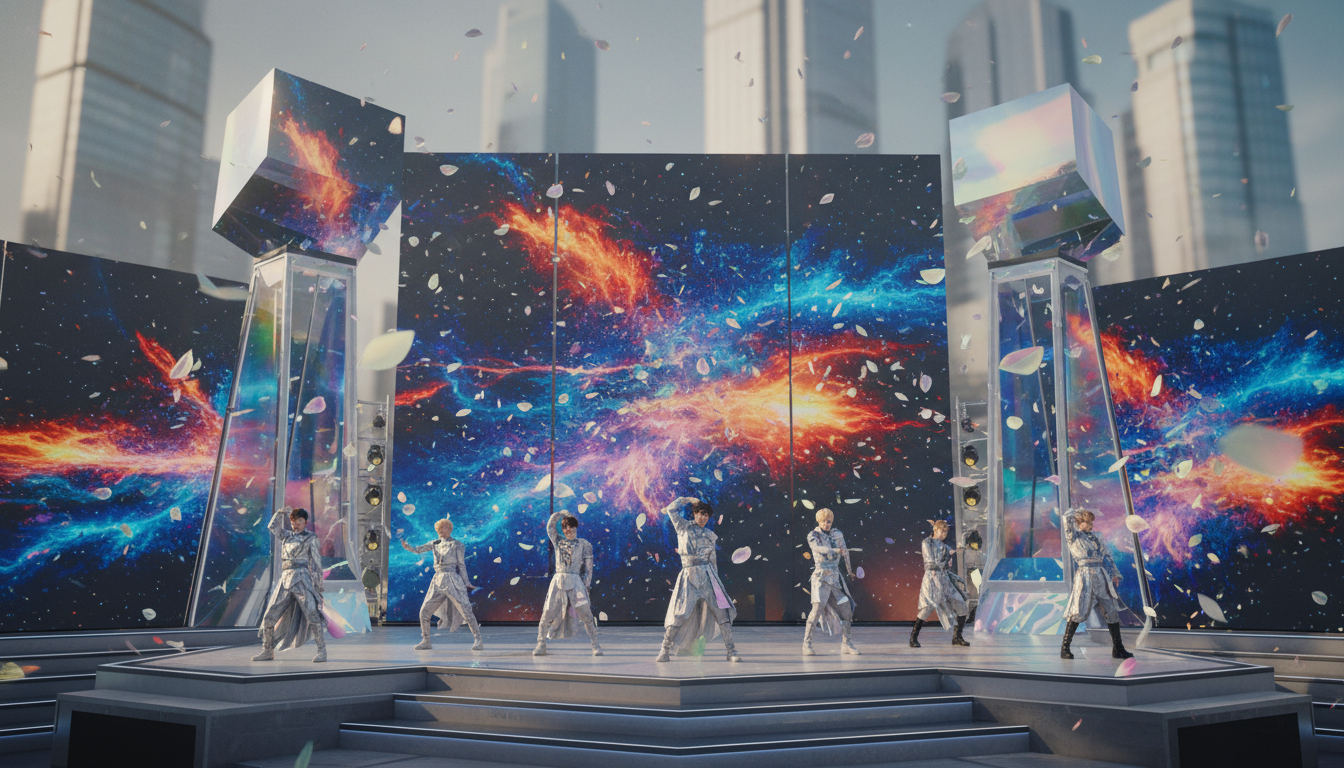
In the ever-evolving world of K-pop, comebacks are more than just album releases - they're grand events that blend music, storytelling, and visual artistry to captivate global audiences. As we dive into 2026, K-pop artists are pushing boundaries with innovative visual elements in their comebacks, transforming music videos into immersive experiences that enhance fan engagement and cultural impact. This article explores how these visual spectacles are redefining the essence of K-pop comebacks, from intricate concept designs to cutting-edge production techniques.
The Rise of Cinematic Storytelling in K-pop Comebacks
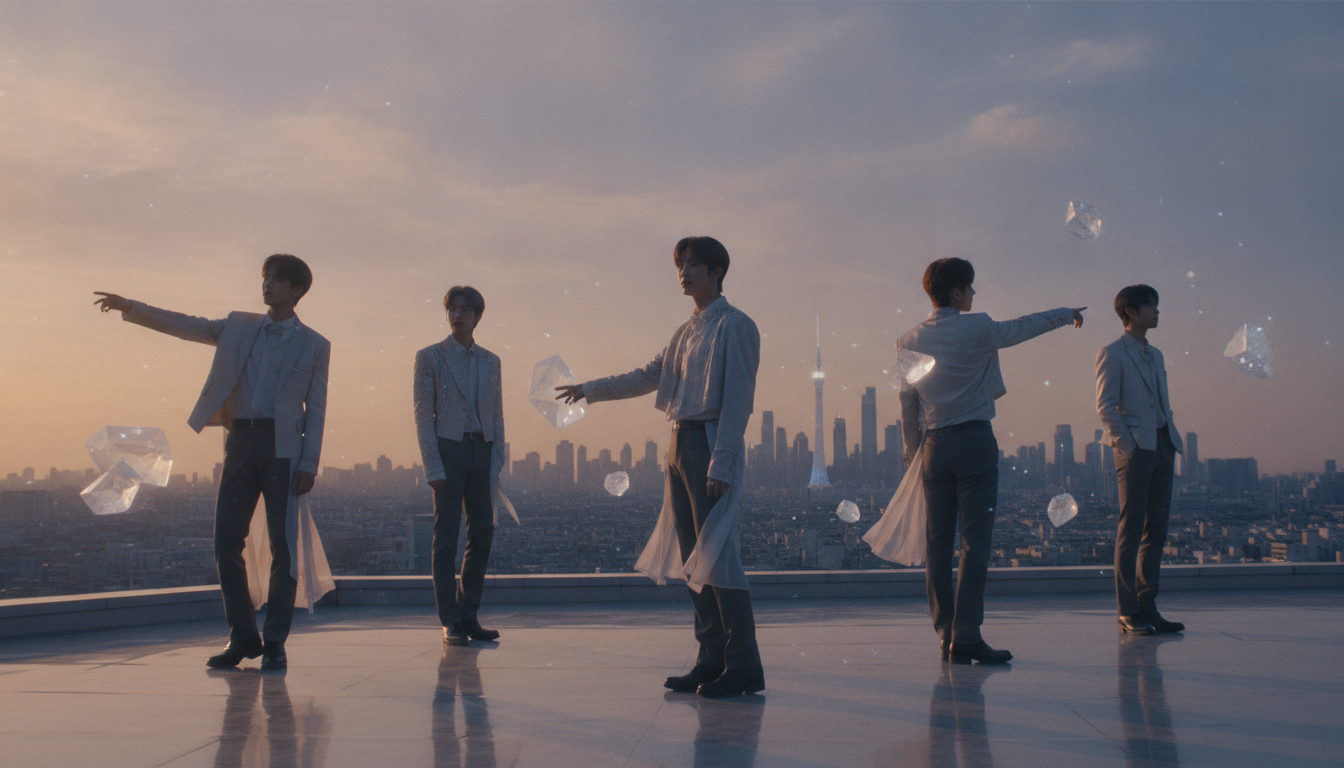
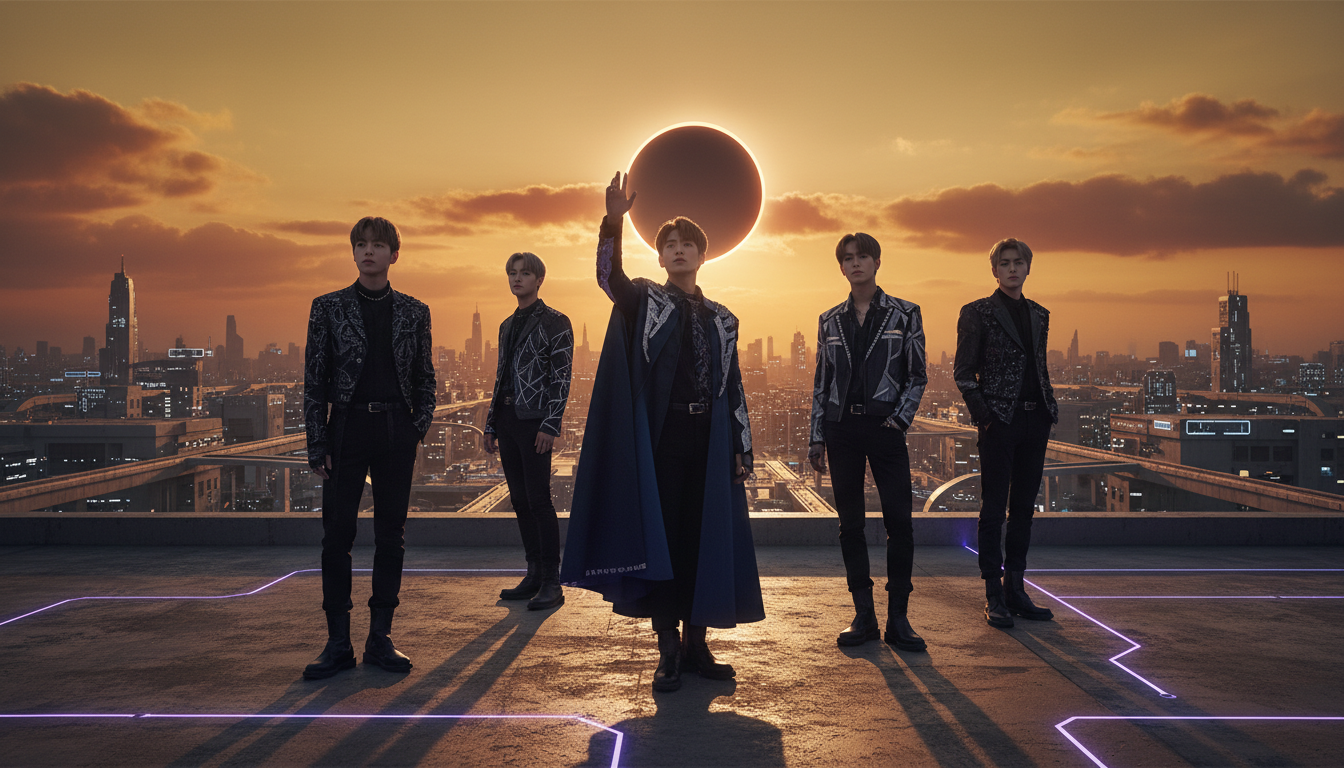
One of the most exciting trends in 2026 K-pop comebacks is the shift towards cinematic storytelling. Groups like SEVENTEEN and TWICE have set the stage by incorporating film-like narratives into their music videos, turning simple performances into epic tales. For instance, SEVENTEEN's latest comeback album featured a music video that unfolds like a dystopian thriller, complete with plot twists and character development that keeps fans on the edge of their seats. This approach not only highlights the group's versatility but also draws in new audiences who appreciate the depth beyond just catchy tunes.
Experts in the Korean music industry note that this trend stems from the growing influence of Korean dramas and films on K-pop. By weaving in elements of Korean pop culture, such as traditional motifs or modern urban stories, artists create a seamless blend that resonates with both domestic and international fans. According to a 2026 report from the Korea Creative Content Agency, music videos with strong narrative arcs see a 40% increase in viewership, underscoring the strategic value of visual storytelling in comebacks.
Innovative Visual Effects and Technology Integration
Technology is at the forefront of 2026 K-pop comebacks, with artists leveraging advanced visual effects to elevate their releases. From AI-generated visuals to virtual reality (VR) previews, groups are experimenting with tools that make their comebacks feel futuristic and interactive. Take ITZY's recent comeback, for example; their music video incorporated augmented reality (AR) filters that fans could access via apps, allowing them to insert themselves into the video's world. This not only boosts fan participation but also extends the comeback's lifespan through user-generated content.
In the Korean pop culture scene, this tech-savvy approach is influenced by the rapid adoption of digital platforms. K-pop agencies are investing heavily in production, with budgets for visual effects rising by 25% compared to previous years, as per industry insiders. These innovations ensure that comebacks stand out in a crowded market, where visual appeal can make or break a release's success on platforms like YouTube and TikTok.
The Impact of Concept Evolution on Fan Communities
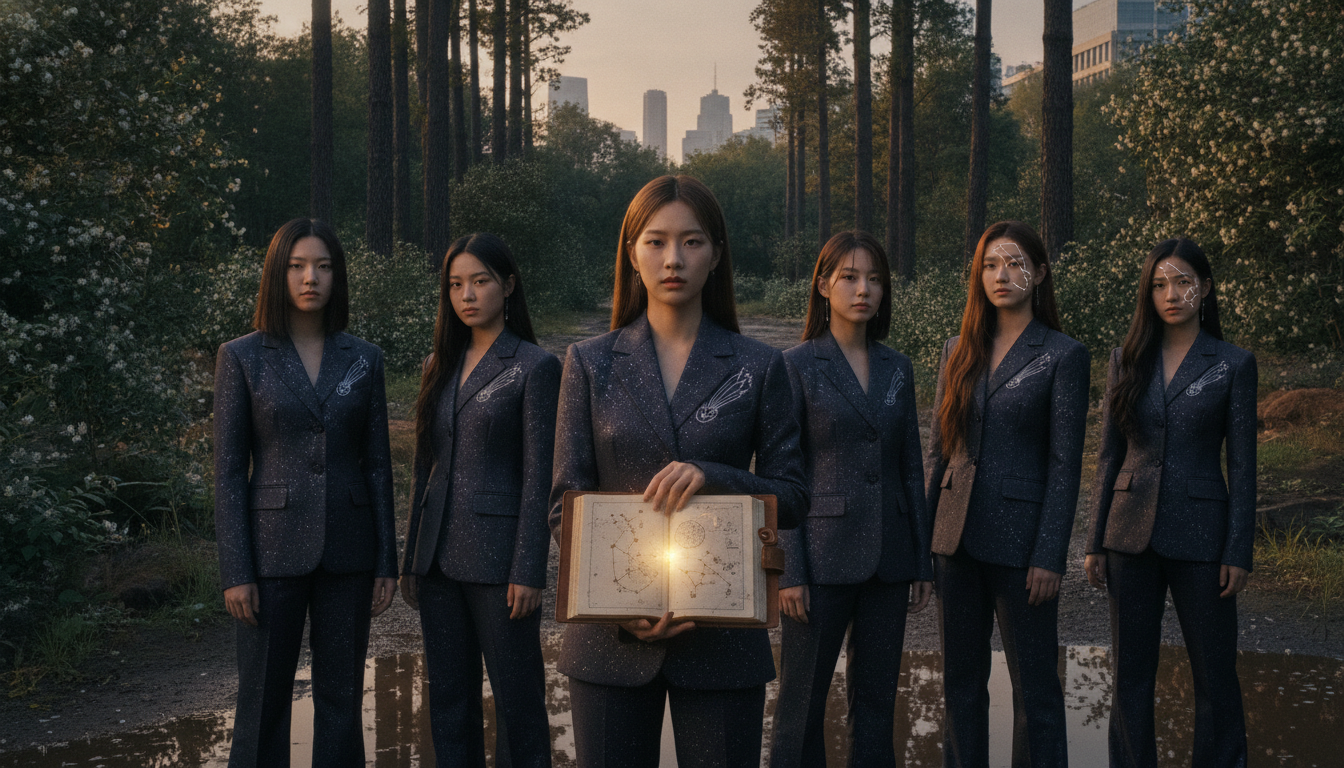
K-pop comebacks often revolve around concept changes, and in 2026, these evolutions are more visually driven than ever. Artists like Red Velvet have mastered the art of switching between concepts - such as from cute and bubbly to mysterious and empowering - in their visual presentations. This year's comeback saw them release a series of teaser images and videos that built anticipation through a progressive reveal, showcasing a dark, ethereal theme that contrasted their previous works.
- Enhanced fan engagement through themed merchandise and online events.
- Creation of viral challenges based on music video choreography and aesthetics.
- Building a sense of community as fans analyze and discuss visual symbols in forums.
This evolution fosters deeper connections within fan communities, turning comebacks into cultural phenomena. In Korean pop culture, these visual shifts reflect broader societal themes, like empowerment and self-expression, which resonate with younger demographics. A survey by the Korean Entertainment Industry Association in 2026 revealed that 60% of fans choose to support comebacks based on the visual concepts alone, highlighting the power of aesthetics in driving loyalty.
Behind-the-Scenes: The Production Process of Visual Comebacks
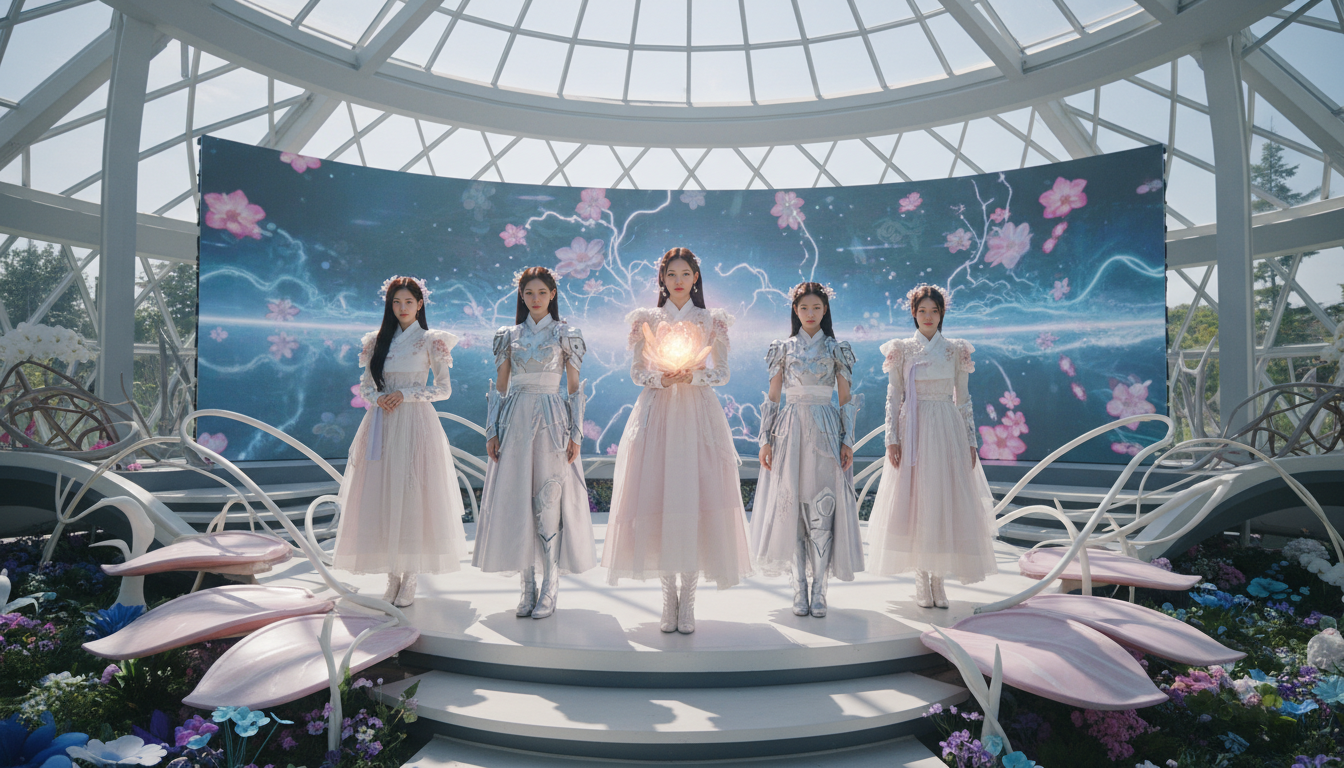
Creating these visual spectacles requires a collaborative effort from directors, choreographers, and digital artists. In the K-pop industry, comeback preparations often begin months in advance, with teams brainstorming concepts that align with an artist's image. For MAMAMOO's 2026 comeback, the production involved working with renowned Korean filmmakers to craft a music video that incorporated traditional dance elements with modern CGI, resulting in a visually stunning tribute to Korean heritage.
The process isn't without challenges; balancing artistic vision with commercial viability is key. Producers emphasize the importance of market research to ensure visuals appeal globally, such as incorporating multilingual subtitles or culturally diverse elements. This meticulous planning pays off, as evidenced by the exponential growth in streaming numbers for comebacks with high-production visuals.
Global Influence and Future Trends in K-pop Visuals
The global reach of K-pop means that visual elements in comebacks are increasingly influenced by international trends, while still rooted in Korean pop culture. In 2026, we're seeing a fusion of styles, like incorporating elements from Japanese anime or Western pop art, as seen in STRAY KIDS' latest release. This blending not only broadens appeal but also positions K-pop as a leader in global entertainment.
- Cross-cultural collaborations with international visual artists.
- Adoption of eco-friendly production methods for sustainable visuals.
- Expansion into metaverses for virtual comeback experiences.
Looking ahead, experts predict that 2027 will bring even more immersive technologies, like holographic performances, to K-pop comebacks. This evolution ensures that the industry remains at the cutting edge, continually redefining what a comeback can be.
Conclusion: The Visual Future of K-pop Comebacks
As 2026 unfolds, the visual redefinition of K-pop comebacks is not just a trend - it's a revolution that enhances the overall fan experience and solidifies K-pop's cultural dominance. By prioritizing innovative storytelling, technology, and concept evolution, artists are creating lasting legacies that go beyond music. For fans and newcomers alike, these visual spectacles offer a gateway into the vibrant world of Korean pop culture, promising even more excitement in the years to come.