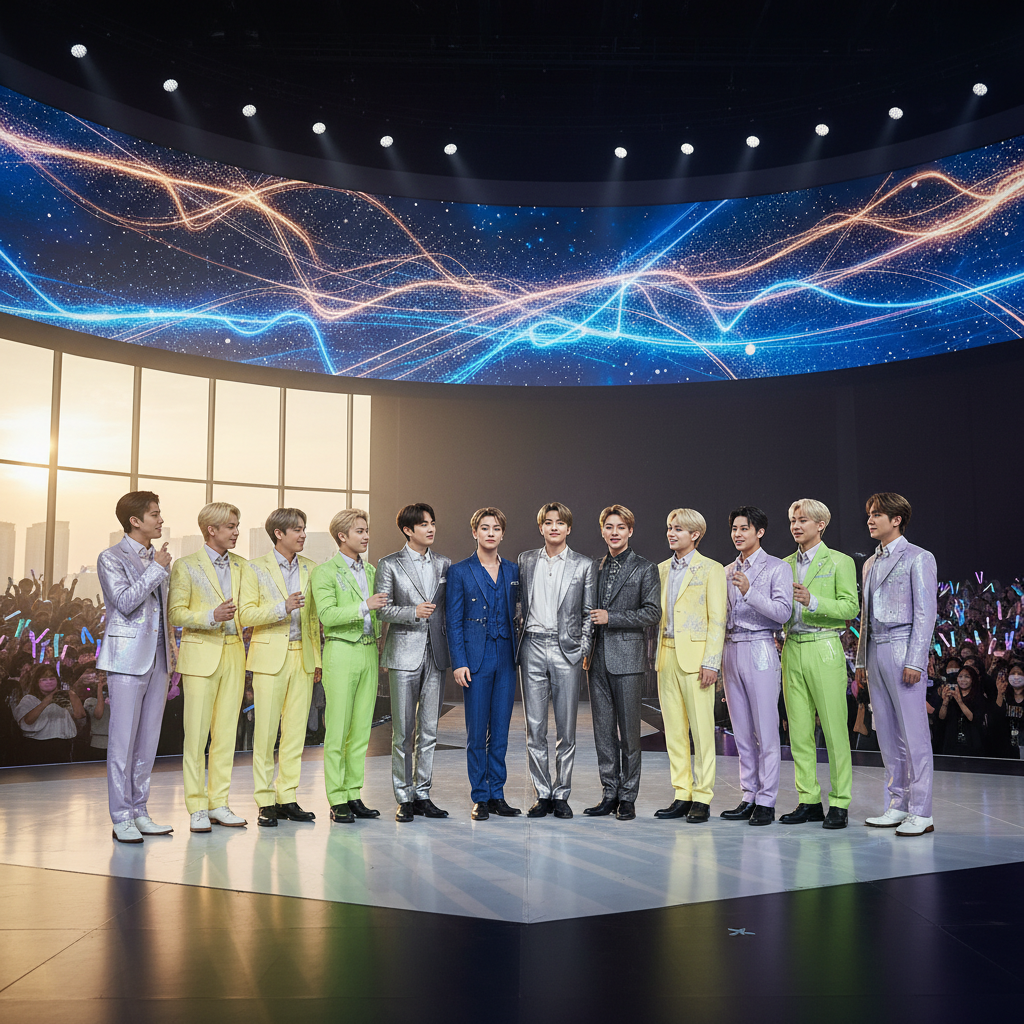
As we move further into 2026, one name remains at the center of K-Pop's global rise: BTS. The seven members—RM, Jin, SUGA, J-Hope, Jimin, V, and Jungkook—have changed what it means to be a K-Pop star, and their influence still echoes through the industry. Even with members pursuing solo projects and other commitments, their music keeps shaping how new artists approach their craft. Here's how BTS continues to drive K-Pop forward in 2026.
The Foundation of BTS' Global Dominance
BTS debuted in 2013 under Big Hit Entertainment (now HYBE), going from performing in small venues to filling stadiums worldwide. Their lyrics tackled mental health, societal pressures, and self-acceptance—topics that felt fresh for a K-Pop group at the time. Albums like Wings (2016) and Love Yourself: Tear (2018) mixed hip-hop, pop, R&B, and even rock while keeping a distinctly Korean sound.
In 2026, BTS' back catalog still sets the standard. Songs like "Spring Day" and "Blood Sweat & Tears" still appear on playlists, and their pre-hiatus releases showed how they'd grown as artists. What's clear is that today's K-Pop groups prioritize storytelling and genuine expression—something BTS normalized years ago.
BTS' Role in K-Pop's Globalization
Before BTS, K-Pop stayed mostly in Asia with rare breakthroughs elsewhere. Then BTS changed everything. They topped the Billboard Hot 100 with "Dynamite" in 2020 and performed at the Grammys, proving that language wasn't a barrier to connecting with fans worldwide.
The effects are obvious in 2026. K-Pop acts regularly dominate Spotify and Apple Music charts, and international collaborations happen all the time now. BTS showed everyone it was possible. Their fanbase, ARMY, stretches across every continent, and their insistence on Korean identity has encouraged other artists to embrace their roots unapologetically.
How BTS Inspires New K-Pop Talent in 2026
Many of today's rising K-Pop stars name BTS as their biggest influence. The group's hands-on approach to creating music set a new standard—members have always written and produced their own songs, with RM and SUGA leading as credited producers.
This creative independence has sparked a wave of self-produced groups. Rookies in 2026 are taking control of their music, trying experimental sounds, and writing lyrics about their own struggles. BTS made it acceptable to be emotionally honest in K-Pop—tracks like "Blue & Grey" and "Black Swan" opened doors for idols to share deeper, more personal stories with fans.
Cultural Impact Beyond Music
BTS' influence goes well beyond their discography. They've introduced millions to Korean language, traditions, and values. Their speeches at the United Nations and work with UNICEF on mental health initiatives made them symbols of positive change.
In 2026, this cultural ripple effect keeps growing. Korean language courses have exploded in popularity—fans want to understand BTS' lyrics in the original. Korean food, fashion, and dramas have also gained massive international followings, part of the Hallyu wave that BTS supercharged. Fans still make pilgrimages to South Korea, visiting locations from BTS music videos and shows.
What's Next for BTS in 2026?
Group activities have slowed as members focus on solo work, but the members' individual releases keep dominating charts. V's soulful ballads and SUGA's aggressive rap tracks under his Agust D alias remind fans why BTS remains unmatched in versatility.
Speculation about group content in 2026 keeps the fandom excited. Nothing's confirmed, but HYBE's occasional cryptic teasers generate massive buzz on social media. Until then, fans stream classics like "Butter" and "Permission to Dance," keeping BTS present on global charts.
Why BTS Remains the Heart of K-Pop
BTS' continued relevance in 2026 comes down to one thing: authenticity. They've never avoided discussing real issues, whether in their music or public appearances, and that honesty keeps them at K-Pop's core. Their journey from tiny venues to stadium headliners still inspires people around the world.
As K-Pop expands, BTS stays at its center. Their legacy isn't just awards or records—it's the lives they've changed and the doors they've kicked open. For new fans discovering their music in 2026 and longtime ARMYs waiting for what's next, BTS represents hope, persistence, and chasing big dreams.
2026 Update
In early 2026, BTS secured their fifth Billboard Hot 100 number-one hit with a surprise digital single, proving their chart power remains undiminished despite years of focused solo work. The release sparked renewed global interest in their entire catalog, with streaming numbers for older albums surging over 300% in the weeks following. Members have also begun hinting at a potential 2027 reunion tour, sending ARMY into a frenzy of speculation and celebration.
What BTS moment or song defines their impact for you? Share your thoughts below and let's talk about the group that transformed K-Pop forever!