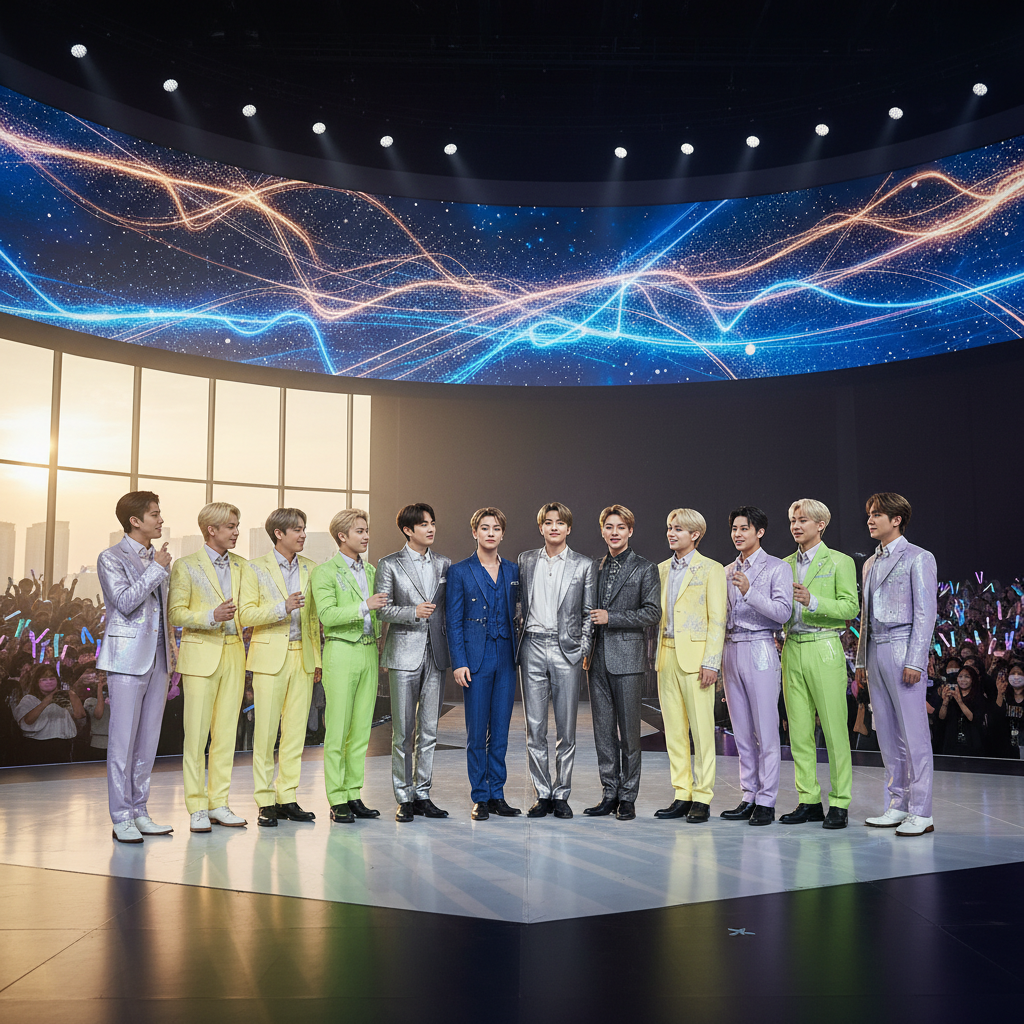
In the K-Pop world, few groups have changed songwriting the way BTS has. In 2026, their influence still shapes how artists approach lyrics, even as the group focuses on military service and solo projects. While ARMY loves their performances and choreography, the real reason BTS connected with so many people is their lyrics. Let me break down how BTS turned K-Pop songwriting into something more personal and meaningful.
How K-Pop Lyrics Changed: From Simple Hooks to Real Stories
K-Pop has always been about catchy melodies, synchronized dance moves, and impressive music videos. The songwriting tended to be straightforward, with lyrics that were easy to sing along to but didn't dig deeper. That started changing when BTS debuted in 2013 under BigHit Entertainment. Their first hits like "No More Dream" directly addressed pressure on young people, and later songs like "Spring Day" captured loss and longing in ways that felt genuine. Their early work showed that meaningful lyrics could actually work in pop music.
What made BTS different was that the members themselves—RM, SUGA, and J-Hope—wrote their own songs. They drew from real experiences, talking about mental health, self-worth, and the pressures that come with fame. This authenticity resonated with fans and influenced other artists to write more personally.
What BTS Wrote About: Life in Korea
BTS tackled subjects that connected with people all over the world, using their Korean background as a starting point. Their music explored difficult topics:
- Mental Health: "Blue & Grey" and "Black Swan" faced depression, anxiety, and losing motivation head-on—things K-Pop rarely discussed before. These songs helped start important conversations in South Korea.
- Growing Up and Finding Yourself: The "Wings" album pulled from Hermann Hesse's novel Demian, following characters through self-discovery. "Blood Sweat & Tears" mixed feelings of temptation with vulnerability.
- Criticizing Society: "Ddaeng" and "Baepsae (Silver Spoon)" called out problems like generational inequality and difficult work life, which young people dealing with these issues really related to.
By 2026, as K-Pop reaches more global audiences, other artists feel able to explore deeper topics because BTS showed them it was possible. Their openness pushed the entire genre to be braver.
RM, SUGA, and J-Hope: The Writers Behind BTS
The core of BTS' songwriting comes from RM, SUGA, and J-Hope—their rap trio. Each brings something different to their music. RM uses poetic language and philosophical ideas, like in "Trivia: Love" where he describes love using math metaphors. SUGA, performing as Agust D, gets raw and honest about his battles with depression and self-criticism in songs like "The Last." J-Hope balances deep thinking with brighter energy, as shown in "Outro: Tear," which explores heartbreak and staying strong.
Working together, they've shaped BTS' sound while earning recognition from the music industry. Their songwriting has contributed to multiple Daesangs (the top Korean music awards), showing their influence on K-Pop. Aspiring artists now see them as proof that writing your own material matters.
How BTS Changed K-Pop Writers Everywhere
BTS' approach to songwriting has become a model for the industry. New groups and established artists now focus more on meaningful lyrics, often pointing to BTS as their inspiration. You can hear this in how newer acts incorporate personal stories and social observations into their music instead of just singing about love. BTS also showed that mixing Korean culture with feelings everyone understands could work globally, encouraging other artists to draw from their own backgrounds.
Even their English songs like "Butter" and "Permission to Dance," which were written for mainstream appeal, carried messages about happiness and freedom. That BTS could work in multiple languages while keeping their emotional weight shows how skilled they are at songwriting.
Looking Ahead: What Comes Next
BTS' impact on K-Pop goes beyond just writing songs—they changed what it means to be an artist in the genre. Their insistence on real, personal lyrics pushed the industry to care more about depth than just looks. Even with military service and solo careers taking priority now, their collection of songs remains a powerful example of what honest songwriting can do. For listeners and people wanting to make music, BTS' story proves that art can matter and connect with people in real ways.
2026 Update
In 2026, BTS members continue releasing solo work that maintains their lyrical approach—RM's indie collaborations and J-Hope's festival appearances have particularly stood out. The group's influence shows up in how rookie groups now openly discuss therapy and burnout in their music, something that would have been rare before BTS broke those barriers.