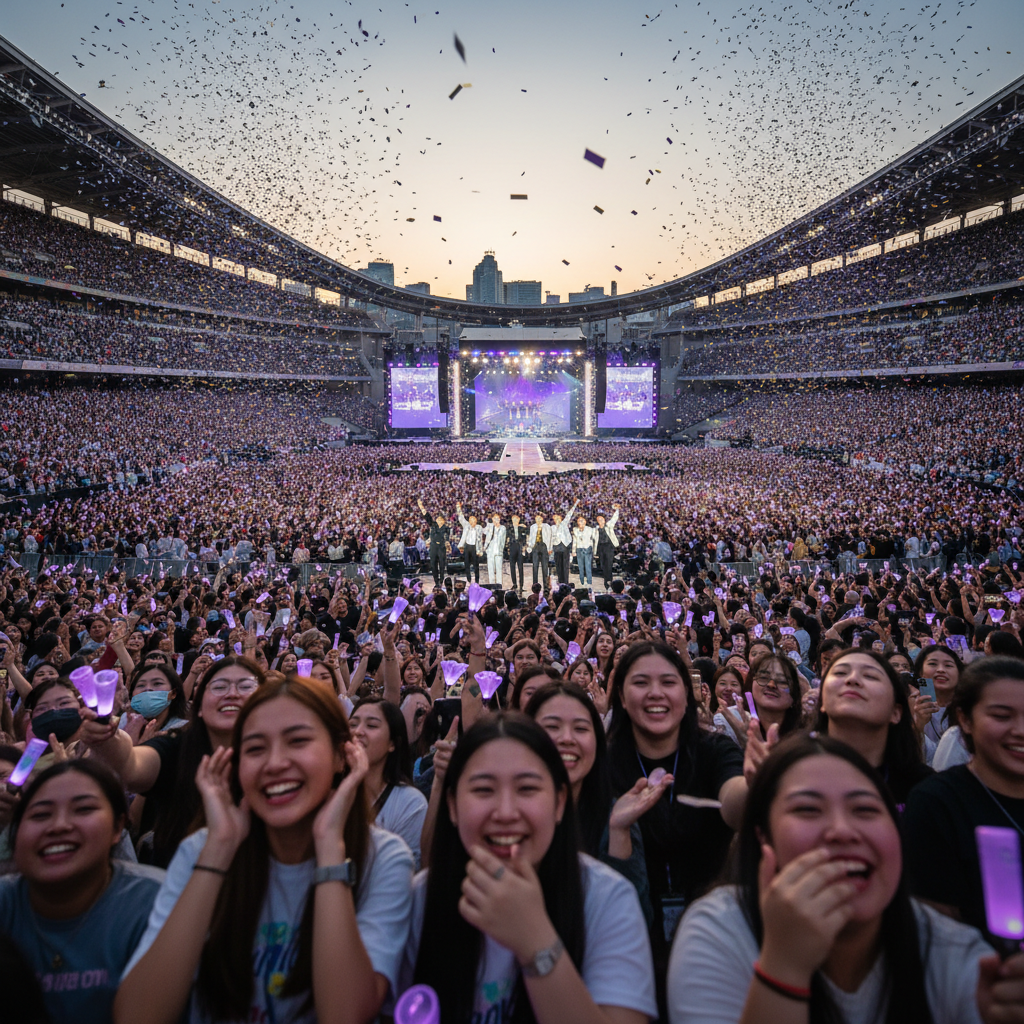
K-Pop has changed dramatically over the years, but few acts have shaped both the music and travel habits of millions the way BTS has. As of 2026, the seven members continue acting as South Korea's unofficial ambassadors, drawing fans from every corner of the globe to visit locations connected to their favorite group. Themed cafes, filming sites, and guided tours centered around BTS have become big business, pumping billions into the local economy and turning cities like Seoul and Busan into pilgrimage destinations for ARMYs. Here's how BTS reshaped K-Pop tourism and why it still matters so much in 2026.
The Rise of K-Pop Tourism: BTS as the Catalyst
K-Pop tourism—international fans traveling to South Korea to experience the culture behind their favorite artists—has exploded over the past ten years. While many groups contribute to this trend, BTS was the one that really started it all. Since their debut in 2013, hits like "Dynamite" and "Butter" brought worldwide attention, and millions of ARMYs started planning trips to see the places tied to the members' stories.
By 2026, South Korea's tourism board estimates that over 30% of international visitors specifically cite K-Pop as their main reason for visiting, and BTS-related spots are the most requested. Cities like Seoul, Busan, and Daegu—hometowns of various members or locations from music videos—have become must-see destinations. This isn't just about fandom either. The money flowing in from hotel stays, merchandise purchases, and guided tours adds up to billions of won annually, making K-Pop tourism a serious economic force.
Iconic BTS Locations Drawing Crowds in 2026
ARMYs making the trip to South Korea have certain spots they simply have to visit. Here's where they're going:
- BT21 Cafes and Stores in Seoul: Created with LINE Friends, these characters—designed by the BTS members themselves—decorate cafes and shops in Gangnam and Myeongdong. Fans line up for limited-edition merchandise and photo-worthy themed desserts.
- Busan's Jeonpo Cafe Street: This area appeared in BTS' early content and connects to Jimin and Jungkook's background. In 2026, fan-made murals and pop-up events celebrating the duo have brought new life to the neighborhood.
- Daegu's Seomun Market: As the hometown of SUGA and V, Daegu has leaned into its BTS connection with guided tours visiting local markets, schools, and other spots significant to the members' childhoods.
- Music Video Filming Sites: The laundry shop from "Spring Day" and the beach from "Blood Sweat & Tears" still draw thousands of visitors each year. Local businesses nearby have caught on, offering BTS-themed food and experiences.
These places have evolved beyond simple tourist attractions. Many have gained official recognition from tourism boards, complete with multilingual signage and guided information for international visitors. The spots feel meaningful to fans because they offer something tangible—a physical connection to music that's been important to them.
Government and Industry Support for K-Pop Tourism
The South Korean government and entertainment industry have noticed the money at stake. In 2026, the Ministry of Culture, Sports, and Tourism released a "BTS Trail" app that maps out key locations connected to the group and other K-Pop acts, with augmented reality features that let users see virtual content at each spot. Partnerships with HYBE, BTS' label, have produced pop-up exhibitions and fan events scheduled around holidays, keeping visitors coming year-round.
Private businesses have adapted too. Hotels now offer BTS-themed rooms, and travel agencies run ARMY-exclusive packages that bundle concert tickets with guided tours. It's a genuine collaboration between public and private sectors, and it's definitely amplified South Korea's cultural reach globally.
The Cultural Ripple Effect Beyond BTS
BTS may be the biggest draw, but they're not the only reason fans visit. BLACKPINK, EXO, and SEVENTEEN fans often mix BTS-related stops with other K-Pop locations on the same trip. In 2026, K-Pop concerts, fan meetings, and cultural festivals in places like Gwangjang Market and Itaewon bring together fans from all different fandoms. BTS opened the door, but the entire industry walks through it now.
What's interesting is how BTS' music has actually pushed fans toward deeper cultural engagement. Many ARMYs enroll in Korean language classes before or after their trips, and hanbok (traditional clothing) experiences have become popular add-ons. K-Pop tourism has become a genuine gateway to understanding more about Korean heritage.
Challenges Facing K-Pop Tourism in 2026
The growth hasn't been without problems. Popular BTS locations get incredibly crowded, and locals have raised concerns about overtourism at some sites. There are also questions about what happens next—several members have completed military service or are focusing on solo projects now, and without constant new content, maintaining interest could get tricky.
That said, I'm optimistic. ARMYs are notoriously devoted, and South Korea's tourism industry has shown it knows how to adapt. Plans for virtual reality experiences and interactive museums dedicated to BTS' career are already in development, which would let fans experience the group's journey without physically traveling.
2026 Update
Since this article was originally written, BTS announced additional 2026 tour dates that sent flight prices to Seoul soaring once again. The tourism board reported a 15% spike in advance bookings following the announcement, proving the group's draw remains incredibly strong even as members pursue individual activities.
BTS' impact on K-Pop tourism in South Korea is genuinely remarkable. In 2026, they continue bringing millions of visitors to the country, functioning as cultural ambassadors who've turned fan devotion into real economic and social power. Whether you're an ARMY planning your first trip to Seoul or just curious about why K-Pop tourism matters, BTS' influence on South Korean travel is impossible to ignore—and it's only going to keep growing.