As the K-pop industry continues to push boundaries in 2026, a new player has entered the scene, promising to transform how fans engage with their favorite idols. Cardano, a leading blockchain platform, is making waves by partnering with major K-pop agencies to introduce innovative fan reward systems. This groundbreaking collaboration is set to redefine the relationship between artists and fans, offering secure, transparent, and exciting ways to connect through digital ecosystems.
What is Cardano, and Why K-Pop?
Cardano is a third-generation blockchain platform known for its focus on sustainability, scalability, and security. Unlike other blockchain technologies, Cardano operates on a unique proof-of-stake consensus mechanism, making it energy-efficient and ideal for large-scale applications. In 2026, Cardano has caught the attention of the K-pop industry, an arena where fan engagement drives success. With millions of fans worldwide, K-pop agencies are always seeking new ways to deepen connections, and Cardano’s technology offers just that.
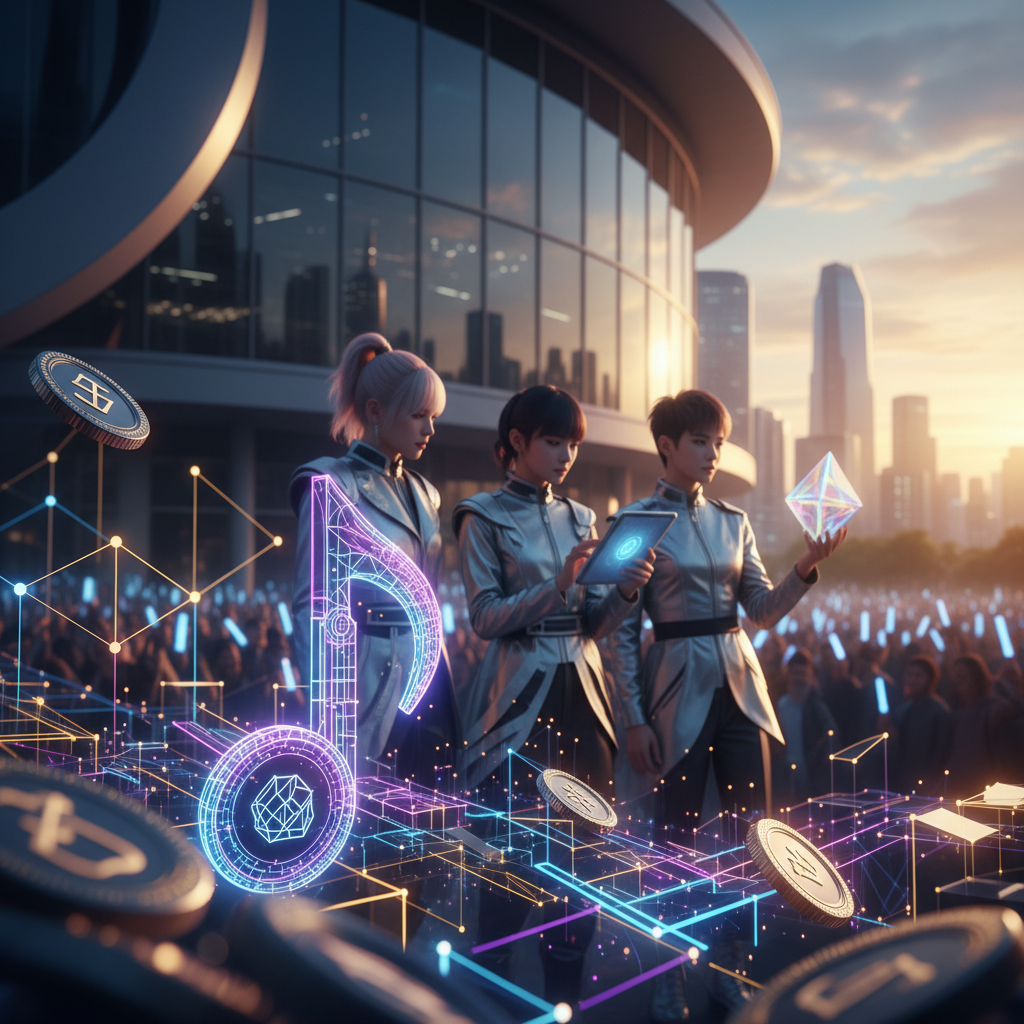
The partnership between Cardano and K-pop agencies aims to leverage blockchain to create decentralized platforms where fans can earn rewards, participate in exclusive events, and own unique digital assets tied to their favorite groups. This move comes as the K-pop industry continues to embrace digital transformation, ensuring fans remain at the heart of the experience.
Blockchain-Based Fan Rewards: A Game-Changer
One of the most exciting developments in this collaboration is the introduction of blockchain-based fan rewards. Through Cardano-powered platforms, fans can now earn tokens or digital points by participating in activities such as streaming music, purchasing official merchandise, or attending virtual concerts. These tokens can then be redeemed for exclusive perks, such as virtual meet-and-greets with idols, limited-edition digital photocards, or even voting power in fan-driven decisions like award show nominations.
For instance, imagine being a fan of a group like BTS or BLACKPINK and earning tokens simply by streaming their latest album on a Cardano-integrated app. These tokens could unlock a personalized video message from a member or grant access to a private online fan meeting. This system not only incentivizes fan engagement but also ensures transparency, as blockchain records every transaction, eliminating fraud or unfair practices.
Empowering K-Pop Fans with Digital Ownership
Another significant aspect of Cardano’s integration into K-pop is the concept of digital ownership through Non-Fungible Tokens (NFTs). In 2026, several K-pop agencies have begun rolling out exclusive NFTs on Cardano’s blockchain, allowing fans to own unique digital collectibles. These could range from limited-edition album art to virtual concert tickets that come with backstage access or commemorative digital merchandise.
What sets Cardano apart in this space is its low transaction fees and eco-friendly approach, making it accessible for fans across the globe to participate without worrying about high costs or environmental impact. For example, a fan in Southeast Asia could purchase an NFT of their favorite SEVENTEEN music video scene without breaking the bank, knowing their transaction is securely stored on the blockchain.
Enhancing Security for Artists and Fans Alike
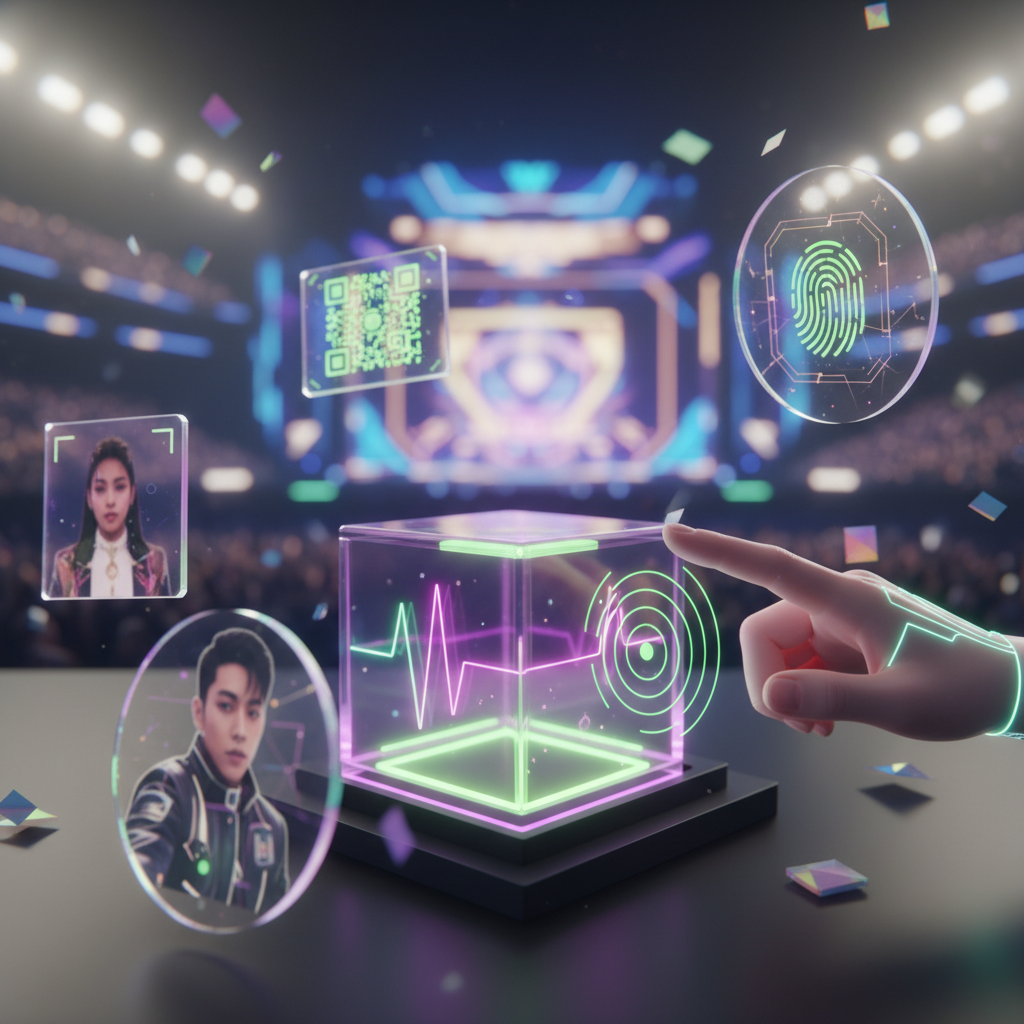
Security has always been a concern in the digital age, especially in an industry as massive as K-pop, where scams and ticket scalping often plague fans. Cardano’s blockchain technology addresses these issues by providing a tamper-proof system for ticketing and merchandise sales. In 2026, fans attending concerts by groups like ATEEZ or ITZY can purchase tickets directly through Cardano-based platforms, ensuring authenticity and eliminating the risk of counterfeit tickets.
For artists, this technology offers protection against unauthorized use of their content. Cardano’s smart contracts enable agencies to automate royalty payments and track the usage of digital assets, ensuring that idols receive fair compensation for their work. This level of transparency is a significant step forward in an industry often criticized for unfair profit distribution.
The Future of K-Pop with Cardano
As we look ahead, the potential for Cardano in the K-pop industry seems limitless. Beyond fan rewards and digital collectibles, there are talks of integrating Cardano’s technology into live-streamed concerts, allowing fans to tip their favorite performers in real-time using cryptocurrency. Additionally, fan clubs might soon operate as decentralized autonomous organizations (DAOs) on Cardano’s network, giving fans a direct say in group activities or charity initiatives.
This collaboration also opens doors for smaller K-pop agencies and rookie groups to compete on a global scale. By adopting Cardano’s affordable and scalable solutions, emerging acts can build loyal fanbases through innovative engagement models without the hefty costs associated with traditional marketing.
Challenges and Considerations
While the integration of Cardano into K-pop is promising, it’s not without challenges. One major hurdle is educating fans about blockchain technology. Many K-pop enthusiasts may be unfamiliar with concepts like NFTs or digital wallets, requiring agencies to invest in user-friendly interfaces and tutorials. Additionally, there’s the risk of over-commercialization—fans might feel overwhelmed if every interaction becomes transactional.
However, with proper implementation, these challenges can be overcome. The K-pop industry has always been at the forefront of innovation, and with Cardano’s backing, it’s poised to set a new standard for fan engagement in the digital era.
Conclusion
The partnership between Cardano and the K-pop industry in 2026 marks a thrilling chapter for both sectors. By harnessing blockchain technology, K-pop agencies are not only enhancing fan experiences but also paving the way for a more secure and equitable industry. Whether it’s earning rewards for streaming your favorite aespa track or owning a one-of-a-kind ENHYPEN NFT, Cardano is bringing fans closer to their idols than ever before. As this collaboration unfolds, one thing is clear: the future of K-pop is digital, decentralized, and incredibly exciting.