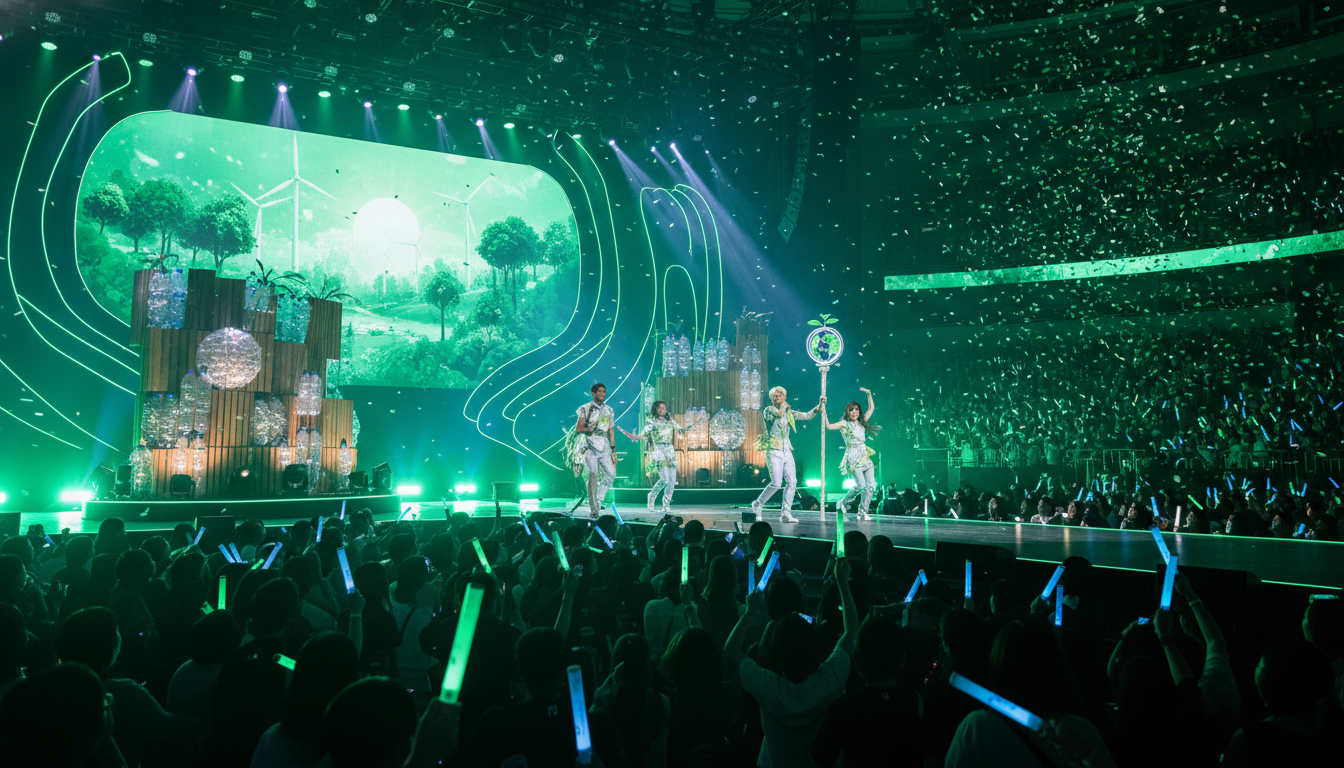
In the vibrant world of K-pop, where high-energy performances and elaborate stage setups captivate millions, a new trend is taking center stage in 2026: sustainability. As K-pop concerts continue to draw massive crowds across Seoul and global arenas, artists and organizers are increasingly prioritizing eco-friendly practices. This shift not only reflects the Korean music industry's commitment to environmental responsibility but also enhances the overall fan experience. From innovative green technologies to fan-driven initiatives, let's explore how K-pop concerts are going green while keeping the beats alive.
The Rise of Eco-Conscious K-pop Tours
K-pop's global dominance has led to larger-scale tours, but with that comes a significant environmental footprint. In 2026, major K-pop agencies are addressing this head-on. For instance, groups like SEVENTEEN and TWICE have incorporated sustainable elements into their tour logistics. Their recent world tours feature the use of electric buses for transportation between cities, drastically reducing carbon emissions compared to traditional fossil-fuel vehicles. This isn't just a trend; it's a strategic move influenced by Korea's national green policies, which emphasize carbon neutrality by 2050.
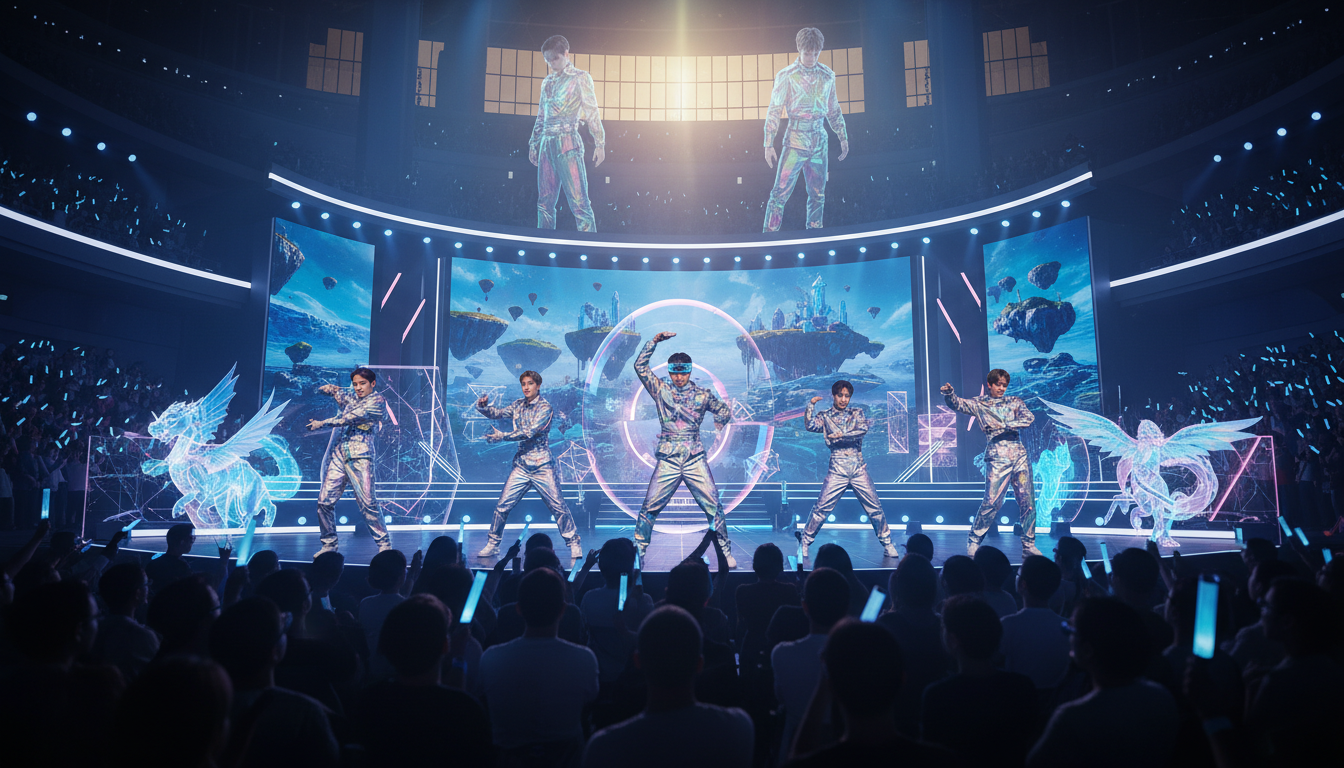
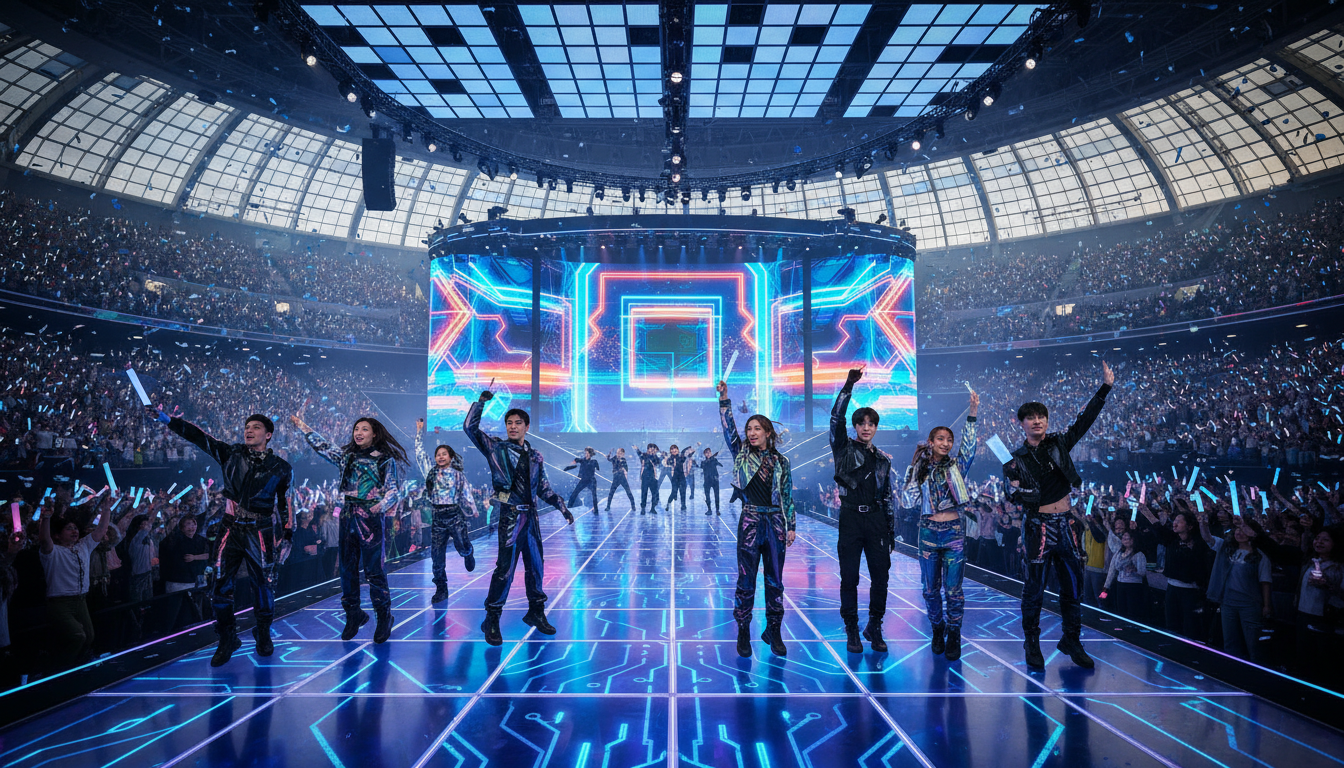
Moreover, concert venues in Seoul, such as the Olympic Stadium, are adopting solar-powered lighting systems. These systems not only power the dazzling LED displays that K-pop is famous for but also minimize energy waste. Fans attending these events often share their excitement on social media, using hashtags like #GreenKpopStage, highlighting how these changes make concerts more accessible and responsible. This evolution underscores the Korean pop culture's adaptability, blending entertainment with environmental stewardship.
Innovative Sustainable Practices in K-pop Performances
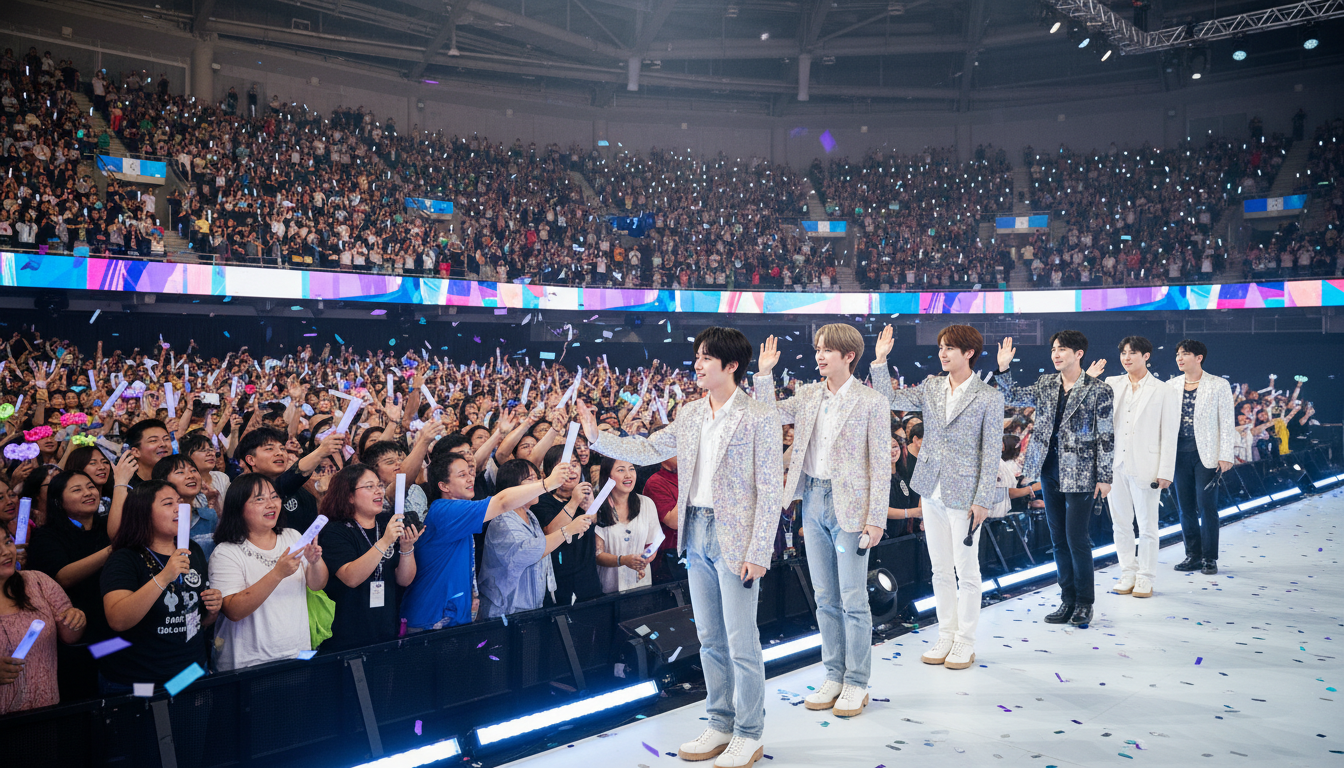
One of the most exciting aspects of K-pop concerts is the choreography and stage design, and in 2026, these elements are becoming more sustainable without losing their wow factor. Artists are opting for biodegradable confetti and props made from recycled materials. For example, during NCT's recent dome tour, they used plant-based foam for special effects, which decomposes naturally and reduces plastic waste. This practice not only aligns with the K-pop industry's push for greener productions but also educates fans on eco-friendly alternatives.
Water conservation is another key focus. At outdoor festivals like the annual K-pop Summer Blast in Incheon, organizers have implemented rainwater harvesting systems to supply water for stage effects and hydration stations. This initiative has been praised by fans and critics alike, proving that K-pop live shows can be both thrilling and thoughtful. By integrating these practices, K-pop artists are setting a benchmark for the global music scene, showing how entertainment can contribute to planetary health.
- Electric transportation for tours, cutting down on emissions.
- Solar-powered stages to reduce energy consumption.
- Biodegradable materials for props and effects.
- Rainwater harvesting for event hydration and effects.
- Fan engagement programs to promote recycling at venues.
Fan Involvement and Community Impact
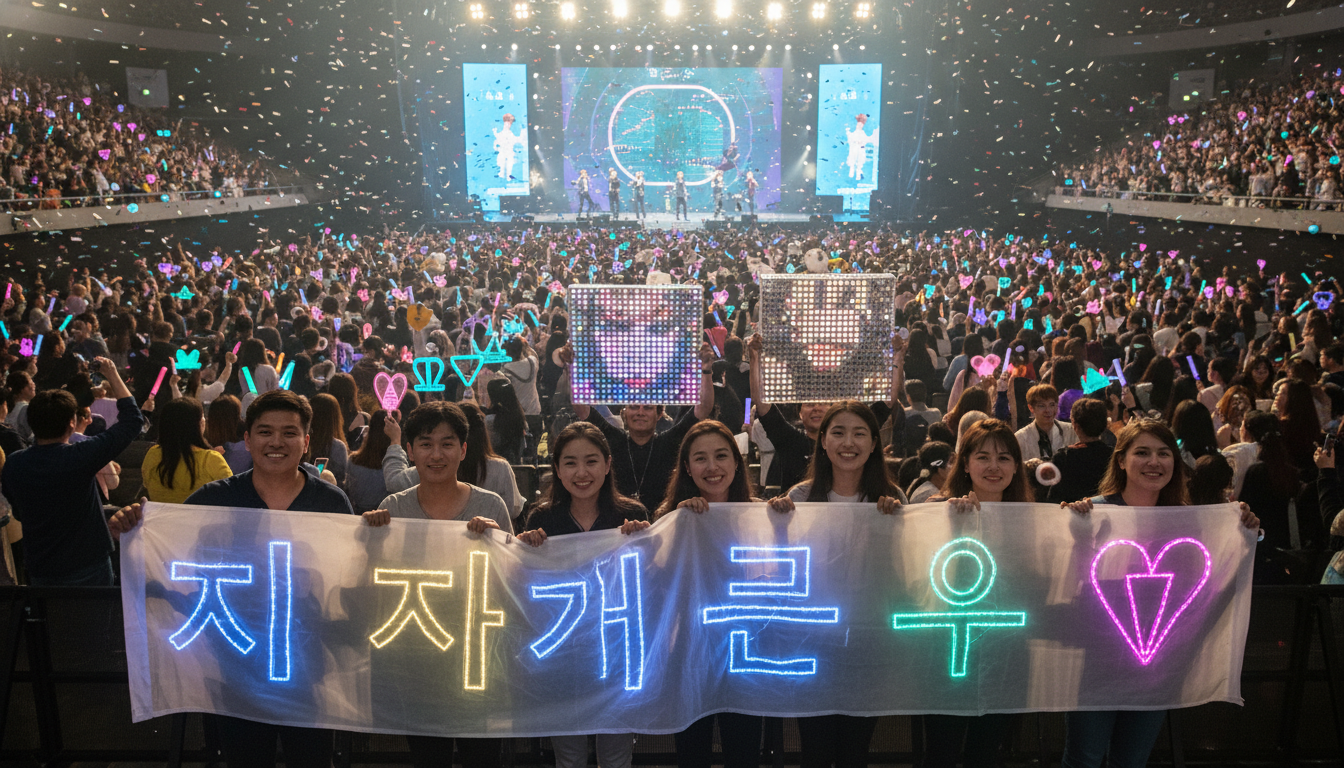
K-pop's dedicated fanbase, known as fandoms, plays a crucial role in this sustainable shift. In 2026, many groups are launching fan-led initiatives to make concerts greener. For instance, BLACKPINK's fan club organized a 'Zero-Waste Challenge' during their latest tour stops, encouraging attendees to bring reusable items and participate in on-site recycling drives. This not only fosters a sense of community but also amplifies the message of environmental awareness within Korean pop culture.
Additionally, virtual elements in K-pop concerts, amplified by the pandemic's legacy, are going green too. Live streams of concerts by artists like Stray Kids use energy-efficient servers, reducing the digital carbon footprint. Fans worldwide can join these events from home, decreasing the need for international travel and its associated emissions. This hybrid model is reshaping K-pop tours, making them more inclusive and sustainable while maintaining the electric atmosphere that defines K-pop live experiences.
Challenges and the Road Ahead for K-pop's Green Future
Despite these advancements, implementing sustainability in K-pop concerts isn't without challenges. High production costs for eco-friendly materials and technologies can strain budgets, especially for smaller artists or independent tours. In 2026, the Korean music industry is working with government subsidies and partnerships with green organizations to overcome these hurdles. For example, the Korea Creative Content Agency (KOCCA) has launched grants for concerts that meet specific sustainability criteria, helping to level the playing field.
Looking forward, the future of K-pop concerts lies in continuous innovation. As we move deeper into 2026, we can expect more artists to collaborate on global green tours, perhaps even co-hosting events with environmental NGOs. This could include themed performances that incorporate messages about climate change, further embedding sustainability into the fabric of Korean pop culture. By addressing these challenges, K-pop is not only preserving its allure but also leading by example in the entertainment world.
Conclusion: A Brighter, Greener Stage for K-pop
As K-pop concerts evolve in 2026, the integration of sustainable practices is proving to be a game-changer. From eco-friendly tour logistics to fan-driven initiatives, these efforts are ensuring that the magic of K-pop live shows endures for generations to come. By choosing green options, artists and fans alike are contributing to a healthier planet, all while enjoying the infectious energy of their favorite performances. In the ever-dynamic K-pop industry, sustainability isn't just a trend - it's the new rhythm of the future.