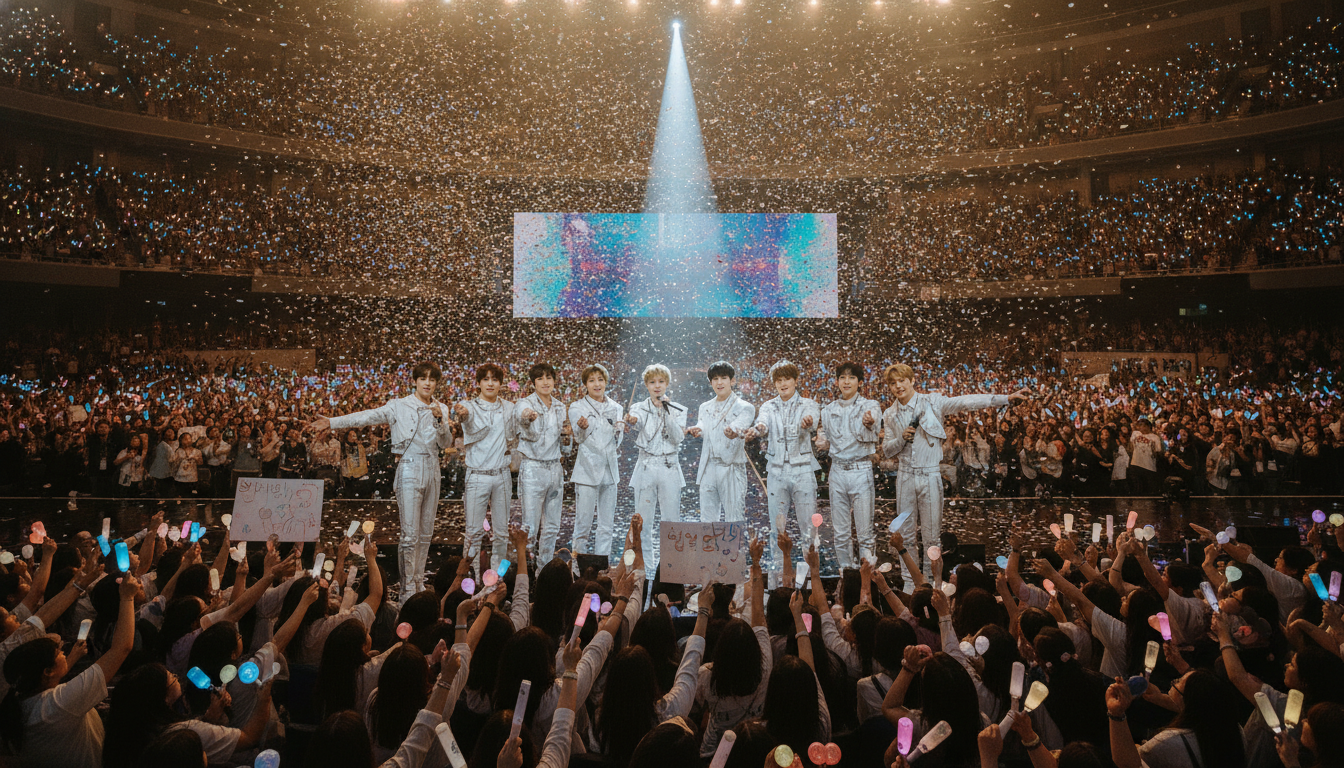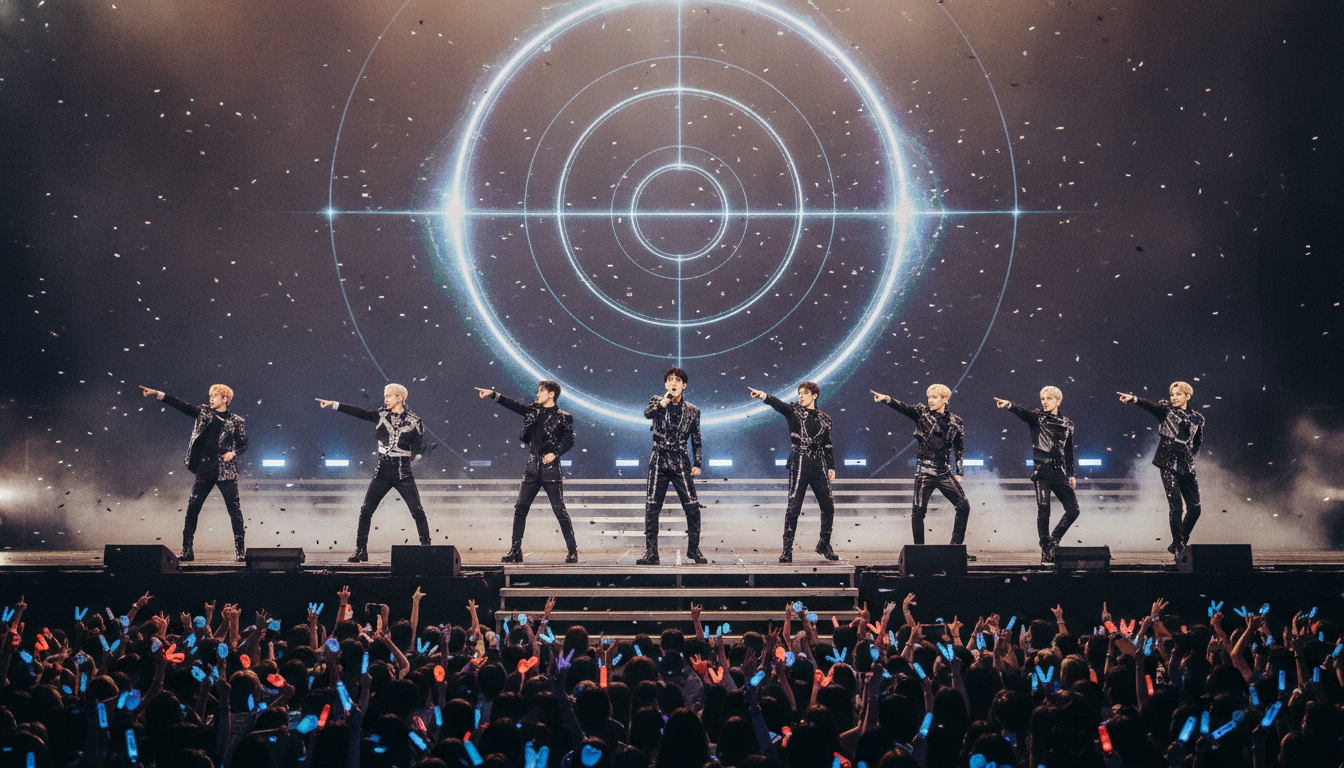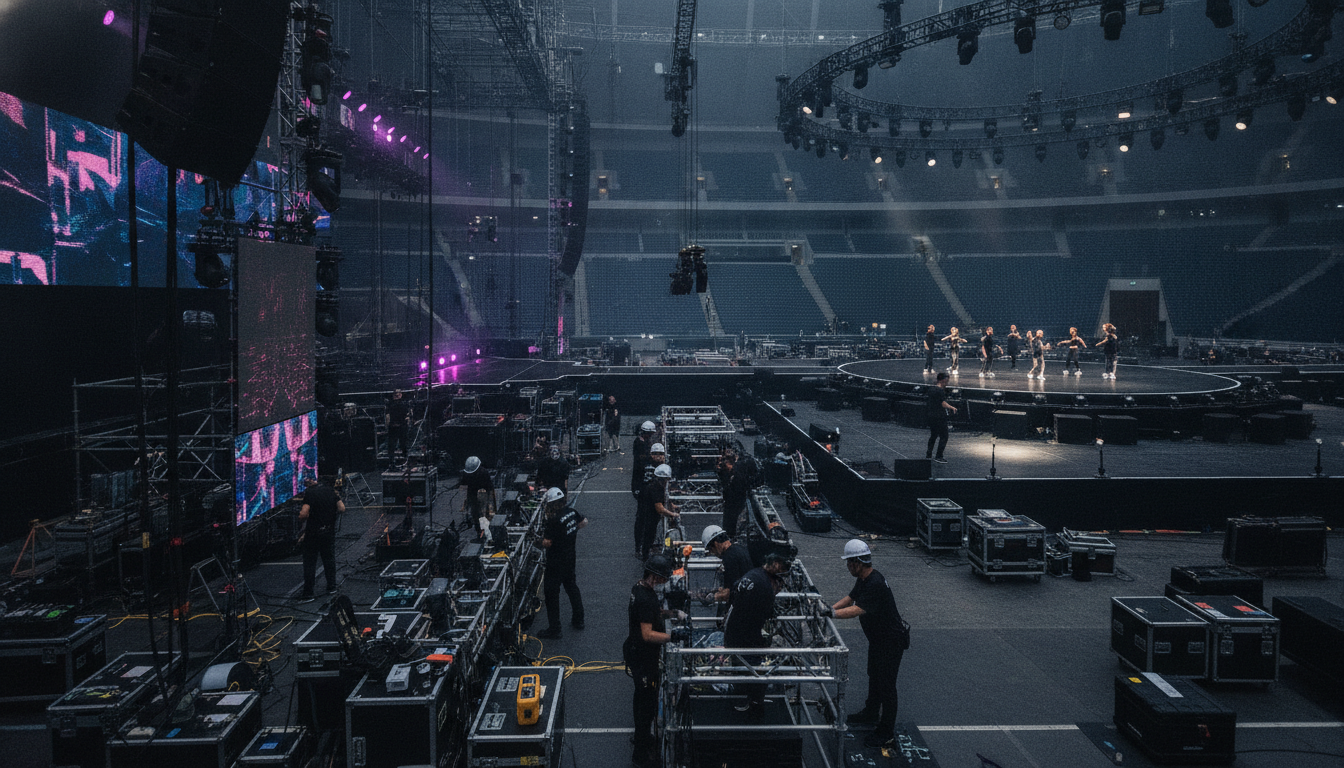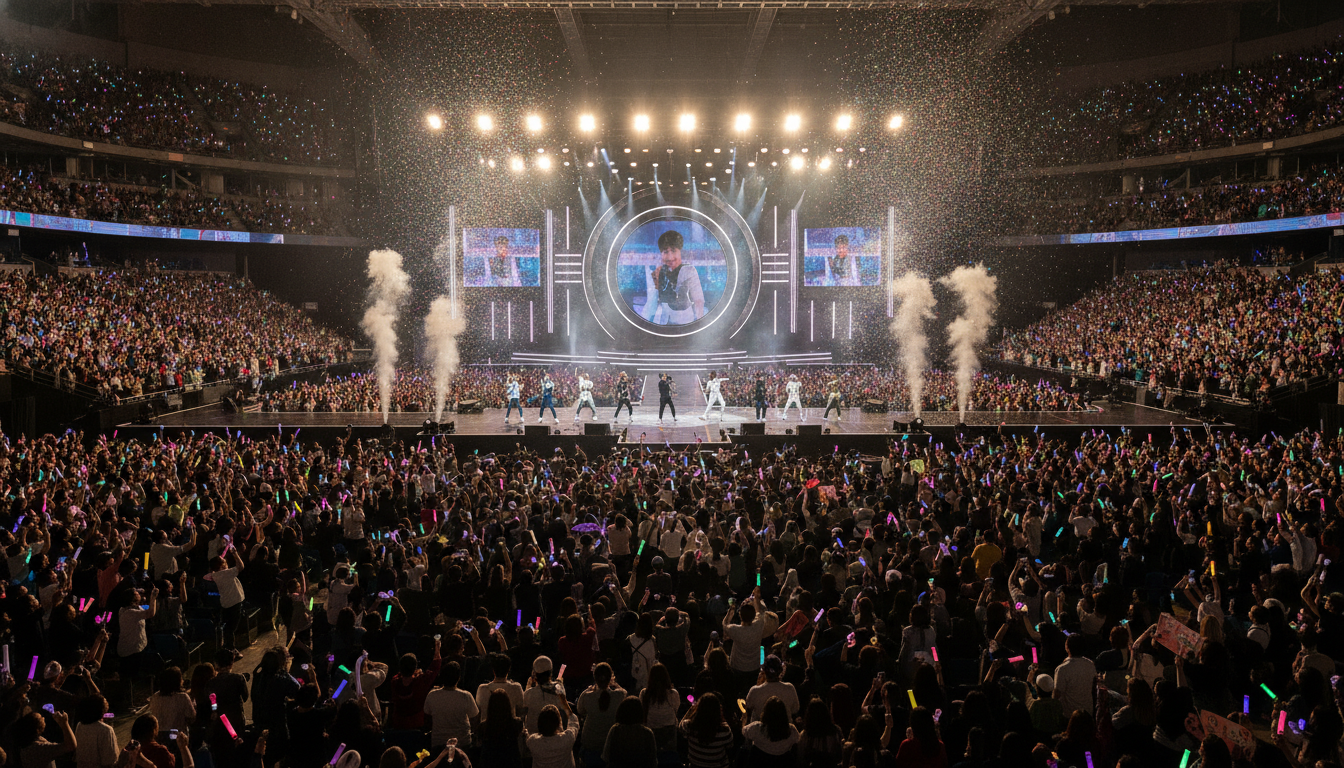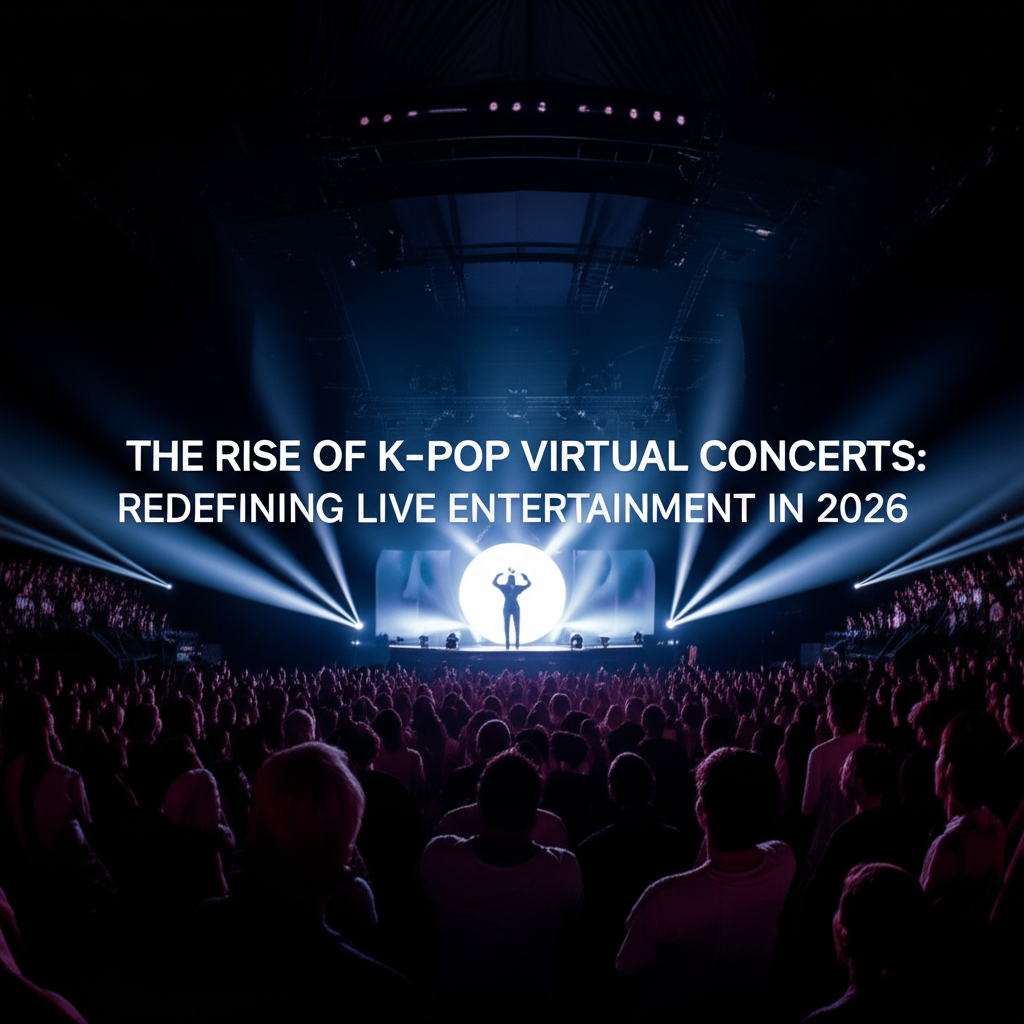
In the ever-evolving world of K-Pop, where innovation meets fan engagement, virtual concerts have emerged as a game-changer. As we step into 2026, the industry is witnessing a surge in digital performances that blend cutting-edge technology with the infectious energy of K-Pop idols. This shift not only addresses the challenges of global accessibility but also opens new avenues for creativity, making live entertainment more inclusive and immersive than ever before.
The Evolution of Virtual Concerts in K-Pop
K-Pop's journey into virtual spaces began as a response to the global pandemic in the early 2020s, but by 2026, it has transformed into a sophisticated art form. Early experiments with platforms like YouTube and Twitch have evolved into fully immersive experiences using virtual reality (VR) and augmented reality (AR) technologies. Groups like SEVENTEEN and TXT have pioneered this space, offering fans worldwide the chance to attend concerts from the comfort of their homes.
According to recent industry reports, virtual concerts now account for over 30% of K-Pop revenue streams, thanks to partnerships with tech giants such as Meta and Apple. This evolution has allowed artists to reach audiences in regions where traditional tours are logistically challenging, such as parts of Africa and South America. The result is a more democratized fan experience, where geography no longer limits access to live events.
Technological Innovations Driving the Trend
At the heart of this revolution are advancements in technology that make virtual concerts feel almost indistinguishable from real ones. High-fidelity streaming, interactive elements, and AI-driven personalization are key features. For instance, fans can now choose their virtual seat, interact with on-screen elements, or even influence parts of the performance through real-time voting.
One standout innovation is the use of haptic feedback suits, which allow users to feel the bass of the music or the energy of the crowd. Companies like Samsung and LG have integrated these into their VR headsets, making K-Pop virtual events a sensory feast. Moreover, blockchain technology ensures secure ticketing and exclusive merchandise drops, reducing scalping and enhancing fan loyalty.
- VR headsets provide 360-degree views of the stage.
- AR filters let fans overlay themselves into the concert visually.
- AI algorithms curate personalized setlists based on user preferences.
- Interactive chat features foster global fan communities in real-time.
These technologies not only enhance the viewing experience but also create new revenue opportunities, such as virtual meet-and-greets and exclusive digital content.
The Impact on Global Fan Communities
Virtual concerts have significantly strengthened global fan bases, turning K-Pop into a truly worldwide phenomenon. In 2026, fans from diverse backgrounds can connect over shared experiences, fostering a sense of unity. For example, a virtual concert by a rising group like ENHYPEN might attract viewers from over 100 countries, with live translations and subtitles breaking language barriers.
This accessibility has led to a boom in fan-generated content, where users share their virtual concert highlights on platforms like TikTok and Instagram. Such content often goes viral, further amplifying K-Pop's reach. However, this also raises questions about authenticity, as some fans prefer the raw energy of in-person events over digital simulations.
Challenges and Criticisms of Virtual Performances
Despite the excitement, virtual concerts are not without drawbacks. Technical glitches, such as lagging streams or compatibility issues, can detract from the experience and lead to fan frustration. Additionally, the environmental benefits of reducing travel for tours are offset by the high energy consumption of data centers powering these events.
Critics argue that virtual concerts might dilute the personal connection between artists and fans. In a survey conducted by the Korean Entertainment Association in early 2026, 45% of respondents expressed a preference for hybrid models that combine virtual and physical elements. Ethical concerns also arise, particularly around data privacy when fans engage in interactive features.
- High costs of entry for fans needing advanced hardware.
- Potential for cyber threats during live events.
- Over-reliance on digital platforms could marginalize less tech-savvy audiences.
- Balancing profitability with accessibility remains a key challenge.
Industry leaders are addressing these issues through initiatives like subsidized VR access for low-income fans and improved cybersecurity measures.
Future Trends and Predictions for 2026 and Beyond
Looking ahead, the integration of emerging technologies like the metaverse promises to take virtual concerts to new heights. By 2027, we might see fully customizable virtual worlds where fans can explore K-Pop themed environments even outside of live events. This could include virtual fan clubs, ongoing interactive stories, and collaborations with global artists from other genres.
In 2026, predictions from experts at Billboard and the International Federation of the Phonographic Industry suggest that virtual concerts will account for half of all K-Pop live events. This shift is likely to influence other music industries, with Western artists adopting similar models. As K-Pop continues to innovate, it sets a benchmark for how entertainment adapts to a digital-first world.
Ultimately, the rise of virtual concerts in K-Pop is more than a trend; it's a testament to the genre's adaptability and forward-thinking approach. By embracing technology, K-Pop ensures that its vibrant culture remains accessible and engaging for fans everywhere.
Conclusion: Embracing the Digital Stage
As we navigate 2026, the ascent of virtual concerts in K-Pop underscores a broader cultural shift towards digital innovation. This evolution not only enhances fan engagement but also paves the way for a more sustainable and inclusive music industry. Whether you're a die-hard fan or a casual listener, the virtual stage is here to stay, promising endless possibilities for the future of entertainment.