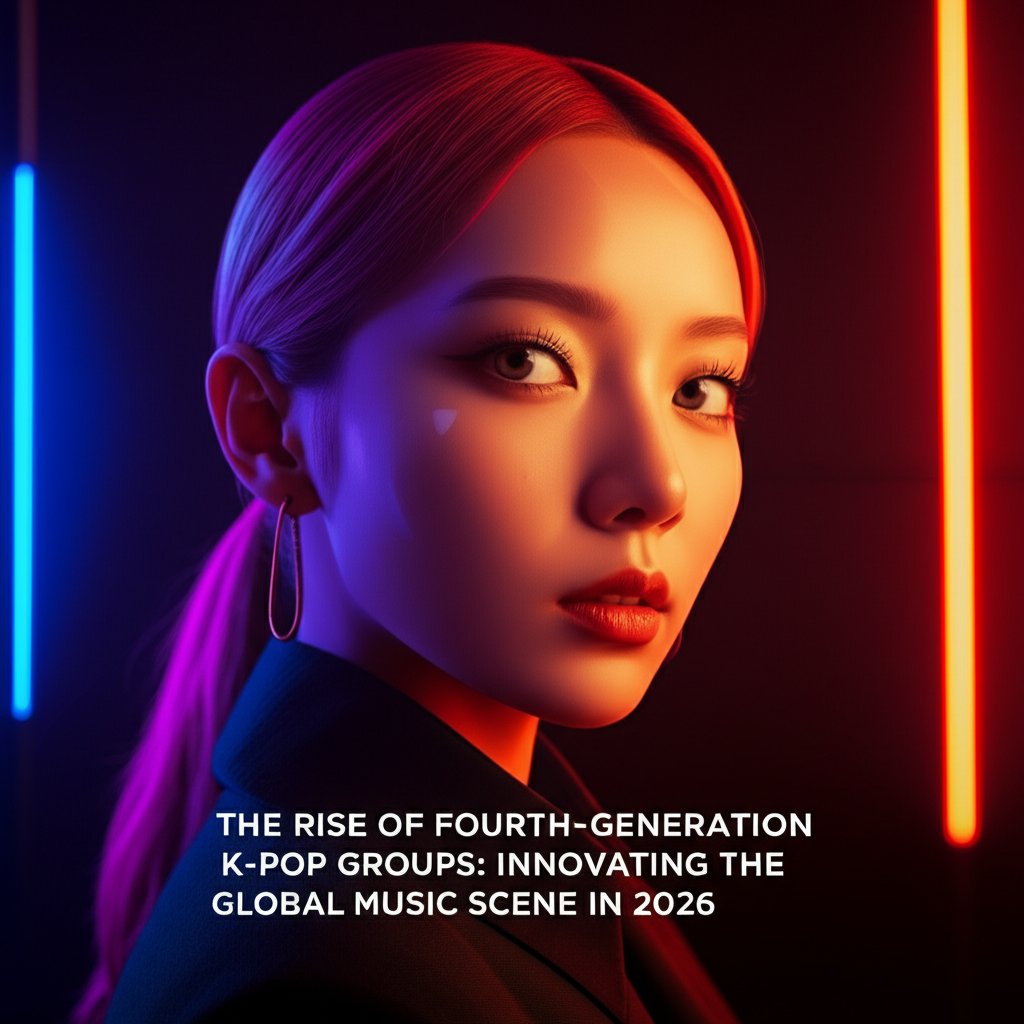
Introduction to K-Pop's Ever-Growing Influence
In the dynamic world of music, K-pop has emerged as a powerhouse, captivating audiences worldwide with its infectious beats, synchronized choreography, and vibrant aesthetics. As we step into 2026, the genre continues to evolve, shaping youth culture in profound ways. This article delves into how K-pop has transcended borders, fostering a sense of community and creativity among young people globally. While groups like BTS and BLACKPINK have played pivotal roles in this transformation, we'll explore the broader trends that define the scene today.
K-pop's appeal lies in its ability to blend genres, incorporate advanced technology, and engage fans through innovative platforms. From social media challenges to virtual collaborations, the industry is redefining how music connects with audiences. In this piece, we'll examine these elements without focusing on specific recent events, instead highlighting the sustainable growth and cultural exchange that K-pop promotes.
The Historical Roots of K-Pop
To understand K-pop's current stature, we must look back at its origins. Emerging from South Korea in the 1990s, K-pop combined elements of pop, hip-hop, electronic, and traditional Korean music. Over the decades, it has grown into a global phenomenon, thanks to strategic marketing and the internet's reach. By 2026, K-pop is no longer just a niche; it's a staple in international charts and festivals.
Early pioneers laid the groundwork for what we see today, emphasizing polished performances and fan interaction. This foundation has allowed K-pop to adapt to changing tastes, incorporating influences from around the world. For instance, the genre's emphasis on visual storytelling and high-energy performances has inspired a new generation of artists globally.
K-Pop's Role in Fostering Global Communities
One of the most remarkable aspects of K-pop is its ability to build inclusive fan communities. Fans, often called 'ARMYs' or 'Blinks' in reference to popular groups, form tight-knit networks that span continents. These communities engage in charitable activities, language exchanges, and creative projects, promoting unity and cultural understanding.
In 2026, social media platforms have amplified this effect, with fans creating content that celebrates diversity. K-pop groups often collaborate with international artists, blending styles and languages to create music that resonates universally. This cross-cultural exchange helps young people appreciate different perspectives, making K-pop a tool for global education and empathy.
- Enhanced fan engagement through online events and interactive apps.
- Promotion of multilingual content, encouraging language learning.
- Support for global causes, such as environmental awareness and youth empowerment.
By participating in these activities, fans not only support their favorite artists but also develop skills in digital literacy, teamwork, and social responsibility. This community-driven aspect sets K-pop apart, turning passive listeners into active participants.
Innovations in K-Pop Production and Technology
As technology advances, K-pop has embraced innovations to stay at the forefront. In 2026, virtual reality (VR) concerts and augmented reality (AR) experiences are commonplace, allowing fans to attend shows from anywhere in the world. This shift has made live entertainment more accessible, especially in regions where traditional tours are challenging.
Moreover, K-pop's production quality has soared, with state-of-the-art studios and AI-assisted composition tools. Artists experiment with genres like Afrobeat and Latin rhythms, creating fresh sounds that appeal to diverse audiences. This evolution ensures K-pop remains relevant and exciting, drawing in new fans while retaining its core identity.
- Integration of AI for personalized fan experiences and music recommendations.
- Use of sustainable practices in production, such as eco-friendly stage designs.
- Collaboration with tech companies to develop immersive fan apps.
These technological advancements have not only boosted the industry's profitability but also opened doors for aspiring musicians worldwide. K-pop's model of training and debuting new talents through entertainment companies has inspired similar systems in other countries, democratizing access to the music industry.
The Educational and Personal Development Benefits of K-Pop
Beyond entertainment, K-pop offers significant educational value. Fans often learn Korean language, dance routines, and cultural nuances through their engagement with the genre. This informal learning fosters personal growth, boosting confidence and creativity among youth.
For many, K-pop serves as a gateway to exploring Asian cultures, history, and social issues. It encourages critical thinking about representation in media and the importance of diversity. In schools, K-pop-inspired curricula are emerging, integrating music education with subjects like psychology and sociology to discuss fan psychology and group dynamics.
Additionally, the discipline required for K-pop idol training - such as rigorous practice and teamwork - instills valuable life skills. Young people emulate these traits, applying them to their own pursuits, whether in academics, sports, or personal hobbies.
Challenges and Future Directions for K-Pop
Despite its successes, K-pop faces challenges, including market saturation and the need for authenticity. In 2026, the industry is addressing these by prioritizing artist well-being and diverse representation. Companies are implementing better support systems to prevent burnout and ensure fair treatment.
Looking ahead, K-pop is poised to influence even more sectors, from fashion and beauty to gaming and esports. Its emphasis on visual appeal and storytelling could lead to cross-industry collaborations, further embedding it in global pop culture.
As we navigate 2026, the future of K-pop appears bright, with endless possibilities for innovation and impact. By continuing to evolve, it will undoubtedly shape the next generation of global citizens.
Conclusion: Why K-Pop Matters in 2026
In summary, K-pop's influence on global youth culture in 2026 is undeniable. Through community building, technological innovation, and educational benefits, it has become a force for positive change. While groups like BTS and BLACKPINK exemplify the genre's excellence, the true power lies in its ability to unite and inspire millions. As we move forward, K-pop will likely continue to break barriers, fostering a more connected and empathetic world.