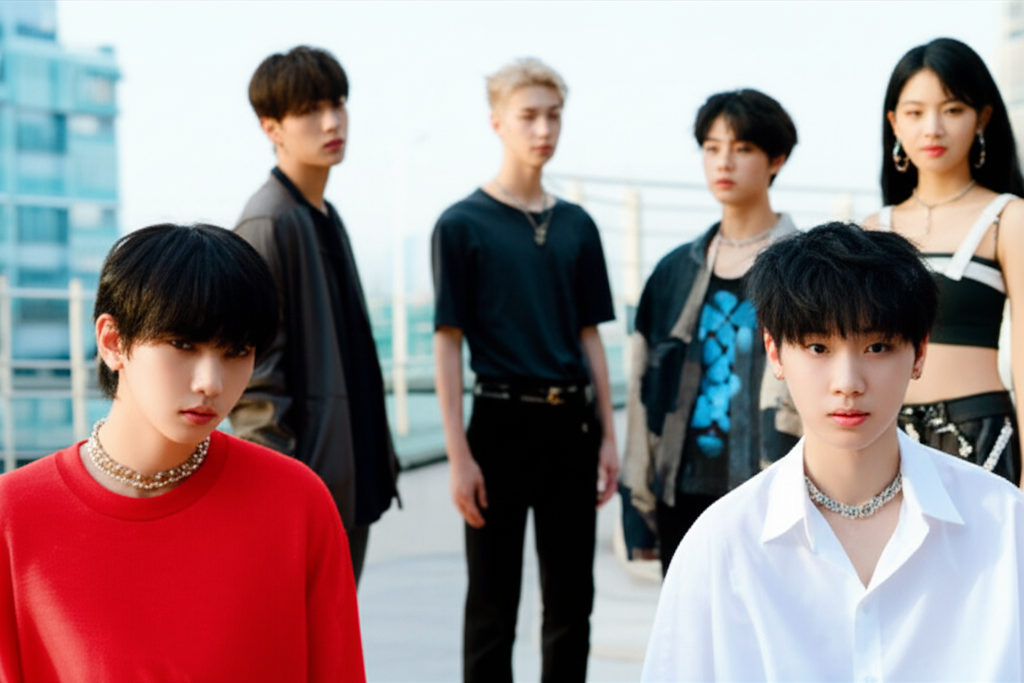
K-pop fashion has always been more than just clothes—it's how artists communicate their identity to the world. In 2026, BTS and BLACKPINK continue to shape what fans wear, what brands design, and how global fashion thinks about Korean pop culture. Their influence runs deeper than album sales or streaming numbers.
Where K-Pop Fashion Started
The industry looked very different in the 1990s. Groups like Seo Taiji and Boys wore matching outfits and performed choreographed routines, but the fashion was straightforward—nothing like what we see today. Over the past three decades, K-pop fashion has transformed into a mix of high-end designer pieces, streetwear, and Korean cultural elements that fans all over the world try to replicate.
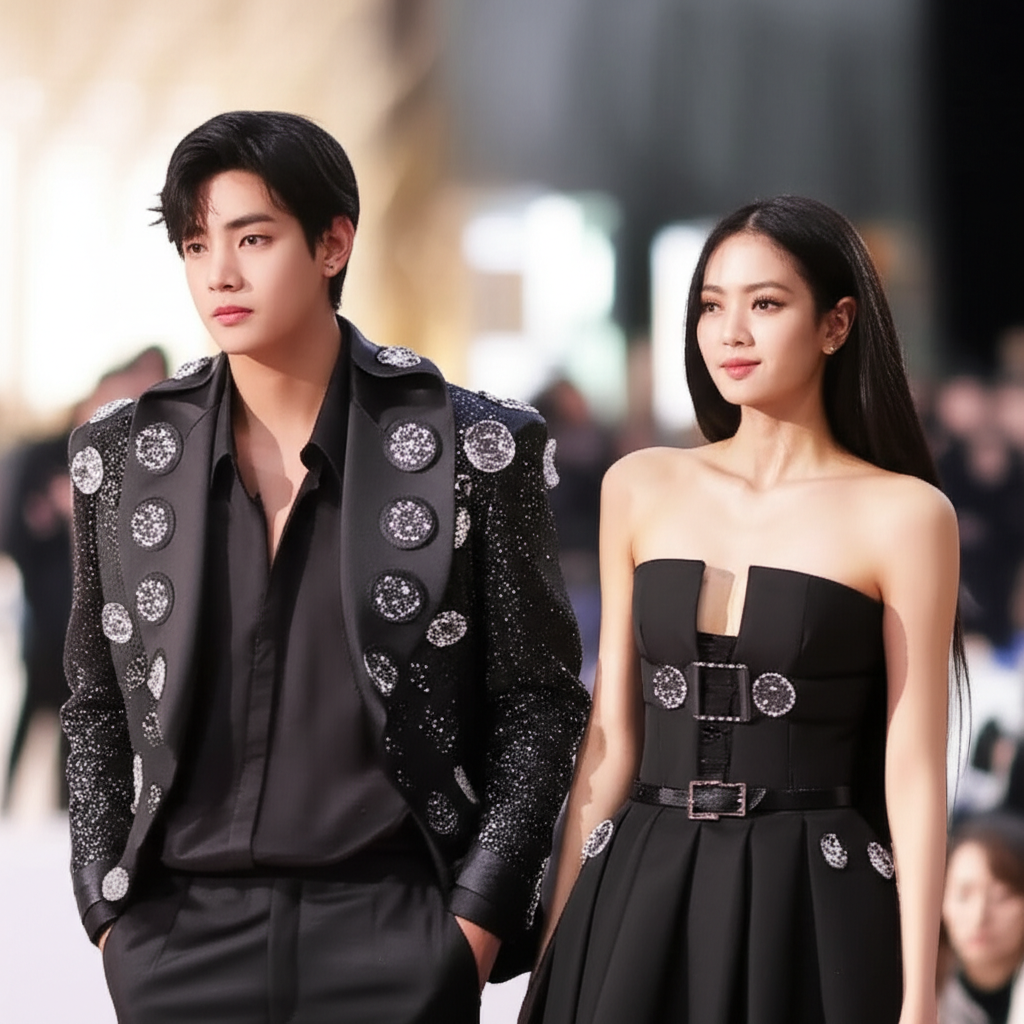
BTS and BLACKPINK now lead this evolution in very different ways. BTS experiments with clothing that blurs gender lines, wearing items that traditionally would have been labeled "for men" or "for women" without concern. Their choices have gotten attention at actual fashion weeks in Paris and Milan, where designers now watch K-pop award shows to spot upcoming trends. BLACKPINK takes the opposite approach—unapologetically glamorous, working directly with luxury houses like Chanel and Gucci to create red carpet moments that generate millions of social media shares.
BTS and the Streetwear Movement
BTS has become synonymous with a specific kind of casual, approachable style that fans can actually copy without spending thousands of dollars. Their look typically includes oversized hoodies, well-worn sneakers, and graphic tees featuring Korean text or meaningful lyrics. Members like Jungkook and Jimin have done collaborations with Adidas and Celine, and those pieces sell out within hours of release.
What makes their influence powerful is how fans interpret and remix these styles. I've noticed fans creating "BTS-inspired" wardrobes by mixing basic streetwear pieces with K-pop merchandise they've customized themselves. During award shows, when BTS wears themed outfits tied to their album concepts—such as the futuristic looks from their 2025 releases—fans immediately try to recreate elements using affordable alternatives. This has built an active DIY community within K-pop fan culture.
- BTS streetwear staples: oversized outerwear, graphic shirts with personal meaning, and sneakers from their brand collaborations
- Fan adaptations: customizing clothes with K-pop imagery, thrifting pieces that match member aesthetics
- International impact: Paris and New York fashion weeks now feature designers who cite BTS as direct influences
Sustainability has become part of their message too. BTS has spoken publicly about wanting eco-friendly options from the brands they work with, pushing the industry toward recycled materials and ethical production.
BLACKPINK's Luxury Dominance
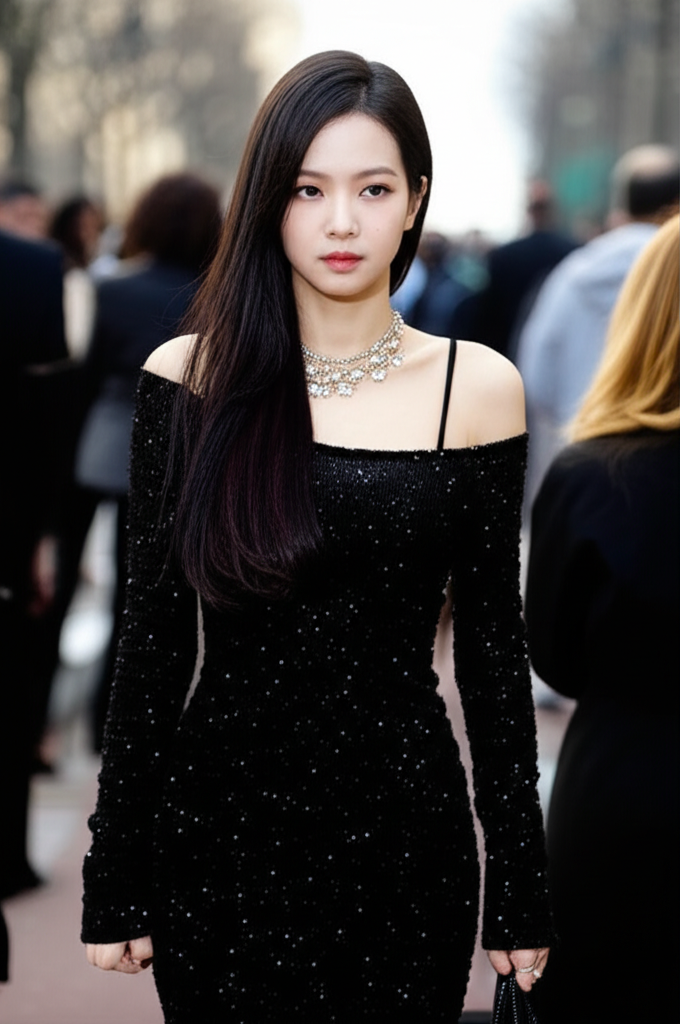
If BTS represents accessible fashion, BLACKPINK represents aspirational glamour. Jennie serves as a Chanel ambassador, Lisa fronts for Gucci, and Rosé has become the face of Yves Saint Laurent. These aren't honorary titles—their real outfits from music videos and appearances drive actual sales spikes for these houses.
Each member has a distinct fashion identity. Jennie favors vintage-inspired Chanel pieces that feel elegant yet modern. Lisa combines high-end luxury with edgier elements—think statement boots and bold accessories that appeal to younger audiences. Rosé has popularized a minimalist aesthetic that fans call "soft girl" style, featuring neutral colors and simple silhouettes.
What's interesting is how BLACKPINK bridges expensive fashion with everyday wearability. Their stylists often mix designer pieces with more affordable items, showing fans that you don't need a full designer wardrobe to capture their vibe. Some fans have gotten creative, finding dupes for BLACKPINK's expensive pieces or mixing thrift store finds with one statement luxury item.
- BLACKPINK's key looks: sequined stage outfits, structured dresses, and distinctive jewelry that becomes instant trend fodder
- Fan approach: combining one luxury piece with accessible basics to capture the BLACKPINK aesthetic
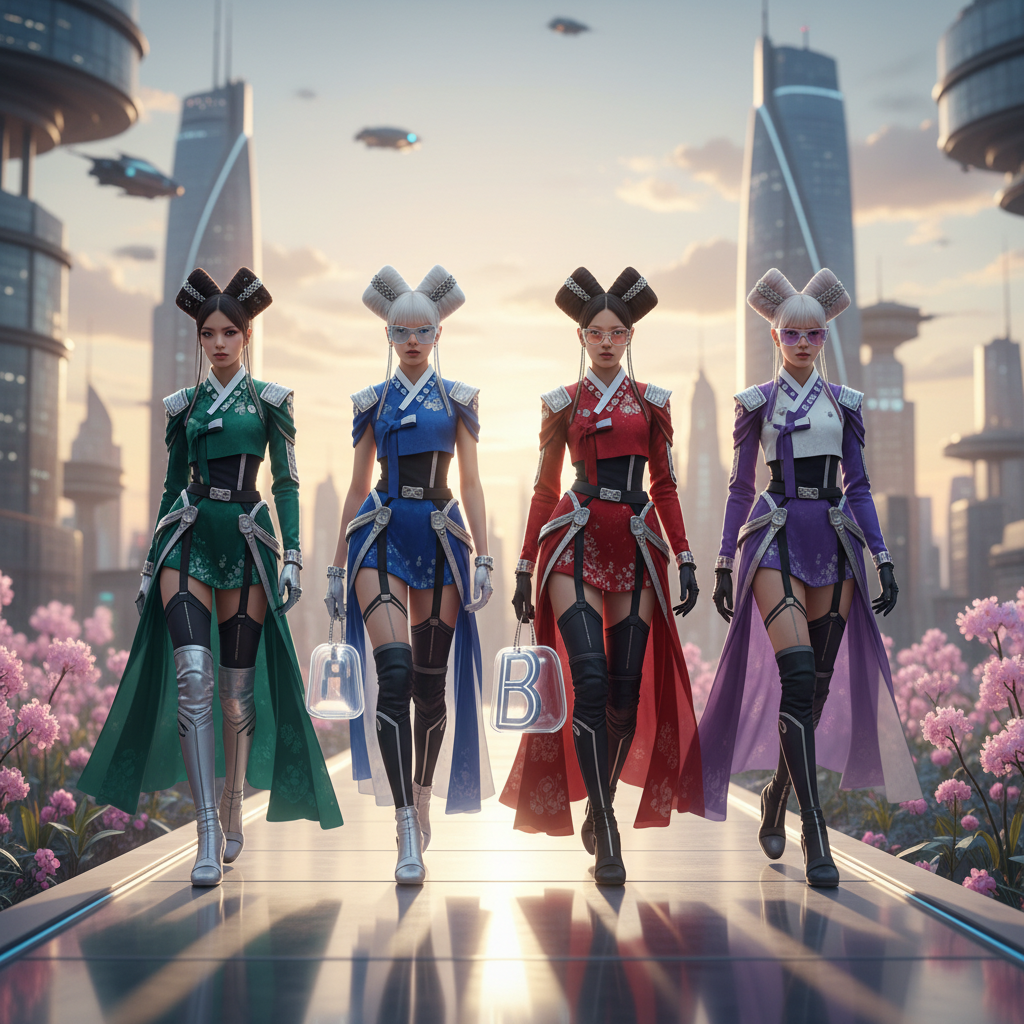
- Cultural blending: hanbok-inspired details appearing in modern luxury designs, like traditional ribbon techniques on contemporary dresses
How K-Pop Fashion Works Now
The business side of K-pop fashion has grown massive. Labels like HYBE and YG Entertainment employ entire teams of stylists specifically tasked with creating distinctive looks for their artists. These teams work months ahead of performances, coordinating with brands and sometimes commissioning custom pieces from designers. The investment makes sense—every outfit choice gets analyzed by millions of fans and can spark immediate shopping trends.
Technology has opened new possibilities too. Virtual concerts during the pandemic pushed artists to experiment with augmented reality costumes, and BTS and BLACKPINK have both used holographic outfits in digital performances. These pieces don't exist physically but look stunning on screen, and fans have responded enthusiastically to these futuristic approaches.
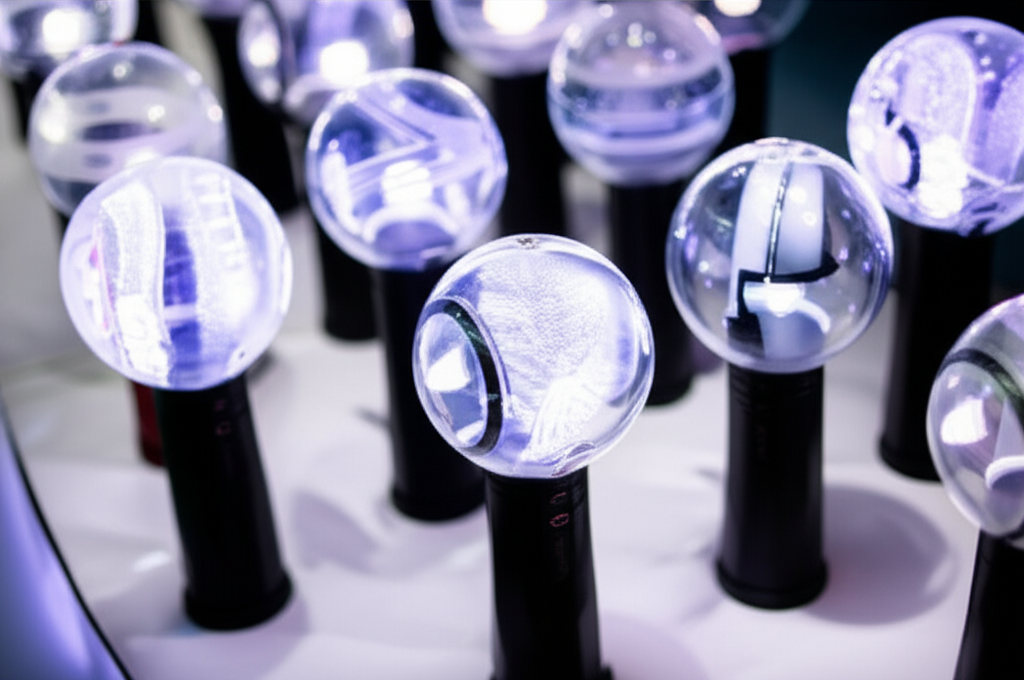
Merchandise remains huge. Limited-edition items like the jackets worn during specific performances can resell for several times their original price. This secondary market funds the industry and gives fans collectible items that hold value.
What's Coming Next
AI is starting to influence K-pop fashion. Some brands are experimenting with computer-generated outfit suggestions tailored to individual fan preferences, though this technology is still developing. Sustainability will continue mattering more—artists are increasingly selective about which brands they work with, preferring companies with genuine environmental commitments over those making superficial green claims.
The boundary between K-pop fashion and mainstream international fashion keeps blurring. We're seeing more collaborations between K-pop idols and Western designers, and runway shows now regularly feature K-pop-inspired elements. This isn't a passing trend—the industry has established itself as a legitimate force that major fashion houses take seriously.
2026 Update
In early 2026, BTS announced a partnership with a sustainable denim brand for their upcoming tour, with all merchandise made from recycled materials—a direct response to fan requests for eco-conscious options. BLACKPINK's Lisa launched her own fashion line in collaboration with a Korean designer, combining luxury aesthetics with streetwear sensibilities that sold out globally within 48 hours.
The fashion influence of BTS and BLACKPINK shows no signs of slowing down. They've proven that K-pop isn't just about music—it's a cultural force that changes how people around the world think about style, identity, and what it means to be fashionable in the modern era.