The Growing Focus on Mental Health in K-Pop
In 2026, the K-Pop industry keeps changing. It's not just about music and performances anymore—it's also about how groups handle mental health, a topic that used to get ignored. K-Pop idols have always dealt with tough schedules, endless scrutiny, and the pressure to look perfect. But things are shifting. More groups and agencies are putting mental well-being first, using their fame to speak up for mental health. It's making a real difference for fans around the world.
The conversation about mental health in K-Pop got serious after some really sad losses and public struggles from beloved idols. Now, in 2026, the industry is actually doing something about it. Mental health isn't a taboo subject anymore—it's a priority. Here's how groups and their companies are pushing for change.
Idol Groups Speaking Out: Breaking the Stigma
K-Pop idols are using their voices in powerful ways. In 2026, several big groups have opened up about their own battles with anxiety, depression, and burnout—and fans are listening. GOT7 members recently joined online campaigns, sharing messages about self-love and telling fans it's okay to ask for help. Their honesty sparked huge conversations on X and Instagram, with hashtags like #MentalHealthMatters trending worldwide.
Red Velvet worked with mental health organizations in South Korea to promote resources for young adults. In a recent interview, they talked about taking breaks and getting professional support—a message that fits their music, which often deals with healing and self-acceptance. These aren't just PR moves. They're part of a real effort to make mental health struggles less shameful in Korean pop culture.
Agencies Stepping Up: Policies and Support Systems
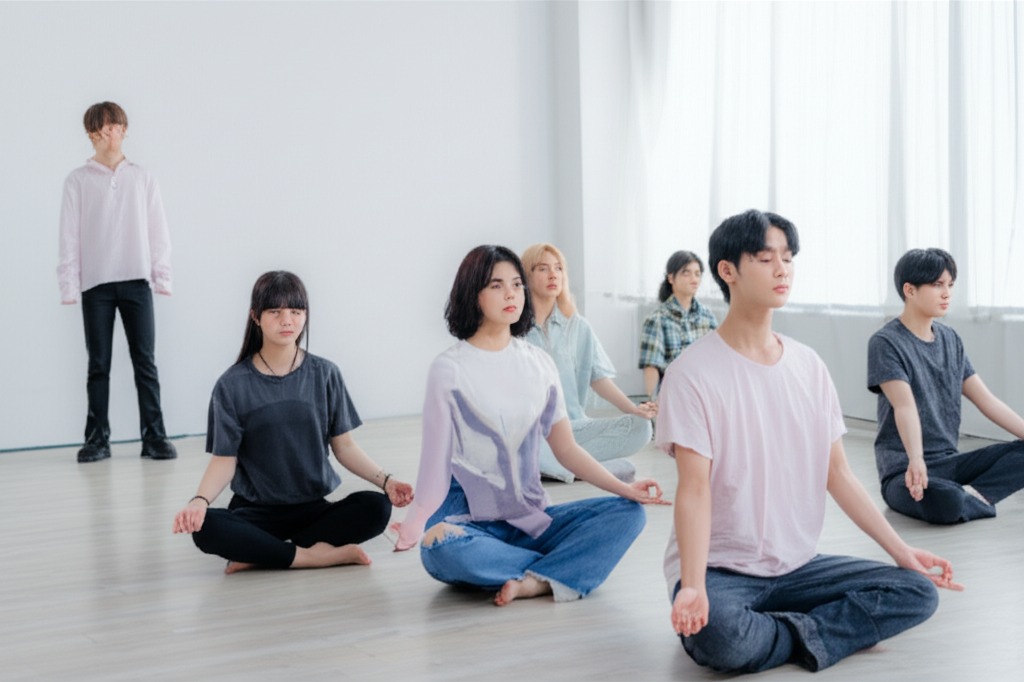
K-Pop agencies are also doing their part in 2026. Major companies like SM Entertainment and JYP Entertainment now require rest periods between comebacks and tours, giving idols time to recover. Some agencies even offer counseling services in-house—something that was rare just a few years ago.
HYBE, which manages several global acts, launched a mental health initiative that includes workshops for artists and staff. The goal is to teach everyone in the industry about managing stress and building emotional resilience. Fans have welcomed these changes, pointing out that healthier idols mean longer careers and better music. The shift in agency policies shows that fan pressure actually works.
Fan Communities as Pillars of Support
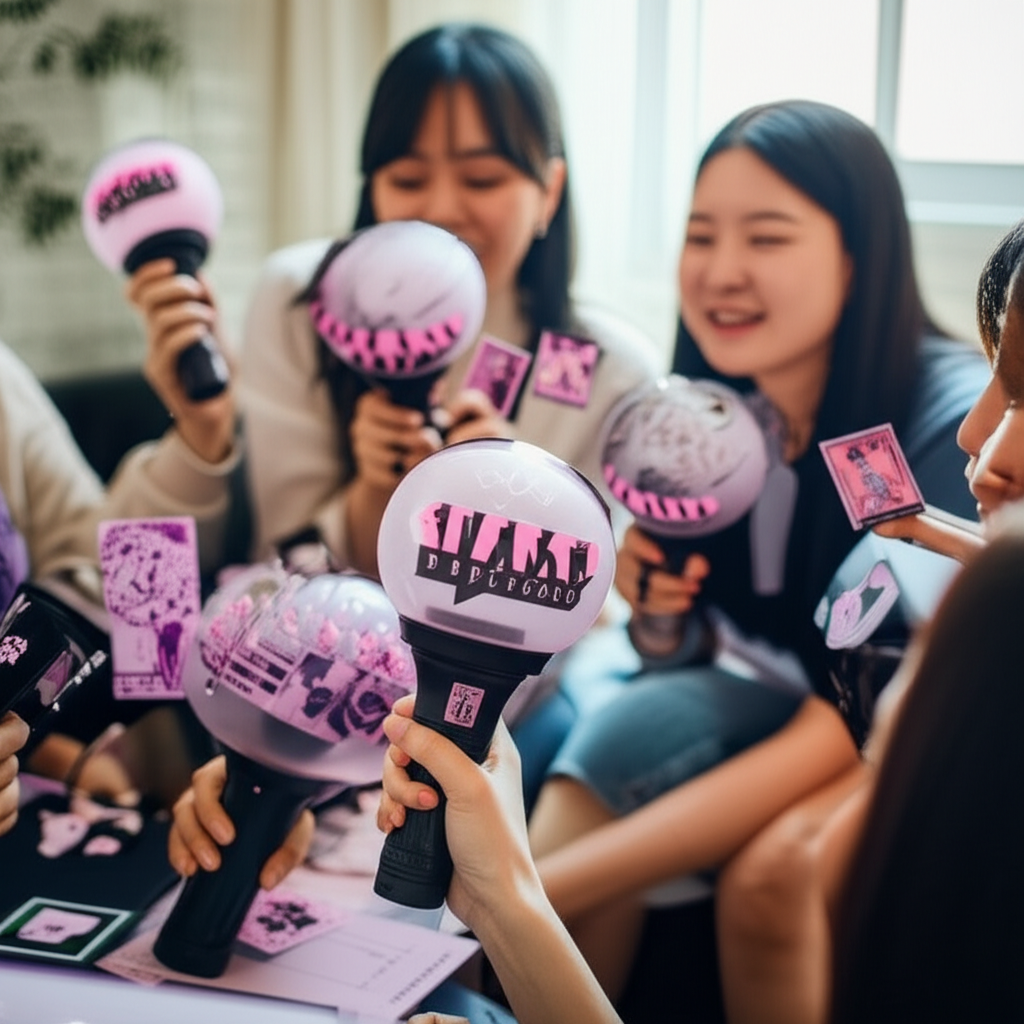
K-Pop fandoms have always been close-knit, and in 2026, they're more active than ever supporting mental health causes. Fans raise money for mental health charities in their idols' names, creating ripples of positivity. ARMY, for example, organized virtual events to discuss mental health, inspired by lyrics that often tackle self-doubt and perseverance.
Fans also use social media to create spaces where people can share their struggles without judgment. These platforms are full of fan art, motivational song quotes, and mental health resources. The community aspect of K-Pop goes way beyond entertainment—it's actually changing lives.
Concerts and Campaigns: Amplifying the Message
K-Pop concerts in 2026 are more than just talent shows—they're advocacy platforms. Many groups dedicate parts of their shows to mental health awareness, displaying helpline numbers on screens or giving speeches about getting help. These moments often move fans to tears, because sharing vulnerability creates a real bond between idols and audience.
Public campaigns backed by K-Pop stars are also growing. Partnerships with organizations like UNICEF Korea have idols participating in initiatives that promote youth mental well-being. These include public service announcements, charity singles, and social media challenges encouraging fans to take care of their mental health. The reach is massive—K-Pop's global influence puts these messages in front of millions.
Challenges and the Road Ahead
The progress is real, but problems remain. The K-Pop industry is still intensely competitive, and cultural stigmas around mental health in South Korea mean some idols don't feel safe speaking out. Others worry about backlash or career consequences. We need more education and systemic change.
Still, what happened in 2026 gives hope. Mental health could become a normal topic in K-Pop. As more idols and agencies join the movement, the industry might set an example for entertainment everywhere. Fans play a huge role too—by supporting these efforts and holding companies accountable.
Conclusion: A New Era for K-Pop
The K-Pop industry in 2026 shows that music and advocacy can work together. By tackling mental health directly, idol groups, agencies, and fans are building a more caring and sustainable environment. This shift helps artists and empowers millions of fans to take their mental health seriously. As K-Pop keeps dominating the global stage, its commitment to mental health advocacy means its impact goes way beyond catchy songs and impressive dances.
2026 Update
Since this article was first published, several additional K-Pop agencies have announced expanded mental health programs, including 24/7 counseling hotlines for artists. A few mid-sized companies have also unionized to advocate for better working conditions, something fans have been pushing for years.