Solana’s Growing Influence in the K-Pop Industry
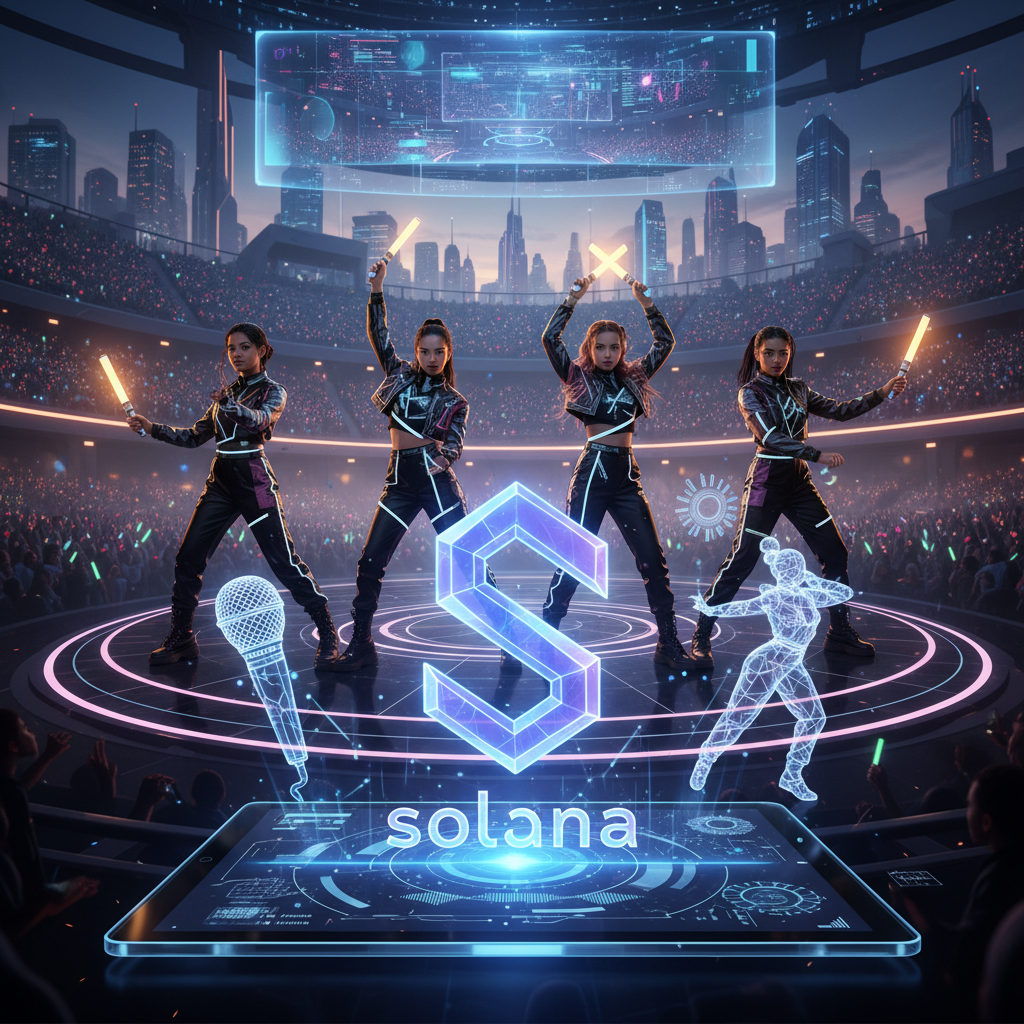
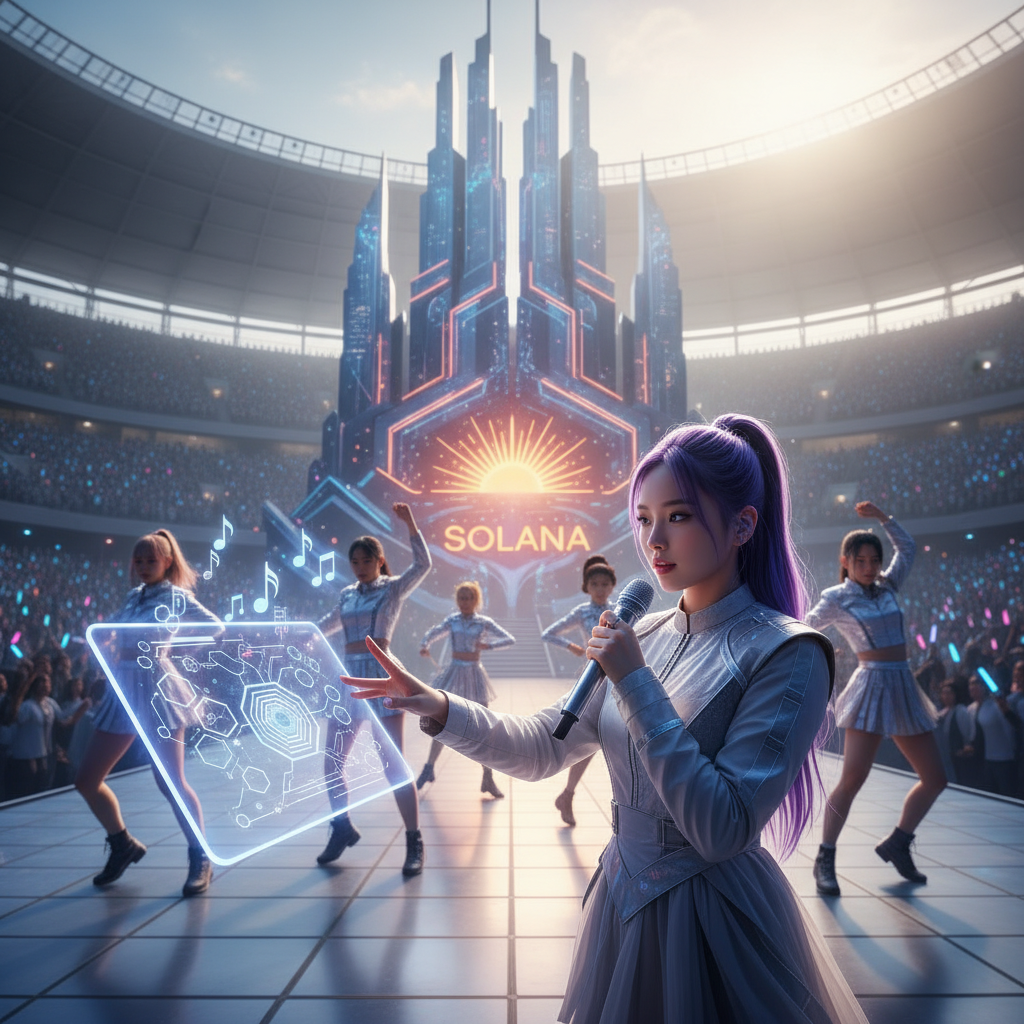
As we move deeper into 2026, the intersection of technology and entertainment continues to redefine the K-Pop landscape. One of the most groundbreaking developments is the integration of Solana, a high-performance blockchain platform, into the K-Pop ecosystem. Known for its scalability and low transaction costs, Solana is becoming a game-changer for K-Pop artists, agencies, and fans alike by offering decentralized platforms that prioritize creative freedom and direct engagement.
In an industry where artists often face constraints from traditional management structures and distribution models, Solana’s blockchain technology is paving the way for a more autonomous and artist-centric future. Let’s dive into how this innovative tech is reshaping K-Pop and empowering the stars we adore.
Decentralized Platforms: A New Era for K-Pop Creativity
Solana’s blockchain technology is enabling the creation of decentralized platforms where K-Pop artists can release music, interact with fans, and monetize their work without intermediaries. Unlike traditional systems where agencies and streaming platforms take significant cuts of revenue, Solana-powered platforms allow artists to retain more control over their earnings and creative output.
For instance, several up-and-coming K-Pop groups have started experimenting with Solana-based music release platforms in 2026. These platforms use smart contracts to automate royalty payments, ensuring transparency and fairness. Imagine a world where a rookie idol group can drop a single directly to fans, receive instant payments in cryptocurrency, and bypass the lengthy revenue-sharing processes of conventional systems. This is the reality Solana is building for K-Pop.
Case Studies: K-Pop Artists Embracing Solana
While major acts like BTS and BLACKPINK have yet to fully dive into Solana-based projects, smaller and mid-tier groups are leading the charge. One notable example is the rising boy group AETHER, who recently released an exclusive digital album on a Solana-powered marketplace. Fans purchased tracks using SOL, Solana’s native cryptocurrency, and received limited-edition NFTs (non-fungible tokens) as bonuses, including virtual meet-and-greet tickets and signed digital posters.
Similarly, solo artist Min-ji, formerly of a disbanded girl group, used a Solana platform to crowdfund her 2026 comeback. By offering NFTs tied to exclusive behind-the-scenes content and early access to her music video, she raised enough funds to produce her EP independently. These examples highlight how Solana is not just a tech trend but a lifeline for artists seeking financial and creative independence in the competitive K-Pop industry.
Fan Empowerment Through Solana’s Technology
Fans, the heartbeat of K-Pop, are also benefiting from Solana’s integration. Decentralized platforms allow for more direct and meaningful interactions between idols and their supporters. Fans can purchase digital collectibles, vote on certain aspects of a group’s projects (like comeback concepts or fan event themes), and even invest in an artist’s career through tokenized crowdfunding campaigns—all secured by Solana’s blockchain.
This level of engagement fosters a deeper connection. For example, during a recent Solana-powered fan event, supporters of the group VIVID were able to collectively decide the setlist for a virtual concert by using SOL to cast votes. This democratic approach is revolutionizing how K-Pop fandoms operate, giving fans a sense of ownership and influence over their favorite artists’ journeys.
Challenges and Future Potential
Despite its promise, Solana’s adoption in K-Pop is not without hurdles. The technology can be complex for non-tech-savvy artists and fans, and the volatility of cryptocurrency markets poses financial risks. Additionally, large K-Pop agencies like HYBE, SM Entertainment, and YG Entertainment have been slow to embrace decentralized models, likely due to concerns over losing control of their tightly curated artist brands.
However, as education around blockchain grows and Solana continues to refine its user-friendly tools, we can expect wider adoption. Industry insiders predict that by the end of 2026, at least one major K-Pop act will launch a significant project on a Solana platform, setting a precedent for others to follow. This could include anything from a full album drop with NFT bonuses to a global virtual tour ticketed exclusively through Solana’s blockchain.
Why Solana Stands Out in the K-Pop Tech Revolution
Solana isn’t the only blockchain in the game, but its unique features make it particularly suited for K-Pop’s fast-paced, high-volume industry. With transaction speeds far surpassing competitors like Ethereum (often processing thousands of transactions per second) and minimal fees, Solana is ideal for handling the massive fan interactions that K-Pop generates. Whether it’s millions of fans buying concert tickets or streaming a new release, Solana’s infrastructure can keep up with the demand without breaking the bank.
Moreover, Solana’s eco-friendly approach—consuming significantly less energy than other blockchains—aligns with the growing sustainability concerns of K-Pop fans and artists. As the industry faces increasing scrutiny over its environmental impact (think carbon-heavy world tours and physical album production), Solana offers a greener alternative for digital content distribution and fan engagement.
What’s Next for Solana and K-Pop?
As we look ahead in 2026, the partnership between Solana and K-Pop is only just beginning to unfold. Industry experts believe this collaboration could redefine how music is created, shared, and experienced in Korea’s pop culture scene. For artists, Solana represents a path to greater autonomy; for fans, it’s a chance to play a more active role in their idols’ careers.
While the road to mainstream adoption may be long, the seeds of change have been planted. Whether you’re a die-hard K-Pop stan or a curious onlooker, keep an eye on Solana—it’s poised to become a key player in the future of Korean entertainment. What do you think about this tech revolution in K-Pop? Are you ready to support your favorite idols through decentralized platforms? Let us know in the comments!