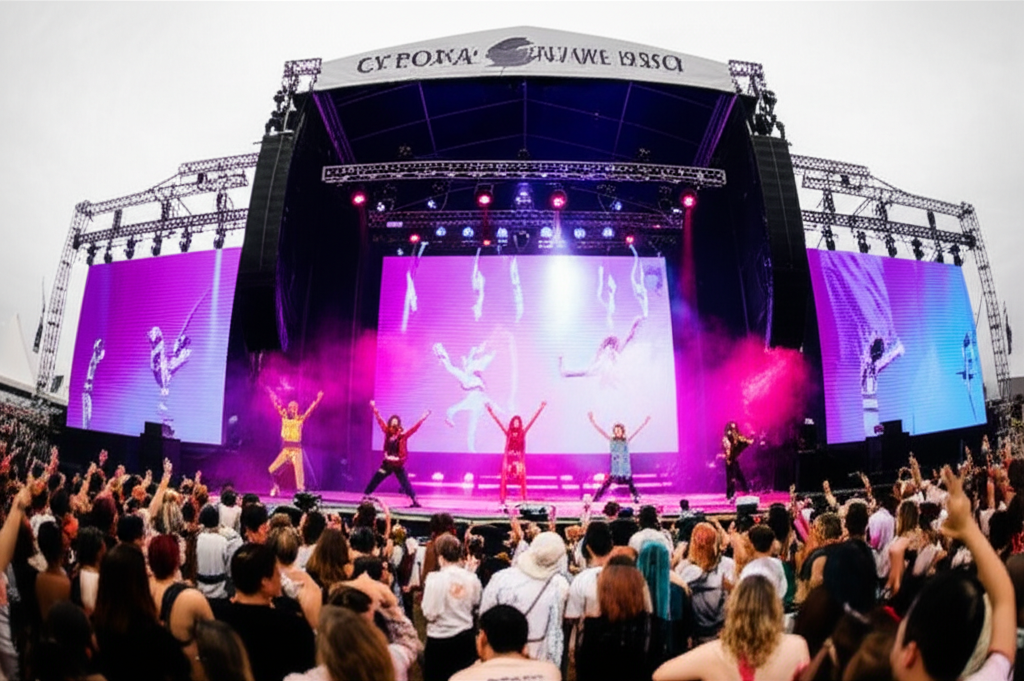
2026 has been a wild ride for K-pop fans. Since February, Korean pop acts have been teaming up with artists from around the world at a pace we've never seen before. These cross-border partnerships are creating sounds that blend everything from Latin pop to traditional Asian folk with that signature K-pop energy. It's changing how fans everywhere think about the genre.
Why K-Pop Artists Are Going Global
Collaborations have always been part of K-pop's DNA, but this year feels different. Agencies aren't just looking for quick hits—they're playing the long game. By partnering with artists from Latin America, the US, and Europe, K-pop groups are reaching audiences that would have been impossible to tap into a decade ago.
The digital tools available in 2026 make this so much easier. Streaming platforms and social media let artists connect instantly, and fans can immediately react to new releases. When a collaboration drops, it often trends worldwide within hours. That speed is pushing agencies to get more creative with their partnerships.
The Artists Driving This Wave
BTS and BLACKPINK remain at the center of it all. BTS has been focusing on music that tackles universal themes—loneliness, hope, connection—while keeping those elaborate performances fans love. Their recent collaborations lean into multilingual lyrics, making songs accessible to non-Korean speakers without losing their core sound.
BLACKPINK has taken a different approach, working with producers from emerging music scenes. They're blending their powerful vocals with fresh production styles, and it's paid off. Both groups are showing younger acts that you can go global without forgetting where you came from.
TWICE and SEVENTEEN are also getting in on the action. Recent releases featured guest appearances from European and American artists, and those tracks have been performing surprisingly well on charts outside Asia. It's opening doors for more acts to try the same thing.
What This Means for Korean Pop Culture
These collaborations are doing something unexpected: they're making Korean language and customs cool worldwide. Fans are learning choreography, copying fashion from music videos, and even picking up Korean phrases. The boundary between East and West is getting blurry, and music is the bridge.
For the business side, it's been a gold rush. Joint albums with international labels mean more streaming revenue, sold-out world tours, and endorsement deals that span multiple countries. Multilingual releases aren't just a creative choice anymore—they're a financial necessity.
- Fan engagement has reached new levels, with global audiences participating in releases together.
- International tours are selling out faster as groups bring their collaborative tracks to live audiences.
- Production is getting more experimental, mixing traditional K-pop elements with sounds from everywhere.
- Content is becoming more diverse, appealing to listeners who never gave K-pop a chance.
- Artists are building real relationships with international peers, not just one-off features.
What Could Go Wrong
It's not all smooth sailing. Some fans worry that too many collaborations will water down what makes K-pop special. The groups themselves are pushing back on this—they want creative control, not just a feature on someone else's song. Agencies are listening, which is why artists have more say in how these partnerships shape up.
Legal stuff across borders is a headache. Contracts, royalties, scheduling—it's complicated. But the potential payoff makes dealing with the paperwork worth it.
The younger groups watching BTS and BLACKPINK are taking notes. Collaboration is no longer optional; it's becoming the default strategy for anyone who wants to grow their career.
How Fans Are Responding
Social media has been chaotic—in the best way. Fan art, covers, speculation about who's working with whom—it's all happening at once. When a major group announces a collaboration, it trends globally within hours. That kind of reach is unprecedented.
Fan communities have always been important in K-pop, but this year they've become essential. Their enthusiasm directly impacts how well collaborative projects perform, and agencies know it.
What's Coming Next
Virtual collaborations and hybrid events are opening possibilities that didn't exist a few years ago. Artists can now work together without being in the same room, and fans can be part of the experience from anywhere. This is just the beginning.
These partnerships show that K-pop can adapt and thrive no matter what. By working with artists worldwide, the genre is creating connections that go beyond music. The next big collaboration could come from anywhere—and that's what makes this moment so exciting.
2026 Update
Just weeks after this article was first published, several major collaborations announced for early 2026 have already broken streaming records. The momentum shows no signs of slowing down, with more groups confirming joint projects through the rest of the year.