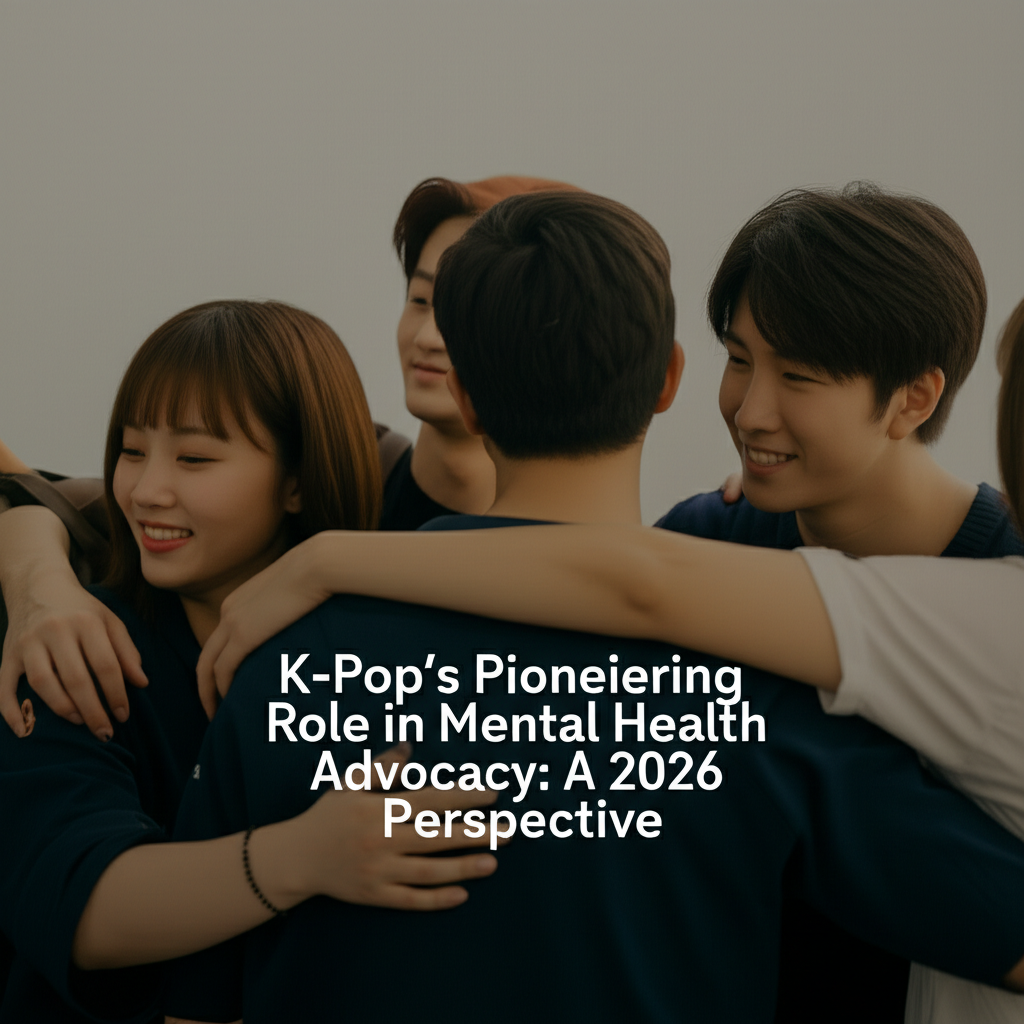
In the fast-paced world of K-Pop, where idols captivate millions with their performances, a quieter revolution is unfolding - one centered on mental health advocacy. As we step into 2026, the industry is increasingly using its global platform to address mental well-being, drawing from personal stories and innovative campaigns. This shift not only highlights the human side of K-Pop stars but also sets a precedent for how entertainment can foster positive change worldwide.
The Evolution of Mental Health Discussions in K-Pop
Over the past decade, K-Pop has transformed from a niche genre to a global phenomenon, but with fame comes intense scrutiny. In 2026, artists are openly sharing their struggles, breaking the stigma that once surrounded mental health in South Korea and beyond. For instance, initiatives like anonymous support hotlines and public service announcements have become staples in fan events, encouraging fans to prioritize their mental health.
This evolution can be traced back to key moments, such as when prominent groups began incorporating mental health themes into their lyrics and music videos. These efforts have educated fans about issues like anxiety and depression, making K-Pop a beacon for vulnerable youth globally. By 2026, this has led to collaborations with mental health organizations, amplifying the message through social media campaigns that reach billions.
Impactful Campaigns and Artist Initiatives
Leading the charge are various K-Pop artists who have launched personal initiatives to support mental health. For example, emerging groups have partnered with international NGOs to create apps that offer counseling resources, tailored for young audiences influenced by K-Pop culture. These apps feature interactive elements like guided meditations inspired by K-Pop choreography, making self-care engaging and accessible.
Moreover, fan communities have played a pivotal role, organizing charity drives and awareness events. In 2026, these efforts have raised millions for mental health research, demonstrating how fandom can evolve into a force for good. A notable campaign includes virtual concerts where proceeds go directly to mental health funds, blending entertainment with advocacy in innovative ways.
- Virtual reality experiences that simulate calming K-Pop performances for stress relief.
- Workshops led by idols on emotional resilience, integrated into school curriculums worldwide.
- Collaborations with psychologists to develop fan-centric mental health guides.
The Global Reach and Cultural Influence
K-Pop's influence extends far beyond music, reshaping how mental health is perceived in diverse cultures. In 2026, countries in Europe and North America are adopting K-Pop-inspired mental health programs in schools, inspired by the genre's emphasis on emotional expression. This cross-cultural exchange has bridged gaps, showing how entertainment can universalize important conversations.
Studies from 2026 indicate that exposure to K-Pop content has increased empathy among young people, with fans reporting higher levels of emotional awareness. Governments are now partnering with K-Pop agencies to integrate these themes into public health strategies, highlighting the industry's role in global mental health advocacy.
Challenges Faced in the Advocacy Journey
Despite these advancements, K-Pop's mental health initiatives are not without challenges. The industry's demanding schedules and intense public pressure can exacerbate issues for artists themselves, leading to a need for internal reforms. In 2026, discussions around artist welfare have intensified, with calls for better contracts and mandatory mental health breaks.
Additionally, cultural differences pose barriers; for instance, in regions where mental health is still taboo, K-Pop's messages must be adapted sensitively. Critics argue that commercialization might dilute the authenticity of these efforts, but ongoing dialogues are working to address these concerns through transparent partnerships.
- Balancing celebrity endorsements with genuine support to avoid superficial activism.
- Ensuring accessibility for non-fans through multilingual resources.
- Combating online harassment that targets both idols and advocates.
Future Prospects and Lasting Legacy
Looking ahead in 2026, the future of K-Pop in mental health advocacy appears promising, with potential for even greater integration into everyday life. As technology advances, AI-driven tools powered by K-Pop themes could offer personalized mental health support, making it more interactive and effective.
The legacy of these efforts will likely inspire other entertainment sectors to follow suit, creating a ripple effect that promotes mental well-being globally. By continuing to innovate and collaborate, K-Pop is not just entertaining - it's healing and empowering the next generation.
Conclusion: A New Era of Empathy
As we reflect on K-Pop's role in mental health advocacy in 2026, it's clear that the industry has moved beyond mere entertainment to become a catalyst for change. This evolution encourages everyone, from fans to industry leaders, to prioritize mental health, fostering a more compassionate world. With ongoing commitment, K-Pop's influence will continue to shine as a beacon of hope and resilience.