K-pop has become a major force in global entertainment, and in 2026 its influence on regional music festivals is harder to ignore. The genre is showing up at events across Asia, Europe, and the Americas, changing how festivals think about music and culture. This piece looks at how K-pop artists are becoming part of these gatherings, why it matters, and what's driving the growth.
The Historical Roots of K-Pop at International Festivals
K-pop didn't jump straight to festival headliners. The genre built its international presence slowly, starting with the Hallyu wave in the early 2000s. Groups like TVXQ and Girls' Generation laid the groundwork by performing at smaller events, which eventually grew into the massive festivals we see today.
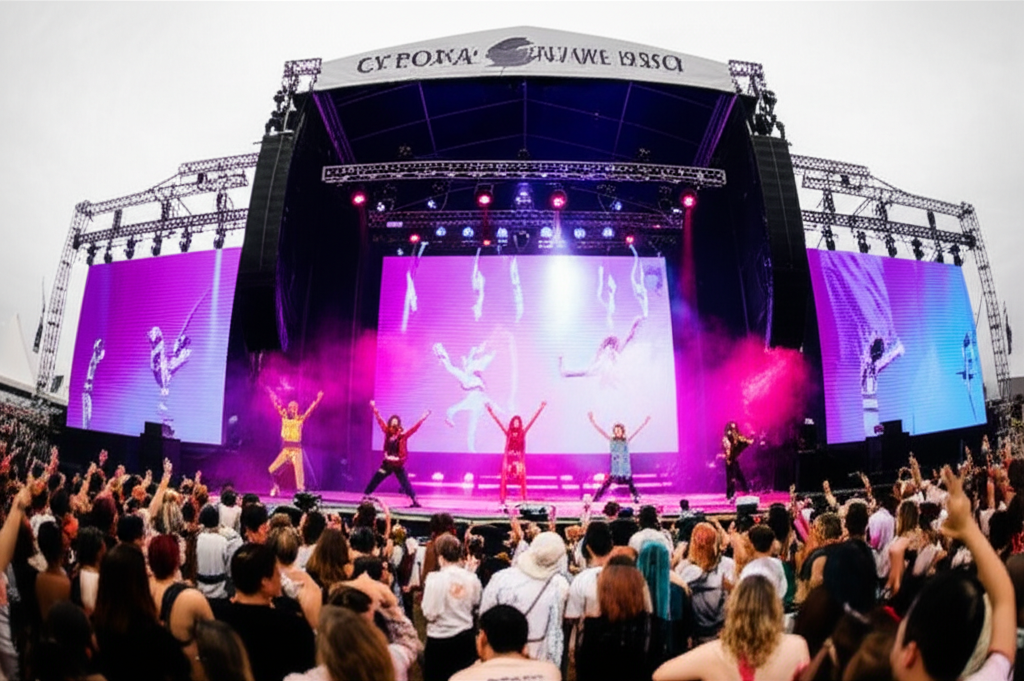
By 2026, the change is striking. KCON in Los Angeles draws tens of thousands, while Seoul's largest festivals have become models for blending K-pop with regional celebrations. These events feature more than concerts — they incorporate traditional Korean dance, hanbok-inspired costumes, and other cultural elements that audiences outside Korea rarely see. The Korean Entertainment Association reports that international festival appearances by K-pop acts increased over 150% since 2020, with stops in Thailand, Brazil, and Germany becoming regular parts of tours.
One example: at Summer Sonic Festival in Japan during 2026, K-pop groups performed songs that blended J-pop melodies with Korean production, creating something neither genre could make alone. That's the kind of collaboration happening across festival stages worldwide.
Spotlight on Emerging Trends in 2026 Festivals
The biggest shift in 2026 is how festivals mix in-person and online experiences. Technology has made it possible for fans in other countries to participate in real time. The Asia-Pacific Music Fest in Singapore streams K-pop sets with interactive features — viewers vote on song order, which changes what happens on stage. Millions tune in from home.
Environmental concerns are also shaping these events. The Seoul International Music Festival worked with K-pop agencies to cut waste: biodegradable stage materials, reusable cups, carbon-offset programs. SEVENTEEN and ITZY have spoken about these efforts during their performances, using their visibility to push fans toward greener choices.
- AR technology lets fans meet artists virtually, even across continents.
- K-pop idols team up with local musicians for one-off performances.
- Fans help decide festival themes, voting on aesthetics and playlist directions.
- Merchandise blends K-pop branding with regional designs, creating unique products that sell out fast.
These changes push K-pop labels to invest more in original content. The days of standard concerts are fading — festivals now demand themed sets, special collaborations, and fresh concepts.
The Economic and Cultural Impact on the K-Pop Industry
The money involved is substantial. Analysts project the global K-pop market will surpass $10 billion in 2026, with festival revenues accounting for a meaningful slice. The European K-Pop Expo in Paris brought in millions in tourism alone — hotels, restaurants, and local businesses benefited from the crowds.
Beyond economics, these festivals create cultural bridges. Attendees often leave wanting to learn Korean, try Korean food, or watch K-dramas. Language learning apps report spikes in Korean course signups after major festival dates.
The programming itself has grown more substantive. Panels at the 2026 Busan International Music Festival featured producers discussing representation in music videos, mental health awareness, and how K-pop lyrics tackle difficult topics. These conversations attract fans who connect with the music on a deeper level.
For audiences, the community matters. Social media builds anticipation for months before events. Hashtags like #KPOPFestival2026 trend worldwide. Fans organize dance covers, create fan art, and share playlists — some get featured at the festivals themselves, blurring the line between performer and attendee.
Challenges and Opportunities Ahead for K-Pop Festivals
Problems haven't disappeared. Ticket scalping remains frustrating, and some events have struggled with overcrowding. Organizers are trying blockchain-based ticketing to make sales fairer, and several K-pop agencies have built apps to manage entry, merchandise lines, and exclusive content access.
The future holds possibility. With the 2028 Summer Olympics approaching, there's talk of K-pop performing at opening ceremonies or related events. That kind of exposure could spark partnerships with athletes, film studios, and other entertainment sectors.
- More K-pop acts at Western festivals like Coachella and Glastonbury.
- Workshops teaching K-pop dance to beginners, tied to festival dates.
- International brands investing in K-pop events for access to young audiences.
- Smaller festivals focused on specific styles: ballad-heavy lineups, hip-hop acts, or indie K-pop.
The industry faces a balancing act — growing commercially while keeping the music authentic. Artists' well-being matters, and fans notice when things feel rushed or performative. The festivals that succeed will be the ones that respect both the business and the art.
A Bright Future for K-Pop and Festivals
2026 has become a turning point for how K-pop fits into regional music festivals. The genre brings real economic benefits to host cities, but more importantly, it creates spaces where different cultures meet. Fans leave these events with new interests, new connections, and a deeper appreciation for Korean music. The Korean Wave continues to grow, and it's showing up in more places than ever.
2026 Update
Since this article was written, the 2026 Busan World Music Festival added a dedicated K-pop stage for the first time, drawing over 40,000 attendees in its inaugural year. Early reports suggest more festivals are planning similar expansions for 2027.