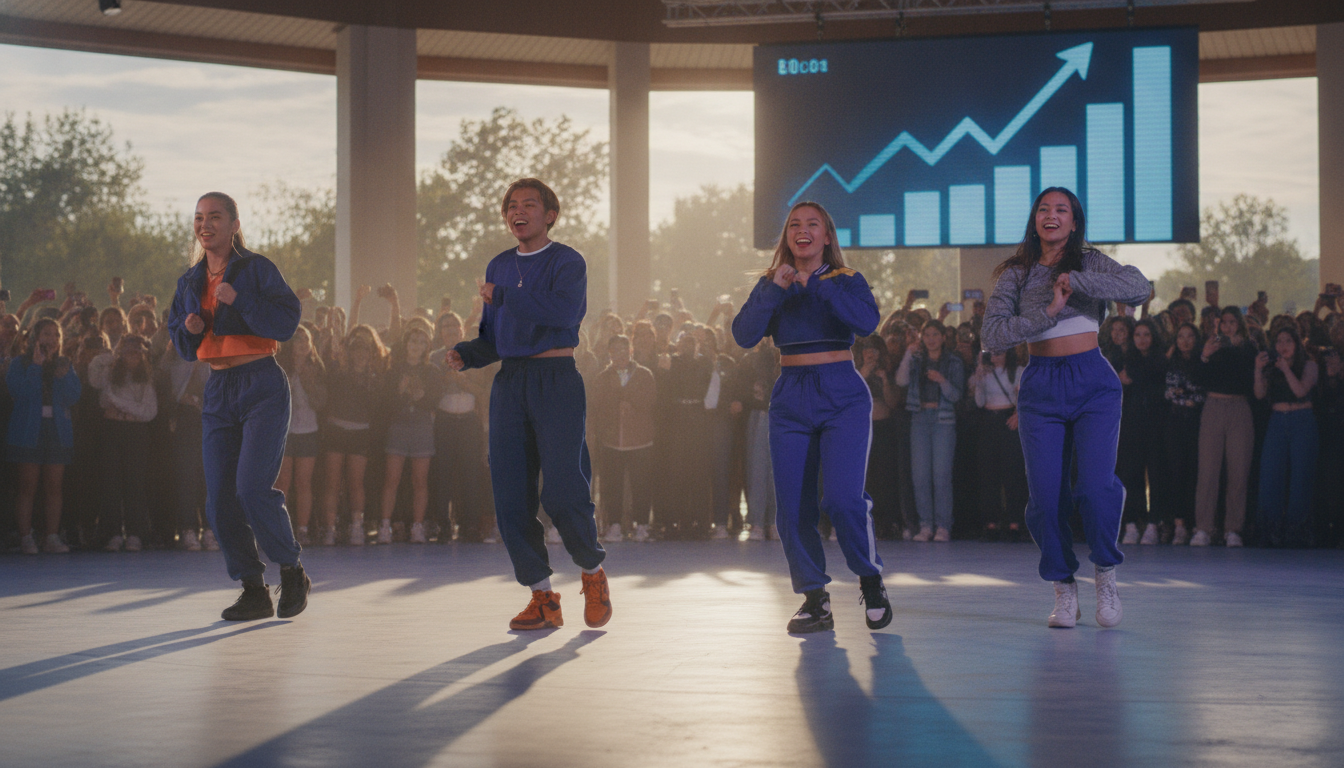
K-pop groups have traditionally ruled the charts, but in 2026, solo artists are commanding unprecedented attention. Korean soloists are not only thriving domestically, but they are also making substantial gains on international platforms such as Spotify’s K-pop chart and Billboard’s Global K-pop chart. This shift signals new tastes among global audiences and highlights the evolving dynamics within the K-pop industry.
Solo Artists Breaking Through Group Dominance
For years, acts like BTS, BLACKPINK, and TWICE have dominated music charts, especially on a global scale. Now, soloists including IU, Taemin, Somi, BIBI, and Crush are regularly appearing beside or above these groups on international lists. Fans are seeking unique voices and more personal artistic expression, and solo acts are meeting this demand.
IU has demonstrated this shift with "Sunrise Dream," holding the number 3 spot on Spotify’s K-pop chart for five straight weeks. Taemin’s "Phantom" and Somi’s "Vivid" have also reached the top ten, showing strong streaming numbers from listeners around the world. Meanwhile, BIBI’s "Lunar Eclipse" made a debut at number 7 on Billboard’s Global K-pop chart, and Crush’s "Wave" entered at number 11. These achievements reflect a growing appetite for solo-driven narratives and diverse music styles.
- IU: Continues to bridge poetic lyrics with modern production, reaching listeners across continents.
- Taemin: Known for creative choreography and cinematic sound, appealing to both fans and critics.
- Somi: Her synth-pop and R&B fusion on "Vivid" has made her one of the most streamed soloists in 2026.
- BIBI: Her experimental approach and collaborations with Western producers have broadened her global appeal.
- Crush: Excels with chill beats and soulful vocals, earning both chart success and industry respect.
While the Korean Gaon chart still leans group-centric, international charts are becoming the stage where soloists showcase their evolving artistry.
Why Soloists Are Succeeding Globally
Several factors are contributing to the surge of Korean soloists internationally:
- Artistic Freedom: Solo artists have greater control over their music and image. This creative autonomy allows experimentation with genres like indie pop, R&B, EDM, and hip hop, attracting a broader fanbase.
- Cross-border Collaborations: Many soloists are teaming up with international producers and artists, expanding their reach and diversifying their sound. For example, BIBI’s partnerships with Western acts have drawn attention from listeners outside Korea.
- Digital Engagement: Platforms like Instagram, TikTok, and YouTube allow soloists to connect directly with fans. Their ability to share behind-the-scenes content, personal stories, and live interactions builds loyal followings across borders.
- Authentic Storytelling: Solo releases often feature introspective lyrics and personal narratives, which resonate deeply with audiences who value authenticity and emotional depth.
This combination of creative freedom, global collaboration, and digital outreach has changed how K-pop soloists are perceived and consumed, making them attractive both to casual listeners and dedicated fans.
Chart Performance: Spotify and Billboard in 2026
- Spotify’s K-pop Chart: Soloists are consistently featured in the top 20. IU’s "Sunrise Dream" has become an international favorite, while Taemin and Somi have seen their latest works maintain a strong position among listeners outside Korea.
- Billboard Global K-pop Chart: Solo acts are gaining momentum by blending unique musical styles with relatable storytelling. BIBI’s "Lunar Eclipse" and Crush’s "Wave" are notable entries that have sparked conversations about solo artistry in K-pop.
- Local vs. Global: Despite remaining group-focused in Korea, charts abroad are increasingly open to solo acts. This reflects shifting tastes and the impact of digital streaming on breaking geographic barriers.
The numbers back up these trends. Solo artists are not only charting, but they are also sustaining their positions, showing real staying power in 2026.
Industry Impact: Agencies, Concerts, and Genres
The rise of soloists is influencing the Korean music industry in several ways:
- Agency Strategies: Entertainment companies are investing more in solo projects, recognizing their potential for international success. Solo debuts and comeback promotions are becoming more frequent, with tailored marketing campaigns aimed at global audiences.
- Concerts and Tours: Soloists are headlining more events and festivals worldwide, drawing fans eager to see individual artistry rather than group performances. Somi and IU, for example, have announced international tours featuring sold-out venues.
- Genre Expansion: The popularity of solo acts is pushing boundaries in K-pop, encouraging artists to explore genres beyond the traditional idol pop sound. Producers and songwriters are taking cues from global trends, resulting in more eclectic releases.
As agencies adapt strategies for soloists, the industry is seeing more innovation and readiness to support individuality.
The Future for Korean Soloists on International Charts
Looking ahead, Korean soloists are positioned to sustain their momentum. Streaming platforms are evolving, and social media is making it easier for artists to reach new audiences. Fans are showing strong support for music that feels authentic and personal, and agencies are backing creative projects at a higher rate.
The era of solo dominance is likely to continue, with artists such as IU, Taemin, Somi, BIBI, and Crush setting the example for future acts. Their success in 2026 suggests a lasting shift in K-pop’s global strategy, as both the music and marketing around soloists become more sophisticated and internationally minded.
Ultimately, the surge in Korean soloists reflects the genre’s adaptability and the growing demand for individual storytelling. International chart performances are no longer just a footnote, but a driving force shaping the direction of K-pop for years to come.