Looking at K-pop choreography in 2026, I'm struck by how far it's come from the synchronized moves of the 1990s. Today's routines blend athleticism, storytelling, and cultural flair into performances that feel more like moving art than pop music. From the high-energy group routines to the subtle facial expressions that convey deep emotion, dance remains central to what makes K-pop so compelling.
The Evolution of K-pop Dance: From Basics to Breakouts
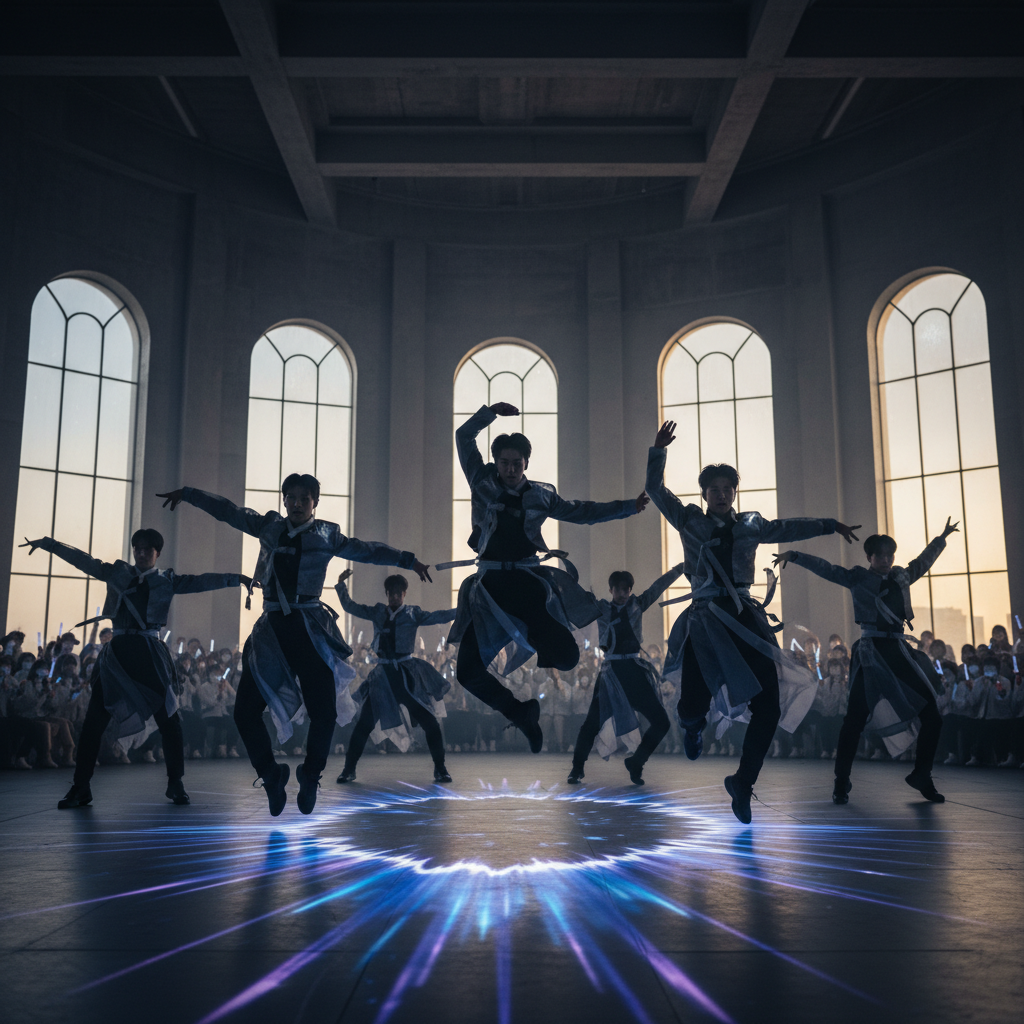
K-pop choreography has transformed dramatically since the 1990s, when groups like H.O.T. and Sechs Kies first showed audiences synchronized moves that emphasized unity and precision. Today in 2026, choreographers incorporate elements from hip-hop, contemporary, and traditional Korean dance forms. They draw inspiration from global trends while keeping a distinctly Korean essence, creating routines that work as narratives enhancing the music's message.
Technology has become integral to how choreography gets developed. Dance studios now use motion-capture software and AI-assisted tools to refine movements, enabling more complex and personalized performances. This shift has let groups experiment with themes that connect with younger audiences, building stronger bonds with fans through social media challenges and live streams.
- Early influences: How 1990s groups set the stage for modern K-pop dance.
- Key milestones: The role of second and third-generation groups in expanding choreography styles.
- Current tech: Virtual rehearsals and collaborative platforms used in 2026.
Spotlight on Choreographers Shaping 2026
Every iconic K-pop performance starts with choreographers who work relentlessly to bring visions to life. In 2026, figures like Korean choreographer Park Ji-hoon (no relation to the idol) have crafted routines blending athletic prowess with artistic expression. Their process involves close collaboration with artists to ensure dances match the song's lyrics and concept, making each performance feel complete.
Something interesting I'm seeing in 2026: choreographers increasingly incorporate elements of Korean folk dance, adding cultural depth that appeals to international fans curious about Korean heritage. This fusion preserves traditional aspects while innovating them for global audiences, helping K-pop maintain its unique identity amid worldwide influences.
- Collaborative processes: How choreographers partner with K-pop agencies to develop group-specific styles.
- Innovative techniques: The rise of hybrid styles combining ballet, popping, and locking in K-pop routines.
- Training regimens: The intensive preparation that K-pop trainees undergo to master complex choreography.
The Role of K-pop Groups in Elevating Choreography
K-pop groups keep pushing boundaries with their choreography, turning stages into canvases for expression. The industry's biggest acts demonstrate how dance can elevate a song's impact. Groups known for dynamic energy feature intricate footwork and formations that draw millions of views on YouTube and TikTok.
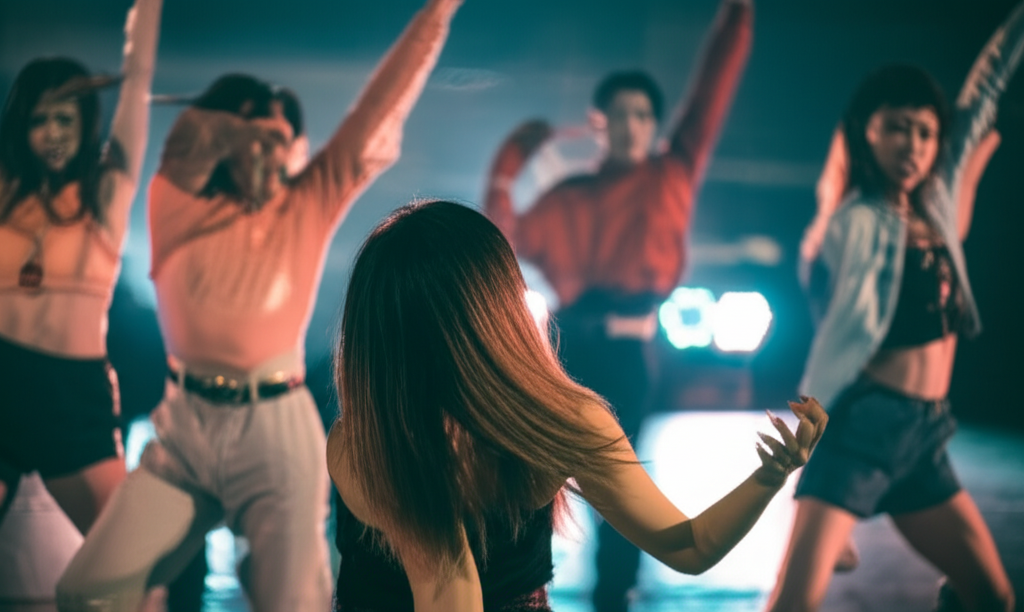
In 2026, versatility matters most—groups adapt choreography for different settings, from intimate fan meetings to massive stadium concerts. This adaptability keeps the art form fresh and engaging. The emphasis on group synergy in dances also reflects Korean cultural values of harmony and collective effort.
Choreography has become a bridge for fan interaction. Fans learn and recreate routines, creating communities built around shared passion. This has sparked a boom in dance tutorials and cover videos, amplifying K-pop's global reach even further.
Challenges and Future Directions in K-pop Choreography
The K-pop choreography scene faces real challenges in 2026. The physical toll on artists remains significant, and the pressure to innovate constantly risks leading to repetitive routines. Injuries from rigorous training have sparked industry conversations about artist welfare, resulting in more sustainable practices like shorter rehearsal hours and better physiotherapy support.
The future looks promising though. Virtual reality integrations are letting fans experience performances in entirely new ways. Choreographers are experimenting with interactive elements where audience participation actually influences live shows, blending technology with traditional dance to create experiences audiences won't forget.
- Addressing artist health: New guidelines in 2026 for safer choreography practices.
- Global collaborations: How international dancers are influencing K-pop styles.
- Emerging trends: The potential of AI in generating and customizing dance routines.
The Cultural Impact of K-pop Choreography
Beyond entertainment, K-pop choreography serves as a gateway for people worldwide to explore Korean traditions, language, and values through dance. In 2026, K-pop-inspired dance classes have popped up in schools everywhere, introducing young people to the discipline and creativity inherent in Korean arts.
The ripple effects show up everywhere—fashion where dance costumes influence streetwear trends, media where K-pop routines inspire content creators across platforms. This interconnectedness highlights K-pop's role as a cultural ambassador, fostering genuine cross-cultural exchanges.
2026 Update
Recent developments in early 2026 show major K-pop labels investing heavily in motion-capture technology for trainee training, reducing injury risk while accelerating skill development. Additionally, several top choreographers have launched online courses in collaboration with entertainment companies, making professional K-pop dance education more accessible globally.
K-pop choreography in 2026 is more than movement—it's a powerful form of expression that keeps evolving, inspiring, and uniting fans worldwide. With continued innovation, the industry will keep dancing its way into the hearts of new generations.