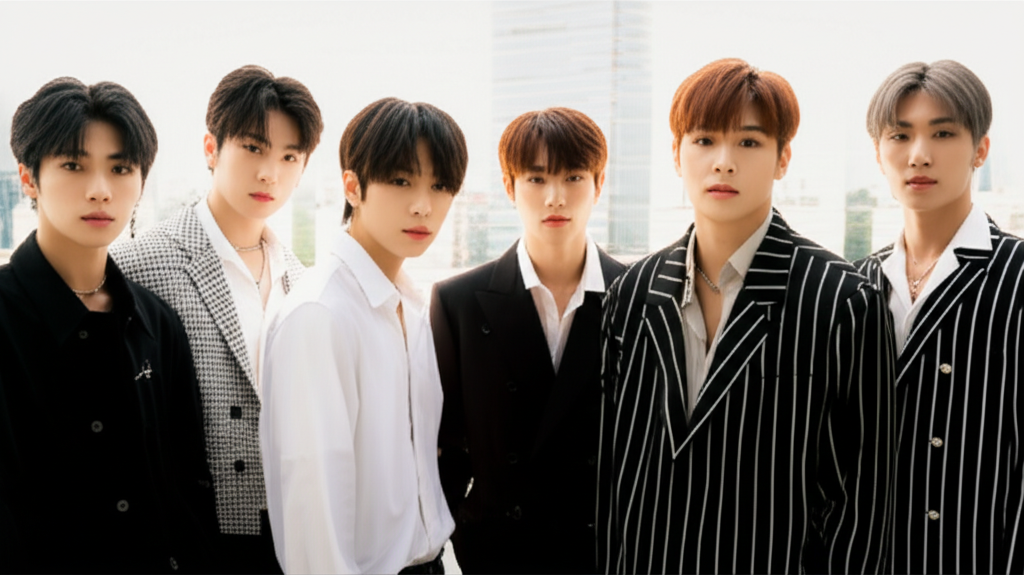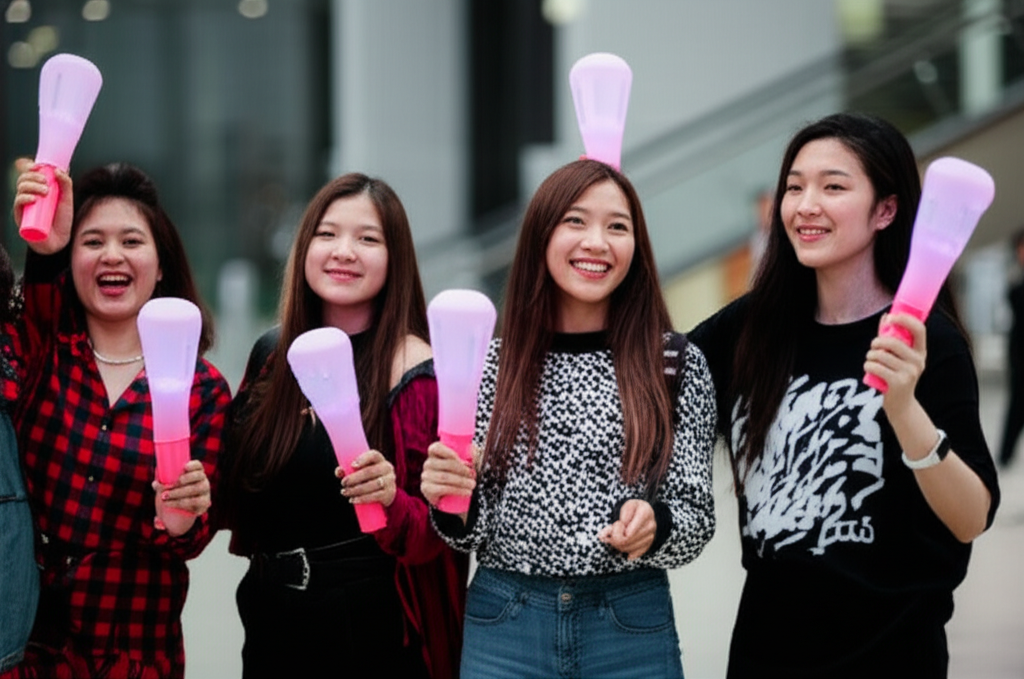
The global music scene keeps shifting, and 2026 is proving to be a breakthrough year for K-pop's expansion into Europe. While the genre has dominated in Asia and North America for years, European markets are now experiencing an unexpected surge in interest. This growth comes from smarter fan strategies, bigger tours, and creative cultural mixes that show how adaptable K-pop really is. As we look at what's happening on February 22, 2026, let's see how K-pop is entertaining Europeans while also building bridges across the continent.
The Historical Roots of K-Pop in Europe
K-pop first reached European audiences in the early 2010s, when groups like Girls' Generation and Super Junior gained attention through social media and international performances. By 2026, the scene has changed completely. What were once small, dedicated fan groups in Europe have grown into massive communities, largely because of streaming platforms and viral TikTok challenges. The music works across language barriers—catchy hooks and synchronized dances connect with all kinds of listeners.
A big reason for this growth is how easy it is to access K-pop now. YouTube and TikTok let European fans discover groups like SEVENTEEN and TWICE without any effort. Industry data shows K-pop streams in Europe jumped 40% in the first quarter of 2026 alone, which tells me there's real demand here.
Emerging Trends Shaping K-Pop's European Presence
K-pop artists are changing their approach for European audiences, and several patterns are becoming clear. First, there's a real push toward localized content. Agencies are working with European creators to make music videos and live streams that include local languages and cultural references. Some groups are releasing versions of their songs in Spanish or French, which makes the music feel more personal to fans in those countries.
- Concert tours in major European cities like London, Paris, and Berlin are drawing huge crowds and bringing money into local economies.
- Partnership between K-pop idols and European fashion brands are becoming common, mixing Korean streetwear styles with European tastes.
- K-pop dance schools are popping up in Germany and Italy, where fans learn choreography and build communities.
- K-pop stages are appearing at European festivals like Primavera Sound, creating opportunities for cross-genre collaborations.
These patterns are expanding K-pop's reach, but they're also creating real two-way cultural exchange. European artists are taking inspiration from K-pop's polished production, which is leading to hybrid genres that mix pop, EDM, and even traditional folk elements from various European countries.
Spotlight on Key K-Pop Groups Leading the Charge
Several groups are driving this wave, but fourth-generation acts like ENHYPEN and aespa are particularly making an impact. ENHYPEN's recent album topped UK charts—their concept-driven music videos tell stories that European fans find compelling. aespa's work with virtual reality and metaverse concepts has connected well with European fans who are interested in technology, creating concert experiences that go beyond the typical show.
Fan meetings and pop-up events are also worth mentioning. In 2026, K-pop agencies have organized exclusive gatherings in cities like Amsterdam and Madrid, where fans meet idols and take part in cultural workshops. These events build serious loyalty and turn casual listeners into die-hard fans, which is exactly why K-pop keeps growing in Europe.
The Impact on Korean Pop Culture and Industry
This European expansion is changing how the Korean music industry works. Agencies are putting more money into global marketing, using data analytics to figure out what European listeners actually want. Streaming data from Spotify and Apple Music in Europe is now influencing song production—some recent tracks have more upbeat, Europop-inspired beats that clearly target this market.
K-pop's growth in Europe is also creating economic connections. Korean products, from merchandise to beauty items endorsed by idols, are selling well. This cultural export feels like earlier phases of the Hallyu wave, but with more focus on sustainability and digital innovation.
- Economic benefits: K-pop tours bring millions of dollars to host cities, supporting local businesses and tourism.
- Cultural fusion: European media outlets are making documentaries about K-pop, showing how it influences young people worldwide.
- Industry innovations: Korean labels are learning European tour management practices to improve efficiency and fan experience.
As K-pop becomes part of European pop culture, it's also spreading messages about diversity and inclusion. Idols often talk about unity during performances, which resonates with Europe's diverse societies.
What Comes Next for K-Pop in Europe
Things aren't perfect, though. Language barriers still exist, visa problems make touring difficult, and European local music scenes provide real competition. But K-pop agencies aren't sitting still—they're adding language learning features in their fan apps and working with local promoters to handle these issues.
2026 Update
Just since I started writing this, ENHYPEN announced a 15-city European tour for late 2026, which already has tickets selling out within hours. Spotify also launched a dedicated K-pop hub in several European countries this month, making it even easier for fans to discover new artists.
The future looks bright. By 2027, we might see European streaming services launching dedicated K-pop channels or even K-pop-inspired reality TV shows. This expansion enriches global music and secures K-pop's place as a major cultural force.
K-pop's growing popularity in Europe during 2026 shows that the genre can work anywhere. As fans across the continent embrace this music, the Korean pop industry keeps finding new ways to innovate, creating a blend of cultures that will only get bigger.