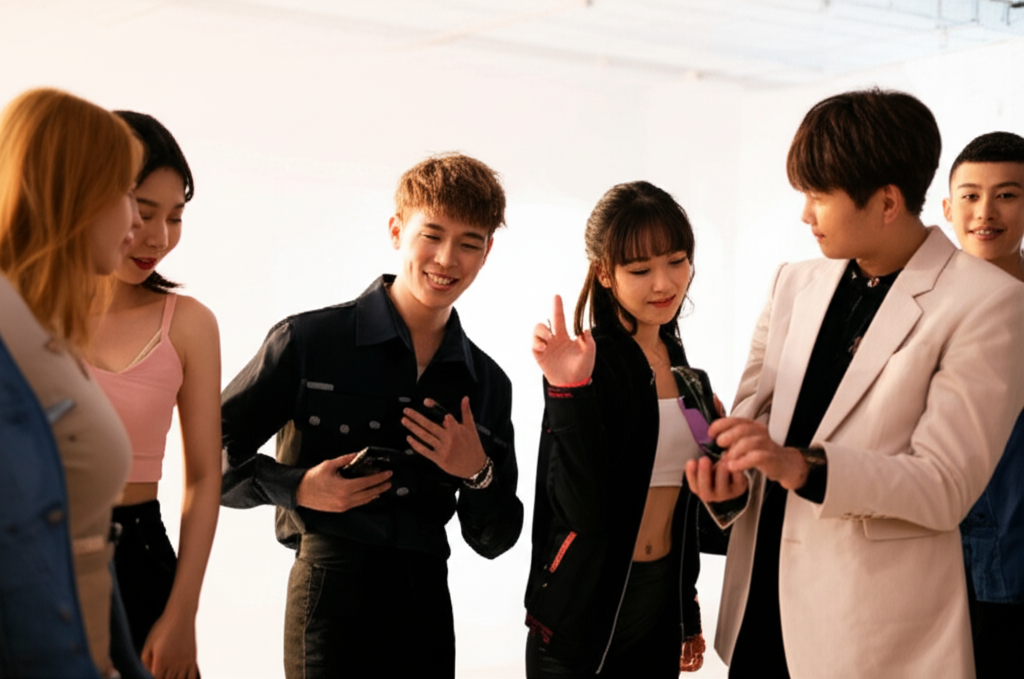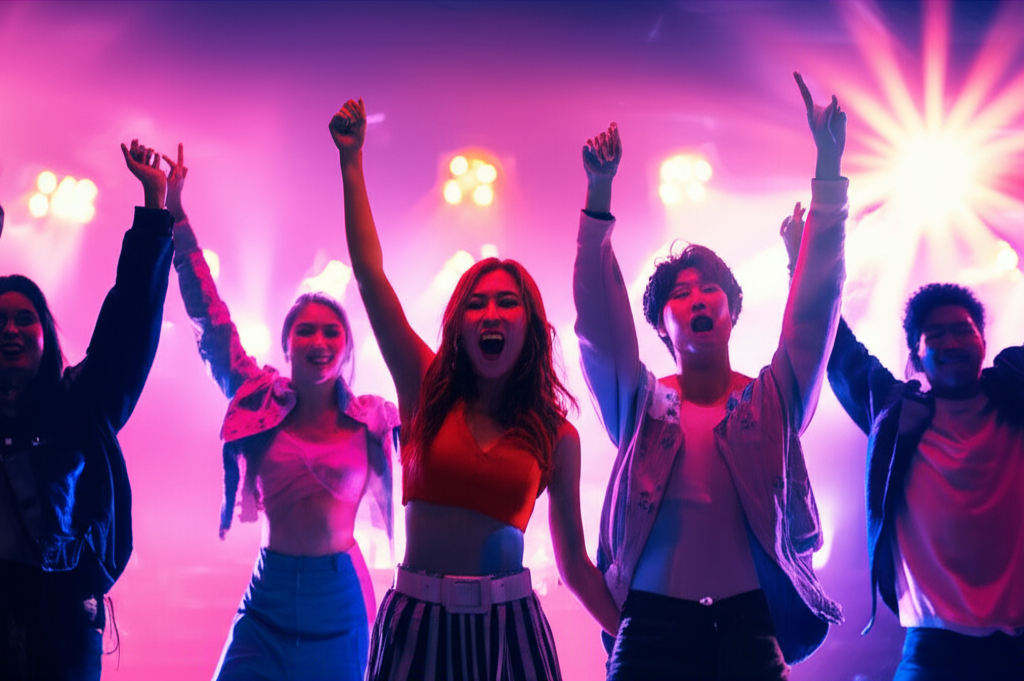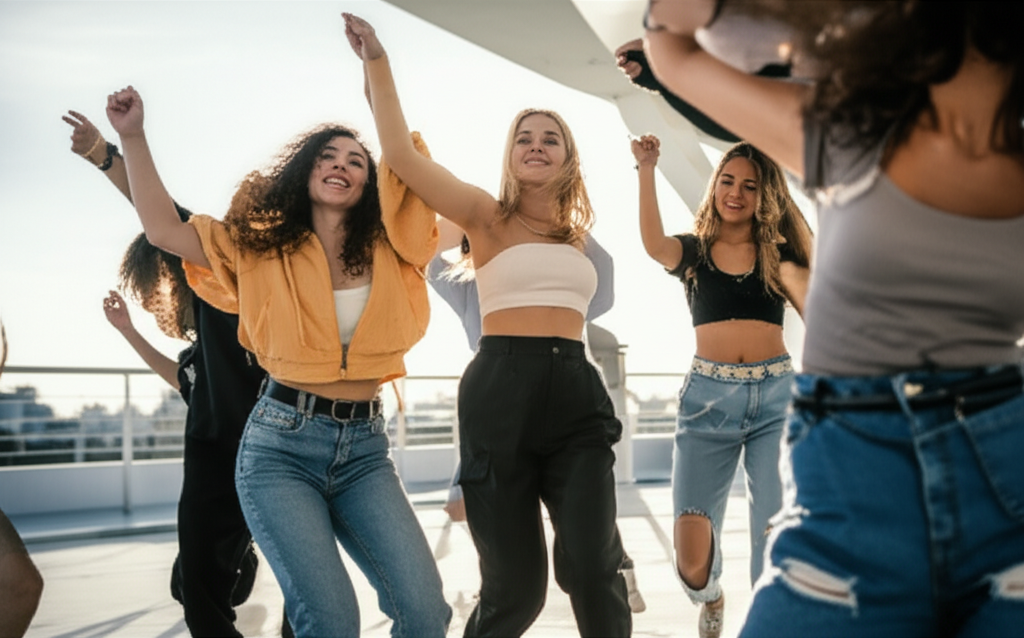
In the ever-evolving landscape of K-pop, one trend has taken center stage in early 2026: dance challenges. These interactive videos, where fans and artists alike recreate intricate choreography, have become a cornerstone of Korean pop culture. As we dive into February 2026, this phenomenon continues to bridge the gap between idols and their international audiences, creating a sense of community that transcends borders. From social media platforms to live streams, dance challenges are not just about moves—they're about shared passion and creativity in the K-pop world.
The Origins and Evolution of K-pop Dance Challenges
K-pop dance challenges didn't emerge overnight. Tracing back to the early 2010s, groups pioneered the use of social media to share their high-energy routines, inviting fans to participate. By 2026, this has evolved into a sophisticated digital ritual. What started as simple fan recreations has now become a strategic tool for artists to engage with their base, amplifying their reach in an increasingly competitive industry. In Korea, where pop culture is deeply intertwined with youth expression, these challenges reflect the nation's innovative spirit.
Fast-forward to today, and platforms like TikTok and Instagram have supercharged this trend. K-pop agencies recognize the value, incorporating challenges into promotional strategies. This year, we're seeing a surge in collaborations between established groups and rising stars, all united by the universal language of dance. It's a testament to how K-pop adapts to technological advancements while staying true to its roots in rhythmic precision and visual appeal.
How Dance Challenges Are Shaping Fan Interactions in 2026
One of the most exciting aspects of K-pop dance challenges is their role in fan engagement. In 2026, fans aren't just spectators; they're active participants. A challenge posted by a group can go viral within hours, with millions attempting the choreography and sharing their versions online. This interactive element fosters a deeper connection, turning passive listeners into creative contributors. For instance, when a new track drops, fans often organize global challenge events, showcasing diversity in interpretation while celebrating the original artistry.
Moreover, these challenges highlight the inclusivity of K-pop culture. People from various backgrounds participate, adapting moves to their own styles and sharing stories of how K-pop has influenced their lives. This global participation underscores the genre's ability to unite people, even amidst cultural differences. In Korea, dance studios and academies have incorporated K-pop routines into their curricula, further embedding these challenges into everyday pop culture.
- Enhanced community building through shared content
- Increased accessibility for new fans worldwide
- Opportunities for aspiring dancers to gain visibility
- Promotion of mental health benefits, like stress relief through physical activity
- Integration with K-pop merchandise and events
The Impact on K-pop Artists and the Industry
For K-pop artists, dance challenges serve as a powerful promotional tool. In 2026, groups are leveraging them to extend the lifespan of their releases. A well-executed challenge can boost streaming numbers, album sales, and even concert attendance. It's a low-cost, high-reward strategy that keeps artists relevant in a fast-paced market. Agencies are now training idols not just in performance but in creating content that resonates with fans on a personal level.
Take, for example, how certain groups have inspired waves of user-generated content. This year, the focus is on originality, with artists encouraging unique twists on their choreography. Such initiatives not only highlight the talent within K-pop but also pave the way for cross-promotions with other Korean entertainment sectors, like variety shows and web series. The industry benefits too, as dance challenges drive data analytics, helping labels understand fan preferences and trends.
Looking at the broader K-pop scene, dance challenges have influenced music video production. Choreographers are designing routines with virality in mind, incorporating elements that are easy to learn yet challenging enough to spark creativity. This shift is evident in the way K-pop continues to innovate, blending traditional Korean dance forms with modern influences to create something truly unique.
Challenges and Opportunities in the K-pop Ecosystem
While dance challenges bring excitement, they also present challenges for the K-pop industry. Copyright issues arise when fan videos gain massive traction, prompting agencies to navigate intellectual property in a digital age. In 2026, new regulations in Korea are addressing this, ensuring that artists are credited and compensated fairly. Additionally, the pressure to participate can affect idols' schedules, emphasizing the need for balance in an industry known for its demanding pace.
On the flip side, opportunities abound. Dance challenges have opened doors for underground artists and independent creators to collaborate with established acts. This democratization of content creation is reshaping the K-pop hierarchy, allowing fresh talent to emerge. In February 2026 alone, several viral challenges have spotlighted new groups, proving that anyone with passion and skill can make an impact.
- Potential for international collaborations with global dancers
- Growth in K-pop-related merchandise tied to challenges
- Educational resources, like online tutorials from Korean dance experts
- Expansion of fan meetings and events centered around dance
- Increased media coverage of K-pop in mainstream outlets
The Future of K-pop Dance Challenges
As we move further into 2026, the future of K-pop dance challenges looks brighter than ever. With advancements in augmented reality, fans might soon overlay digital effects on their videos, adding a new layer to the experience. This could lead to virtual dance battles and global competitions, further solidifying K-pop's position in worldwide pop culture. In Korea, government initiatives are supporting the arts, recognizing how such trends boost tourism and cultural export.
Ultimately, dance challenges embody the essence of K-pop: innovation, community, and joy. They remind us that at the heart of this industry is a shared love for music and movement. As February 2026 unfolds, we're excited to see how these challenges continue to evolve, bringing fans and artists closer in unexpected ways.
In conclusion, the viral sensation of K-pop dance challenges is more than a trend—it's a cultural movement. By fostering creativity and connection, it's helping K-pop maintain its global dominance while nurturing the next generation of stars. Whether you're a longtime fan or a curious newcomer, joining a dance challenge is an invitation to be part of something bigger in the vibrant world of Korean pop.