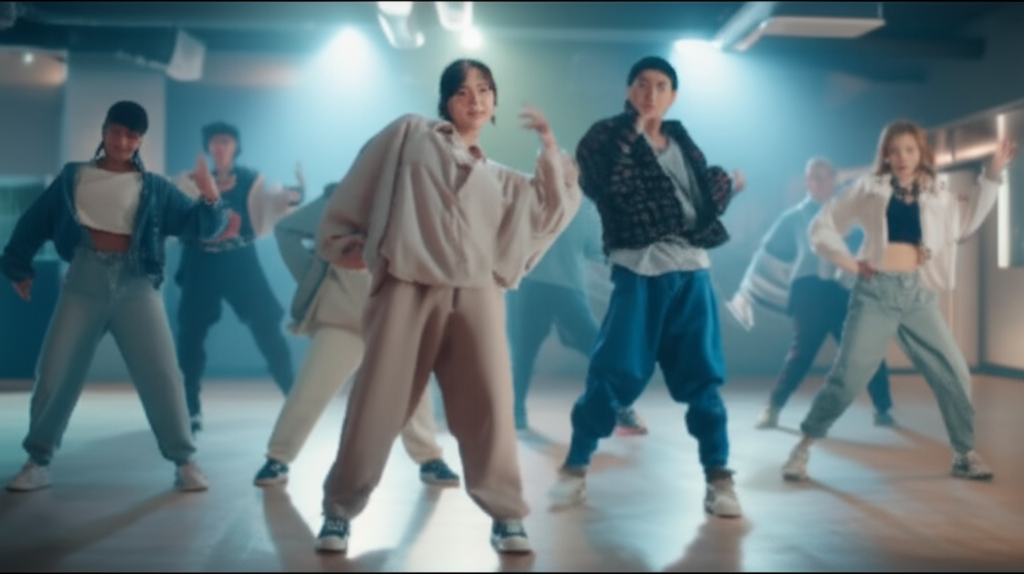
In the ever-evolving world of music and entertainment, K-pop has stood out as a global phenomenon, captivating audiences with its infectious beats, stunning visuals, and, most notably, its intricate dance routines. As we step into 2026, the dance styles within K-pop have undergone significant transformations, blending traditional elements with cutting-edge innovations. This article delves into the journey of K-pop choreography, exploring its roots, current trends, and future possibilities. Whether you're a die-hard fan or a casual observer, understanding this evolution offers a fresh lens on how dance is reshaping the industry.
The Historical Roots of K-Pop Dance
K-pop's dance heritage traces back to the late 20th century, influenced by a mix of Korean folk dances, Western pop, and hip-hop. Groups like Seo Taiji and Boys in the 1990s pioneered synchronized movements that combined high energy with precise formations. Fast forward to the 2000s, and idols like TVXQ and Girls' Generation elevated this with complex group choreography that emphasized unity and visual appeal. By 2026, these foundations have evolved into a sophisticated art form, incorporating elements from ballet, contemporary dance, and even martial arts to create performances that are as athletic as they are artistic.
One key aspect of this evolution is the integration of technology. Dancers now use motion-capture suits during rehearsals to perfect their moves, ensuring every gesture aligns with the music's rhythm. This technological leap has made K-pop dances more accessible, with tutorials flooding platforms like YouTube and TikTok, allowing fans worldwide to learn and participate.
Current Trends in K-Pop Choreography
As of 2026, K-pop dance styles are characterized by a fusion of genres that reflect the genre's global appeal. Hybrid styles, such as 'K-hip-hop fusion' and 'electro-pop contemporary,' dominate the scene. For instance, newer groups are blending K-pop's signature sharp, synchronized lines with the fluidity of Latin dances or the isolation techniques from street styles like popping and locking. This mix not only keeps performances fresh but also appeals to international audiences, fostering a sense of cultural exchange.
Another prominent trend is the rise of narrative-driven choreography. Dances are no longer just background elements; they're storytelling tools. Choreographers design routines that mirror the song's lyrics, using symbolic gestures to convey emotions. This approach has been popularized through viral challenges, where fans recreate these dances, turning them into social phenomena. For example, a simple hook step from a hit track can spawn millions of user-generated videos, amplifying the song's reach exponentially.
- Increased emphasis on inclusivity, with dances designed for various skill levels to encourage fan participation.
- Incorporation of augmented reality (AR) elements in live performances, allowing dancers to interact with virtual environments.
- A shift towards sustainability, where choreography routines promote eco-friendly messages through creative movements.
- Collaboration with international dancers, bringing diverse influences like African dance rhythms into K-pop routines.
These trends have also influenced the training regimens of aspiring idols. Dance academies in South Korea now offer specialized programs that combine physical training with digital tools, such as AI-assisted feedback systems. This ensures that performers are not only skilled but also innovative, pushing the boundaries of what's possible on stage.
The Global Impact of K-Pop Dance
Beyond South Korea, K-pop dance has become a cultural export, influencing dance communities worldwide. In the United States, Europe, and Asia, dance studios offer K-pop classes, drawing in enthusiasts who appreciate the discipline and creativity involved. This global spread has led to 'K-pop dance fusions,' where local styles are merged with K-pop elements, creating unique hybrids like 'K-Bollywood' or 'K-Reggaeton.'
From a socioeconomic perspective, the dance aspect of K-pop has boosted the entertainment industry. Choreographers and dance crews are now celebrated figures, often going viral on their own. In 2026, platforms like Instagram and TikTok have algorithms that prioritize K-pop-related content, leading to sponsorships and partnerships that generate millions in revenue. This has created job opportunities for dancers, videographers, and content creators, highlighting dance as a viable career path.
Moreover, K-pop dance has played a role in promoting physical and mental health. The routines, which often involve high-cardio exercises, encourage fans to stay active. Studies from 2025 show that participating in K-pop dance challenges can reduce stress and improve coordination, making it a popular fitness trend. Health organizations have even partnered with K-pop agencies to develop dance-based wellness programs.
Challenges and Criticisms in the K-Pop Dance World
Despite its popularity, the evolution of K-pop dance isn't without challenges. Critics argue that the pressure to innovate can lead to over-the-top routines that prioritize spectacle over substance, potentially causing injuries among performers. In response, industry leaders have implemented stricter safety protocols, including mandatory rest periods and ergonomic training.
Another criticism is the lack of diversity in representation. While K-pop has become more inclusive, there's still a need for greater visibility for dancers from underrepresented backgrounds. Initiatives in 2026, such as diversity scholarships in dance schools, are addressing this by encouraging participation from various ethnicities and abilities.
- Balancing creativity with performer well-being to prevent burnout.
- Ensuring cultural sensitivity when fusing international styles.
- Addressing the gender dynamics in choreography, promoting equality in roles.
These issues underscore the importance of ethical practices in the industry, ensuring that the evolution of K-pop dance remains sustainable and equitable.
The Future of K-Pop Dance: What's Next?
Looking ahead, the future of K-pop dance in 2026 and beyond promises even more excitement. With advancements in AI and virtual reality, we can expect fully immersive dance experiences, where fans join virtual concerts as participants. Predictive algorithms might soon help choreographers design routines tailored to global trends, making K-pop more interactive than ever.
Additionally, as environmental concerns grow, K-pop dances could incorporate themes of conservation, using movements to symbolize global issues like climate change. This not only entertains but also educates, positioning K-pop as a leader in socially conscious entertainment.
In conclusion, the evolution of K-pop dance styles reflects a dynamic interplay of tradition, technology, and global influence. From its humble beginnings to its current status as a worldwide trendsetter, K-pop dance continues to inspire and unite people across cultures. As we move further into 2026, one thing is clear: the beat goes on, and the dance floor is just getting started.