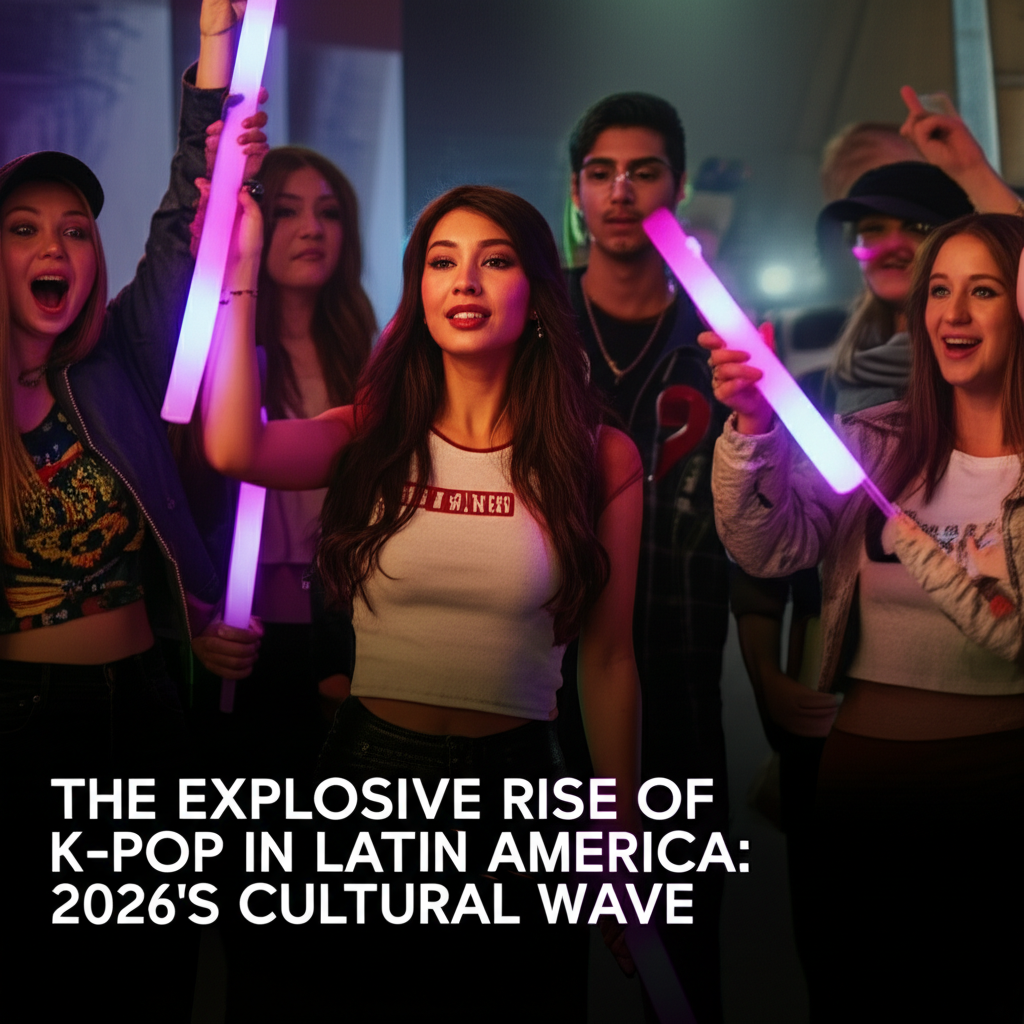
As we step into 2026, the global music landscape continues to evolve, with K-Pop emerging as a dominant force far beyond its East Asian origins. This article explores the remarkable surge of K-Pop's popularity in Latin America, a region where vibrant fan communities and cultural exchanges are reshaping the music industry. From viral dance challenges to sold-out concerts, K-Pop's influence is not just a trend - it's a full-fledged cultural phenomenon driving economic and social changes.
Introduction to K-Pop's Global Reach
K-Pop, or Korean Pop, has transcended borders since the early 2010s, but its growth in Latin America has accelerated dramatically in recent years. Countries like Brazil, Mexico, and Argentina are now hotspots for K-Pop fandom, with social media platforms amplifying this expansion. According to recent reports, streaming numbers for K-Pop artists in Latin America have surged by over 150% in the past two years, highlighting a shift in musical preferences among younger demographics.
This growth isn't accidental; it's fueled by strategic marketing, relatable content, and the universal appeal of K-Pop's high-energy performances. Fans in Latin America are drawn to the genre's blend of catchy melodies, intricate choreography, and storytelling that resonates with themes of youth, ambition, and identity - mirroring the dynamic cultures of the region.
Historical Roots and Early Adoption in Latin America
The journey of K-Pop into Latin America began modestly in the late 2000s with groups like TVXQ and Super Junior gaining niche followings through online forums and YouTube. By the 2010s, platforms like Twitter and Instagram helped spread K-Pop's reach, allowing fans to connect directly with idols. In Brazil, for instance, early adopters organized fan meetings that evolved into large-scale events, fostering a sense of community.
Key milestones include the first K-Pop concerts in Mexico City in 2015, which drew thousands and set the stage for bigger tours. Groups like BTS and BLACKPINK paved the way, but it's the local adaptations - such as Spanish-language covers and collaborations - that have solidified K-Pop's presence. This historical context shows how K-Pop adapted to local tastes, incorporating elements of Latin rhythms like reggaeton and samba into fan-created content.
Current Trends Shaping K-Pop's 2026 Boom in Latin America
In 2026, K-Pop's influence in Latin America is at an all-time high, driven by digital innovation and cross-cultural collaborations. Streaming services like Spotify and YouTube have reported that K-Pop tracks dominate playlists in countries such as Colombia and Peru, with artists like SEVENTEEN and ITZY topping charts. A notable trend is the rise of virtual concerts, which became popular post-pandemic and allow fans to engage without geographical barriers.
Moreover, K-Pop agencies are investing in localized content, such as music videos filmed in Latin American locations or partnerships with regional influencers. This year alone, we've seen collaborations between K-Pop stars and Latin artists, blending genres and creating hybrid hits that appeal to both audiences. Social media challenges, like dance trends on TikTok, have gone viral, with millions of participants from Latin America contributing to the global K-Pop wave.
- Integration of Latin rhythms into K-Pop tracks for a fusion sound.
- Growth of K-Pop merchandise sales, boosting local economies.
- Increased representation of Latin American fans in K-Pop events and fan votes.
Fan Communities and Their Role in Expansion
Latin America's K-Pop fan communities are the backbone of this cultural shift, organizing events, advocacy, and online campaigns that amplify the genre's popularity. Groups like ARMY (BTS fans) and BLINKs (BLACKPINK fans) have chapters in major cities, hosting meetups, cover dances, and charity drives. These communities not only support their favorite artists but also promote cultural exchange, sharing Korean language lessons and traditions with local enthusiasts.
In 2026, fan-driven initiatives have led to significant milestones, such as the first K-Pop festival in São Paulo, which attracted over 50,000 attendees. These events foster a sense of belonging and empower fans to influence industry decisions, like song selections for regional releases. The digital age has made it easier for fans to connect, with apps and Discord servers dedicated to Latin American K-Pop culture.
Impact on Local Music Scenes and Economy
K-Pop's rise in Latin America is more than entertainment; it's reshaping local music industries and economies. Emerging artists in the region are incorporating K-Pop elements into their music, leading to a new wave of Latin-K-Pop fusion genres. This cross-pollination is evident in the success of bands like RBD's modern counterparts, who draw inspiration from K-Pop's polished production and fan engagement strategies.
Economically, K-Pop has created jobs in merchandising, event planning, and digital content creation. In Mexico, for example, K-Pop-related tourism has boosted hotel and travel sectors, with fans traveling for concerts. Studies from 2026 indicate that K-Pop contributes billions to the regional economy through streaming revenues, merchandise sales, and advertising deals, highlighting its role in global cultural exportation.
- Economic benefits from K-Pop tours and fan conventions.
- Influence on local fashion and beauty trends inspired by K-Pop idols.
- Opportunities for Latin American artists to collaborate internationally.
Future Prospects: What's Next for K-Pop in Latin America?
Looking ahead, the future of K-Pop in Latin America appears brighter than ever. With advancements in technology, such as AI-driven fan interactions and virtual reality concerts, the genre is poised for even greater integration. Predictions for 2027 include more K-Pop academies in Latin countries, training local talents and fostering original content creation.
Challenges like cultural appropriation and market saturation must be addressed, but the mutual respect between K-Pop artists and Latin American fans suggests a sustainable path forward. As K-Pop continues to evolve, its influence could lead to a more interconnected global music scene, where borders blur and creativity flourishes.
Conclusion: Embracing the K-Pop Revolution
In conclusion, the explosive rise of K-Pop in Latin America in 2026 represents a powerful example of cultural globalization. This wave is not just about music; it's about building bridges, fostering communities, and inspiring a new generation of artists and fans. As we witness this ongoing transformation, one thing is clear: K-Pop's journey in Latin America is just beginning, promising exciting developments for years to come.