K-pop fan communities have become massive online ecosystems, and they're shaping how the music industry works in ways few predicted. These dedicated supporters do more than stream music—they organize, create, and amplify in ways that directly impact chart performance and artist visibility. Here's how online platforms have evolved to serve these passionate communities, and what's actually changing on the ground in 2026.
K-Pop Fan Communities Go High-Tech
Remember when fan cafes on Daum and Naver were the main online gathering spots? That feels ancient now. Twitter and Instagram opened things up globally, but 2026 has brought something new: specialized K-pop apps packed with augmented reality features. I'm seeing fans attend virtual meet-and-greets through their phones, creating AR content that puts them alongside their favorite idols—strange but undeniably cool for the right fan.
TWICE and Red Velvet have been early adopters here, hosting exclusive digital events that international fans can actually join without traveling to Seoul. For supporters in Europe or the Americas, this technology bridges a gap that used to feel insurmountable.
How Social Media Algorithms Actually Help K-Pop Spread
TikTok and YouTube's recommendation systems have become ridiculously good at spotting K-pop content. The algorithms notice when fans start dancing to a specific chorus, when covers pile up, when a challenge takes off—and they push it further. That SEVENTEEN performance edit going viral isn't random; the algorithm recognized the engagement pattern and amplified it.
What's interesting is how fans have learned to work with these systems. Organized streaming parties, coordinated voting campaigns, strategic hashtag use—fans treat platform algorithms like a science they’ve mastered. New releases from groups like ITZY or Stray Kids often debut at number one precisely because fans have gotten so good at this.
What Fans Actually Do for Artists
- Streaming and Charts: Synchronized streaming apps let fans coordinate in real-time. When a new drop happens, thousands of fans hit play simultaneously, gaming the algorithm and pushing songs onto global playlists immediately.
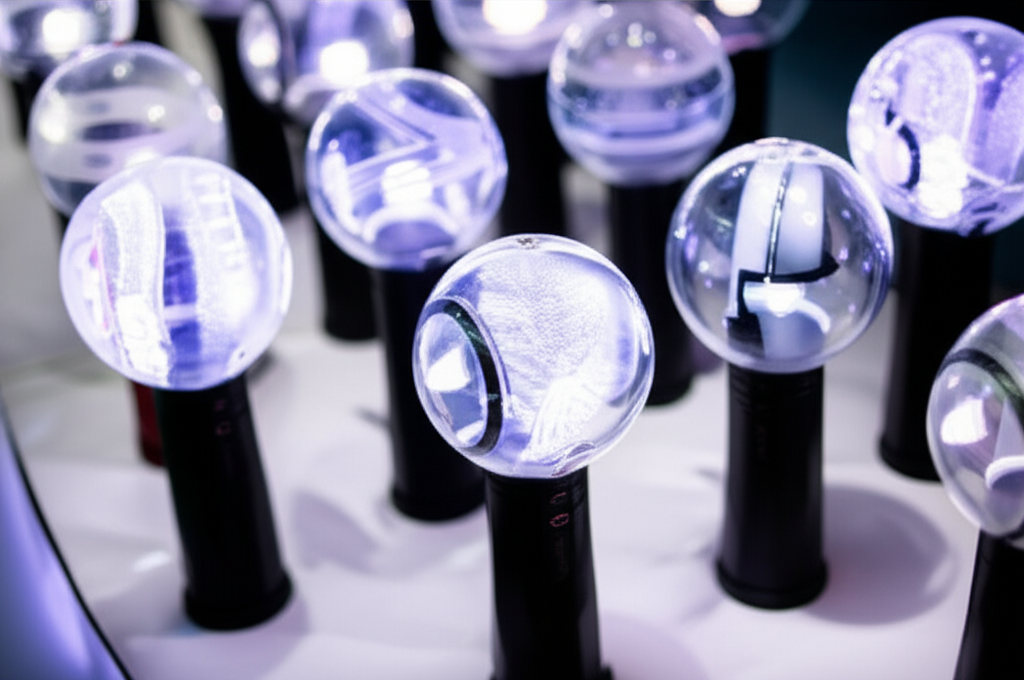
- Merchandise and Fundraising: Light stick sales, official albums, fan-funded projects—these generate serious revenue. Many fans also donate to artists' charitable foundations, creating goodwill that helps the group's public image.
- Fan Meets and Conventions: Both virtual and in-person events draw thousands. These gatherings often include panels on K-pop history, dance workshops, and opportunities to meet fellow fans. It's become a significant cultural export, introducing Korean traditions to global audiences.
By 2026, fan spending contributes billions to the global entertainment market. Agencies would be foolish to ignore this—some now design comeback strategies specifically around fan coordination capabilities.
New Ways Fans Interact With Artists
Real-time translation during live streams has been a game-changer. Non-Korean speakers can finally understand what's happening, react instantly, and feel included. Groups targeting international audiences have leaned hard into this, and it's working.
Gamification keeps fans engaged daily. Vote for your favorite member, complete challenges, earn points toward exclusive content—these reward systems turn casual listeners into devoted fans. NewJeans and ENHYPEN have used these tools effectively, building loyal followings even before many Western listeners heard their names.
What Fans Are Dealing With Now
Online toxicity remains a serious problem. Fanwars, harassment campaigns, and misinformation spread quickly, and agencies have been slow to respond. Some have implemented better moderation tools, but the response often feels reactive rather than proactive.
The better development: fans themselves are pushing for healthier communities. Mental health awareness has grown within fandom spaces, and there's genuine pressure to tone down the aggression that sometimes characterizes fan interactions online.
Where This All Heads
K-pop wouldn't exist without fans—it's that simple. Their passion creates the economic engine that keeps agencies investing, their creativity generates the content that goes viral, and their dedication builds the global audience that makes K-pop a genuine cultural force. The relationship between artists and fans has always been unusually close, and technology is making it closer.
2026 Update
There's been a noticeable shift toward longer-form content on YouTube and TikTok in early 2026, with fans producing documentary-style videos about group histories and discographies that perform surprisingly well. Also, Weverse—the dominant fan platform—introduced enhanced monetization features that let creators earn from fan interactions, changing how some fans engage with their favorite artists.