As we move through 2026, the K-pop industry keeps changing, and fourth-generation boy groups are leading that change. These newer acts aren't just following what came before them—they're trying something different with their music styles, live performances, and how they connect with fans online. In this article, we'll look at how ENHYPEN, TXT, and Stray Kids are pushing the genre forward and building audiences around the world.
The Evolution of Fourth-Generation Boy Groups
Fourth-generation K-pop boy groups have become the driving force of the industry's latest chapter. They blend high-energy choreography with storytelling that connects with younger fans in ways earlier groups didn't quite manage. These acts often weave in technology, social media trends, and sometimes even sustainability messages into how they present themselves. ENHYPEN, who debuted in 2020, has built a following through concept-driven albums that mix fantasy storylines with pop hooks. Their 2026 releases show a more mature sound, with experimental electronic beats and lyrics about personal growth and staying connected in a global world.
TXT has been experimenting with collaborations outside Korea, working with international producers to create songs that blend K-pop's catchiness with hyperpop and indie rock influences. It's not just about the music—TXT has built an entire universe around the group, with interactive apps and virtual fan events that keep supporters engaged between releases. This approach has helped them build a fanbase that stretches across continents.
Stray Kids has always stood out because the members write and produce much of their own material. Their 2026 releases use more complex production techniques, including AI-assisted composition tools that let them create personalized experiences for fans. This kind of innovation keeps their sound current and appeals to listeners who want something that feels authentic in an increasingly digital music landscape.
Key Innovations in Music and Performance
The production side of fourth-generation K-pop has gotten more sophisticated in 2026. We're seeing more groups use spatial audio and virtual instruments to create richer listening experiences. ENHYPEN's recent EP uses immersive soundscapes that put fans right inside the story they're telling—a technique that's becoming common in K-pop production.
Live shows have also evolved. TXT's concerts include AR filters fans can access through their phones, turning a regular show into something interactive. Stray Kids goes further by incorporating fan-suggested elements into their choreography, making audiences feel like they're part of the creative process.
- ENHYPEN's focus on narrative-driven concepts blending fantasy with real emotions.
- TXT's mixing of global music influences for a broader sound.
- Stray Kids' member-led creative process giving their music a distinct voice.
- Technology in fan interactions, including virtual meet-and-greets and personalized content.
- Groups testing sustainable touring with eco-friendly merchandise and digital releases.
This innovation is showing up in the charts. In February 2026, several tracks from these artists topped both Korean and international rankings, suggesting K-pop consumption patterns are shifting worldwide.
The Impact on Korean Pop Culture
These groups influence more than just music. Their fashion choices—streetwear mixed with high-fashion pieces—set trends that spread through social media and even runway shows. ENHYPEN's members have worked with Korean designers on pieces that mix traditional hanbok elements with modern cuts, sparking renewed interest in Korean cultural elements among global fans.
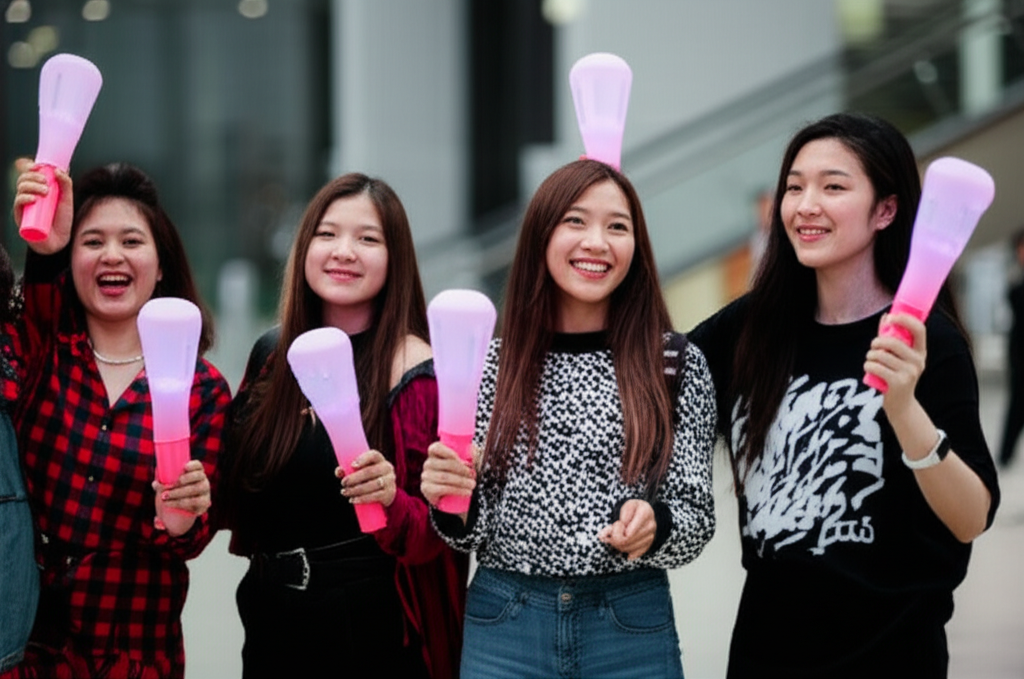
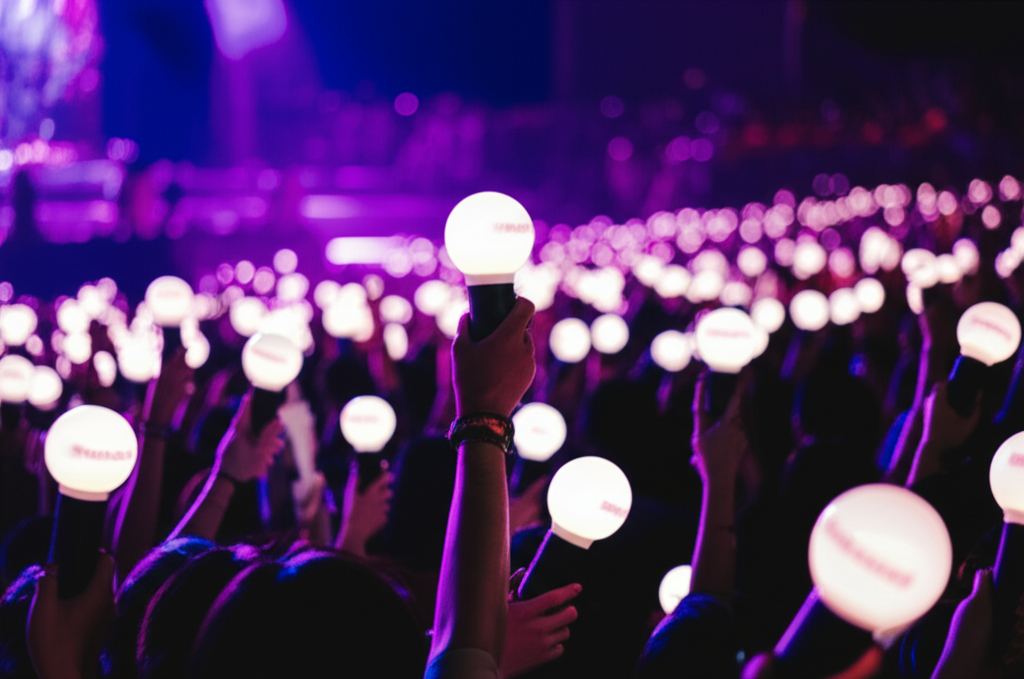
Fan culture has deepened through exclusive content and community projects. TXT's fan meetings, held both online and in person, often include mental health awareness themes, reflecting the industry's growing attention to artist well-being in 2026. This builds stronger loyalty while pushing the industry toward healthier norms.
Stray Kids has been vocal about diversity and inclusion, with lyrics that address individuality and acceptance. These messages resonate with international audiences and reflect broader social changes in Korea and elsewhere. The group is helping shape how K-pop engages with global cultural conversations.
Challenges and Future Prospects
These groups face real challenges. The K-pop market is crowded, and staying relevant in a fast-moving digital world isn't easy. In 2026, the industry is starting to respond—agencies are giving artists more rest time and access to mental health resources. This matters for keeping young talents healthy and creative over the long term.
The outlook is positive. Several groups are planning to expand into European and Middle Eastern markets, and we're already seeing collaborations with gaming and webtoon companies. Fourth-generation boy groups are positioned to lead K-pop into its next phase. How they adapt and innovate will determine where the genre goes next.
2026 Update
Several major K-pop agencies announced expanded European tour dates for summer 2026, with these fourth-generation groups leading the international push. Early ticket sales suggest demand is strong outside traditional Asian markets.
Looking at the rise of fourth-generation K-pop boy groups in 2026, it's clear the genre keeps reinventing itself. By mixing new technology, cultural depth, and genuine fan connections, groups like ENHYPEN, TXT, and Stray Kids are creating something that goes beyond music—they're building movements that bring fans together. As K-pop continues changing, these groups will likely stay at the center of where the genre heads next.