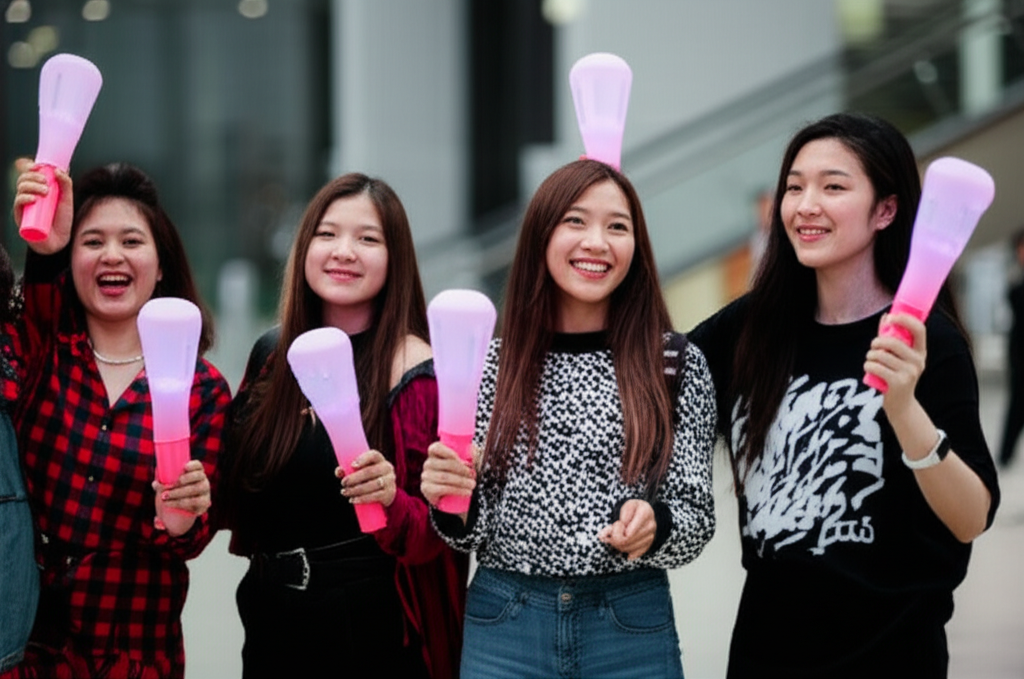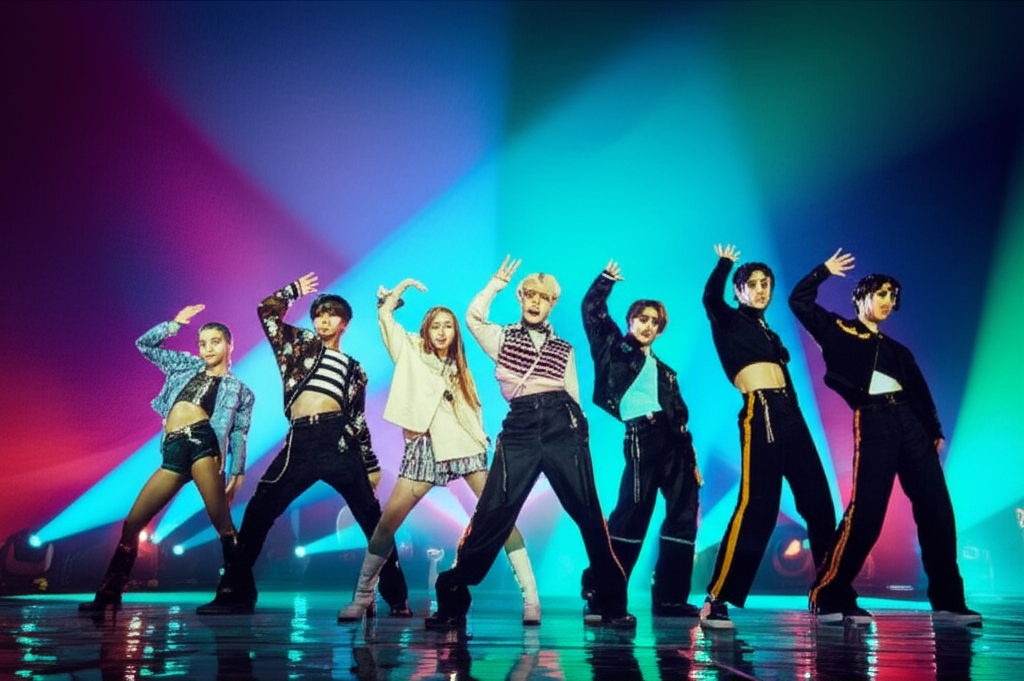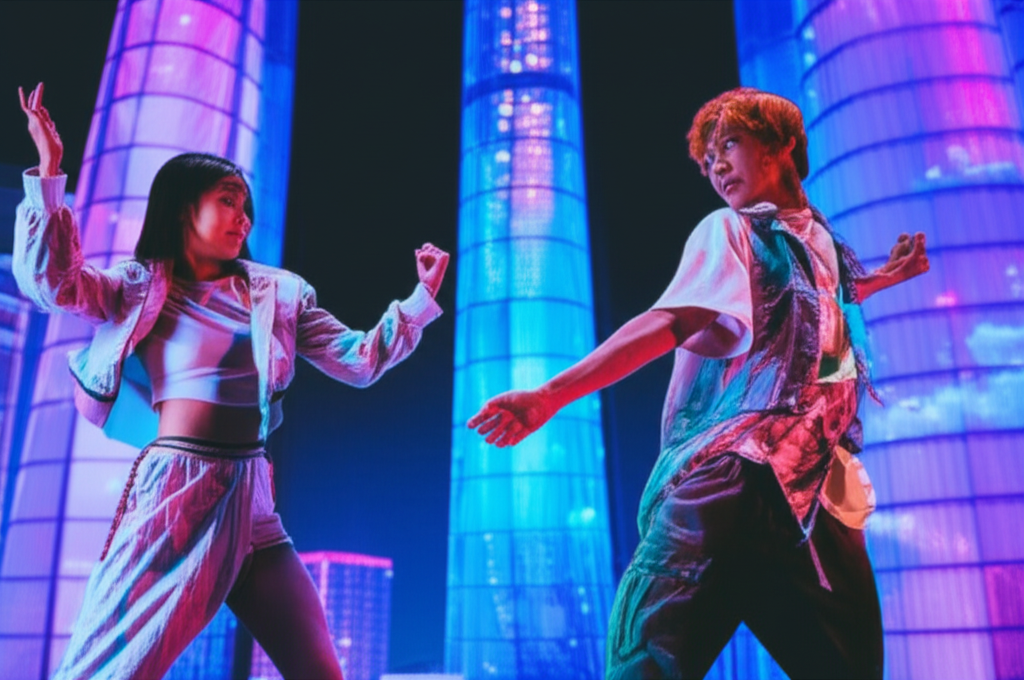
In 2026, K-pop is deeper into Southeast Asia than ever before. Countries like Thailand, Indonesia, and the Philippines have become major hubs for Korean pop culture, driven by streaming platforms and fan gatherings. What's different this year is that K-pop artists are moving past simple concerts—they're building real connections through local partnerships and events that feel personal to fans in the region.
The Historical Roots of K-Pop in Southeast Asia
K-pop started gaining traction in Southeast Asia in the early 2000s, but the explosion really happened in the last few years thanks to Spotify, YouTube, and TikTok. Groups like EXO and TWICE led the way by learning phrases in local languages for fan interactions—TWICE famously memorized Indonesian fan chants, which blew up online. In 2026, artists are going further: upcoming concerts feature joint performances with local dancers and musicians, mixing traditional Southeast Asian instruments like the gamelan with K-pop's trademark sound.
The Korean Music Industry Association reports that streaming numbers in Southeast Asia jumped 40% in Q1 2026 alone. That's not just about listeners—fans are also getting into Korean dramas, food, and fashion through brand deals and social media challenges that creators post daily.
Spotlight on Key K-Pop Artists Leading the Charge
Fourth-generation groups like ITZY and Stray Kids are driving much of this momentum. ITZY's recent album cycle included virtual meet-and-greets specifically designed for Southeast Asian fans—during one session, they incorporated Thai pop music references that fans immediately recognized. Stray Kids filmed parts of a new music video in Manila, featuring Filipino street art in the background, which fans spotted and shared across social media.
Older groups are adapting too. SEVENTEEN's recent projects lean into sustainability messaging, which connects strongly with environmental activism in Southeast Asian countries. It's a smart move—fans respond when artists show they understand local issues, not just when they perform hits.
- Fan meetups happening more frequently in Jakarta and Bangkok, giving artists and fans direct interaction time.
- Partnerships with Southeast Asian influencers to push merchandise and event dates.
- K-pop tours now scheduling stops around regional festivals like Thailand's Songkran, giving fans unique performances during celebrations.
- Dance schools teaching K-pop choreography popping up across the region, from Manila to Kuala Lumpur.
The Role of Digital Platforms in Amplifying K-Pop's Reach
Digital tools are the engine behind K-pop's 2026 expansion in Southeast Asia. Weverse and TikTok let artists chat with fans in real-time, and K-pop labels are using algorithm-driven recommendations to surface music that matches what users in specific countries already like. The result: user-generated content like dance covers and fan videos is up 50%, and a lot of it goes viral within hours.
Virtual concerts have also opened doors for fans in places like Vietnam and Cambodia where international tours rarely stop. A recent online show by a popular boy group let Vietnamese viewers chat directly with members during the performance—something that would've been impossible five years ago.
Cultural Exchanges and Their Impact on Korean Pop Culture
K-pop's influence reaches beyond music into broader culture. In Southeast Asia, you're seeing real fusion: stage outfits featuring Batik patterns, remixes using traditional instruments like the kulintang, even Korean hanbok being worn at Indonesian fan events. These aren't just marketing tricks—many are genuine collaborations between Korean and local artists.
The business side is growing too. Korean entertainment companies are co-producing content with Southeast Asian firms, and cross-border investments are up 25% in 2026. Korean artists are studying Southeast Asian languages to better connect with fans—some are even appearing in local TV shows and commercials.
- Joint music projects blending K-pop with Dangdut, Pinoy pop, and Thai music.
- Fan festivals that celebrate both Korean and local cultures, like K-pop nights at regional events.
- Trainee programs where Korean performers learn languages like Thai and Indonesian.
- Local media producing K-pop inspired content, from covers to reality shows.
Challenges and Opportunities Ahead
It's not all smooth sailing. Copyright issues keep coming up, and the market is getting crowded with so many groups competing for attention. Labels have to stay sharp on these fronts. That said, Southeast Asian governments are increasingly supportive—some countries are offering easier visa routes for performing artists and backing cultural exchange programs.
The opportunity side is massive. Industry watchers think Southeast Asia could represent 30% of K-pop's international revenue by late 2026. The region's young population, growing middle class, and deep social media usage make it a natural fit for K-pop's model.
2026 Update
Since this article was written, the momentum has continued—BTS members have announced solo tours including stops in Bangkok and Jakarta for late 2026, which sold out within hours. Several Korean entertainment companies have also opened regional headquarters in Singapore, signaling long-term commitment to the Southeast Asian market.
What This Means for Fans
The connection between K-pop and Southeast Asia feels permanent now. Artists aren't just passing through for one-off concerts—they're investing in relationships with fans, learning languages, and creating music that reflects the region. For listeners, that means more authentic content and deeper community. For the industry, Southeast Asia has become essential ground for testing new approaches that could work globally.