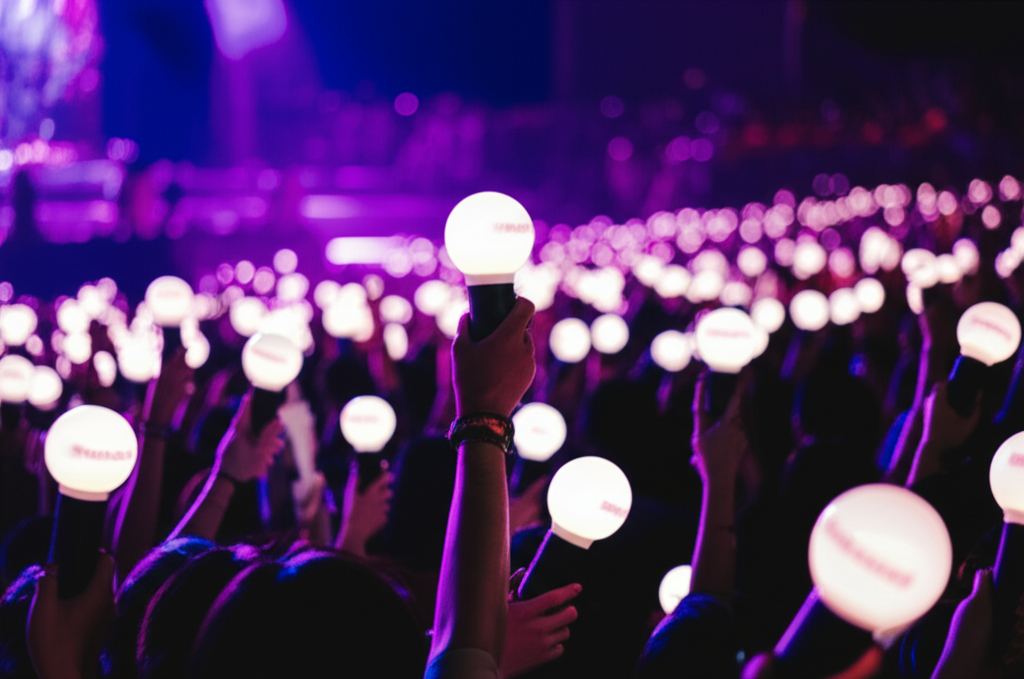
February 2026 has been a particularly active month for K-pop, with artists and agencies trying out new ways to connect with fans while expanding into creative territories beyond music. The industry feels different now—more deliberate about fan relationships and more willing to let artists explore different projects. Let me walk through what's happening.
How K-pop Groups Are Getting Fans More Involved
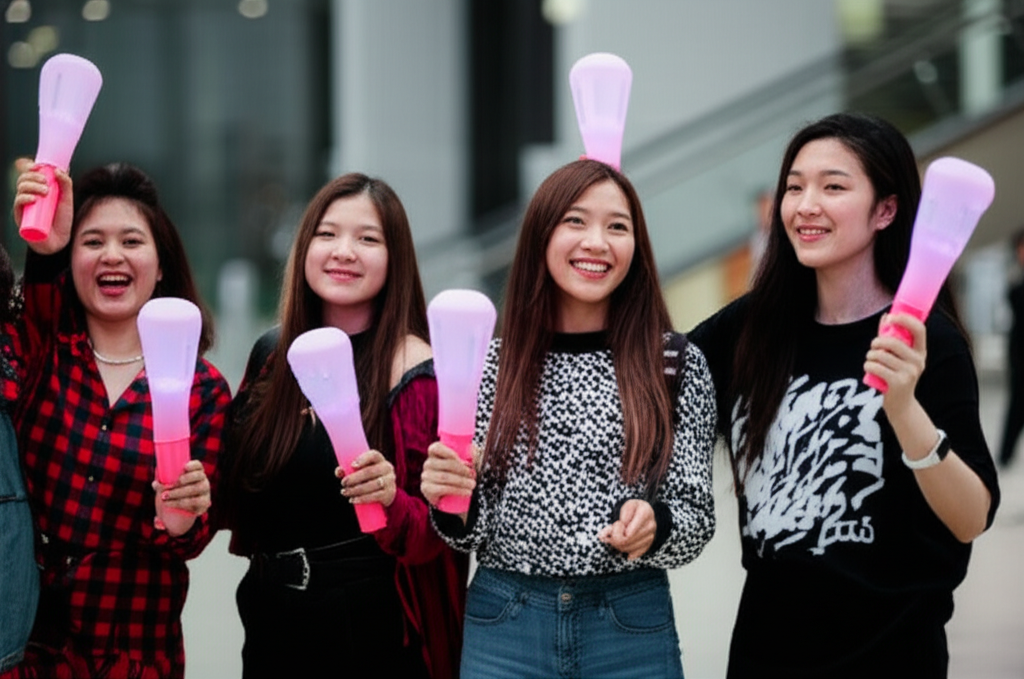
The biggest shift I'm noticing this month is how K-pop groups are rethinking fan interactions. It's not just about concerts and fan meetings anymore. SEVENTEEN and ITZY have been running interactive apps where fans can vote on setlists, ask questions during live streams, and even help decide certain creative elements for upcoming releases. The difference is night and day compared to a few years ago when fan engagement meant mostly buying merchandise and attending shows.
This matters because it changes the relationship. Fans aren't just consuming content—they're participating in it. Groups are treating their audiences as collaborators rather than passive supporters, and that seems to be building stronger loyalty. I've seen comments from fans saying they feel more connected to groups that do this, and the numbers seem to bear that out.
K-pop Artists Branching Out Into New Projects
Beyond music, several K-pop artists have been launching multimedia projects this month. TXT members have been working on narrative-driven content—digital comics and web series that expand on themes from their albums. It's a smart move because it gives fans more ways to engage with their favorite groups outside of music releases.
BLACKPINK's members continue to build their individual brands. Jennie has her fashion collaborations, Lisa has been doing more modeling work, and Rosé has been exploring different musical styles. These ventures tie back to their music but also establish them as lifestyle figures, which seems to be a calculated strategy for long-term career sustainability.
BTS's influence is still visible even though they've been focusing on military service and solo projects. Their approach to thematic albums and meaningful fan communication set a template that many newer groups now follow. You can see it in how groups structure their comebacks and interact with fans on social media.
Changes Behind the Scenes in the K-pop Industry
The business side of K-pop is evolving too. Agencies are offering more artist-friendly contract terms, and there's genuine discussion about mental health support for idols. Some of the big labels have announced training program reforms that give trainees more creative freedom and better working conditions. These changes address longtime criticisms of the industry.
International partnerships have also expanded. Korean agencies are working more closely with global streaming platforms, which helps with distribution but also means more input from international teams on release strategies. Here's what's actually changed:
- Training programs now include mental health resources and more input on artistic direction
- International streaming deals include better revenue splits for artists
- Sustainable touring practices are becoming standard for major groups
- Independent artists can now work with bigger labels without giving up creative control
- Data from fan feedback is actually being used to shape release decisions
These reforms didn't happen overnight, but the momentum is real. BLACKPINK's contract negotiations set a precedent, and other groups are benefiting from that pressure.
Where K-pop Meets Korean Culture
K-pop has always been connected to broader Korean culture, but that connection feels more intentional now. Idols are appearing on variety shows regularly, endorsing Korean products, and participating in cultural festivals. This crossover helps introduce international fans to Korean traditions—things like hanbok, Korean cuisine, and holidays like Chuseok.
Drama soundtracks remain a big deal. TWICE and Red Velvet have contributed songs to popular dramas this year, and those tracks often become hits on their own. The connection between K-pop and Korean dramas creates a feedback loop where fans of one become fans of the other.
BTS has also drawn from Korean literature and history in their lyrics, which has prompted fans to learn more about those topics. I've talked to fans who started learning Korean after getting into BTS, and some have visited Korea specifically because of their favorite groups. That's a real cultural exchange happening.
What's Coming Next for K-pop
The direction K-pop is heading seems to be toward more hybrid experiences—combining live performances with digital elements. Some groups are experimenting with augmented reality features during concerts, and virtual meet-and-greets have become more sophisticated. The technology is enabling new types of fan experiences that weren't possible even a year ago.
A few trends worth watching:
- Groups incorporating traditional Korean instruments into pop songs
- More international members joining Korean groups, which brings new perspectives
- Charity collaborations between fans and artists becoming more common
- Fan feedback directly influencing B-sides and promotional content
- K-pop performances at global events and award shows
BTS and BLACKPINK continue to lead in terms of innovation, but there's healthy competition from younger groups trying different approaches. The variety is good for the industry—it means there's something for different fan preferences.
February 2026 has shown that K-pop knows how to keep things interesting while also maturing as an industry. The balance between fan connection, artist freedom, and business growth seems to be improving, even if there's still work to do. What's clear is that the genre isn't slowing down.
2026 Update
Since this article was written, the K-pop industry has already seen several of these trends accelerate. A major agency announced a landmark artist rights agreement in March 2026, and two new groups have debuted with international members from Southeast Asia—something fans have been requesting for years. The momentum from February appears to be carrying through the rest of the year.