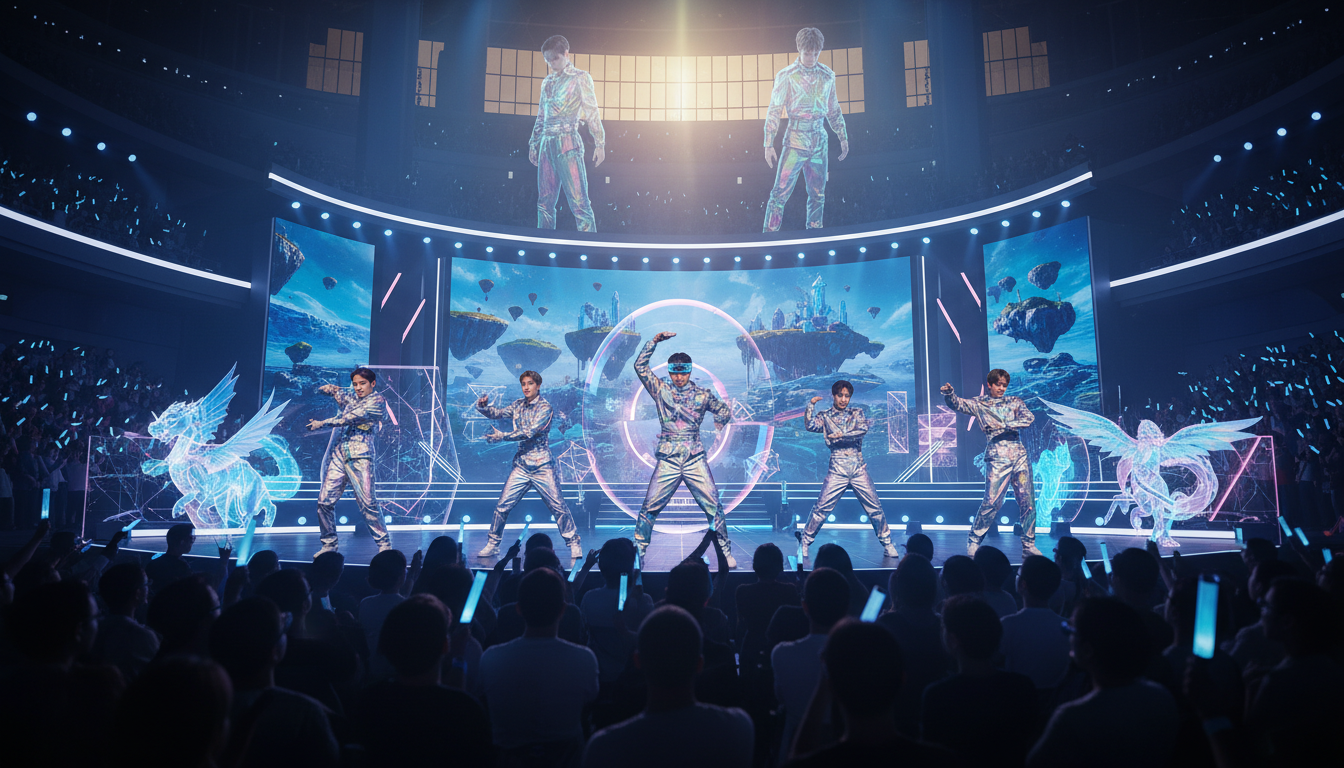
In the ever-evolving world of K-pop, where innovation meets idol worship, concerts have become more than just live music events - they are immersive spectacles that transport fans into fantastical realms. As we step into 2026, augmented reality (AR) and virtual reality (VR) technologies are reshaping the concert experience, turning ordinary stages into gateways of wonder. This article delves into how K-pop artists and groups are harnessing AR and VR to elevate their tours and live shows, creating unforgettable moments that blend cutting-edge tech with the heart of Korean pop culture.
The Evolution of Technology in K-pop Concerts
K-pop has always been at the forefront of integrating advanced technology into performances, dating back to the early 2000s when groups like TVXQ and Girls' Generation pioneered elaborate stage setups with pyrotechnics and synchronized visuals. Fast-forward to 2026, and the landscape has transformed dramatically with the widespread adoption of AR and VR. These technologies allow for seamless blending of digital elements with real-time performances, making concerts feel like interactive stories unfolding in real time.
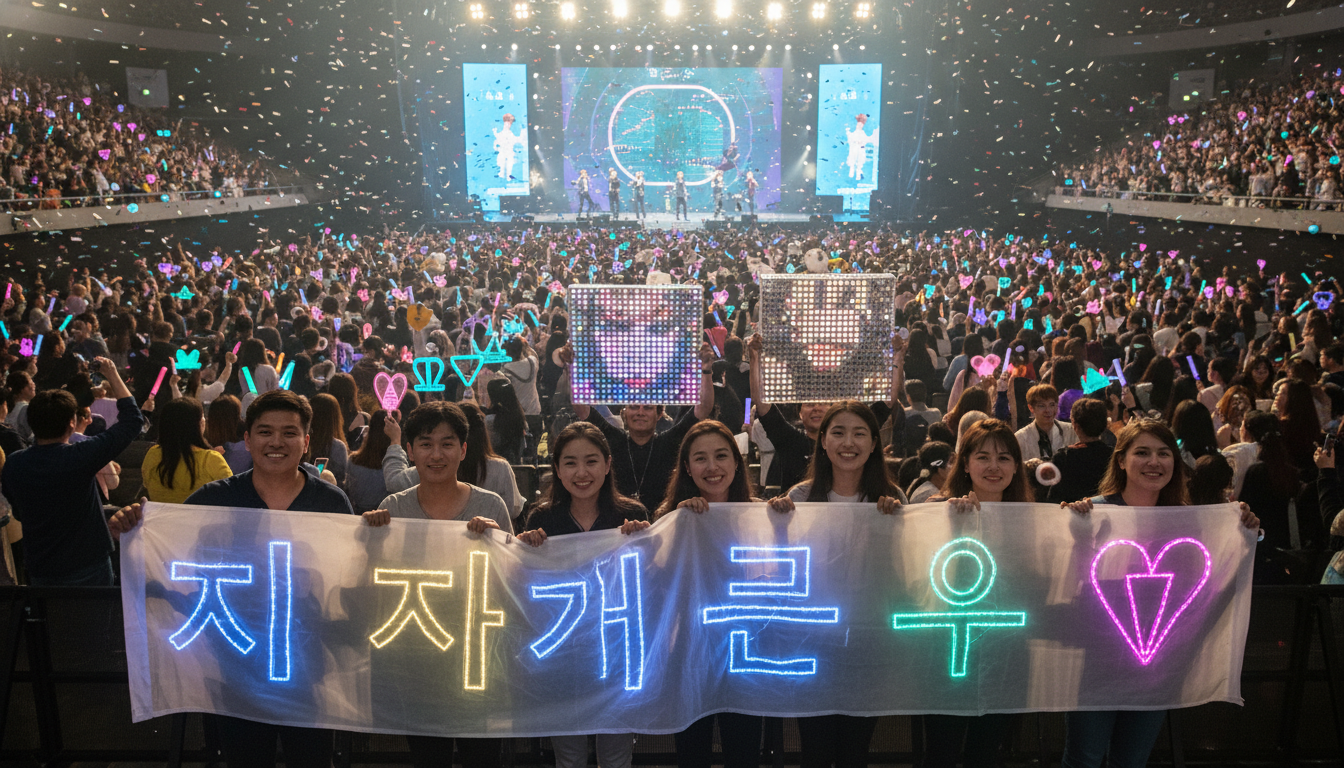
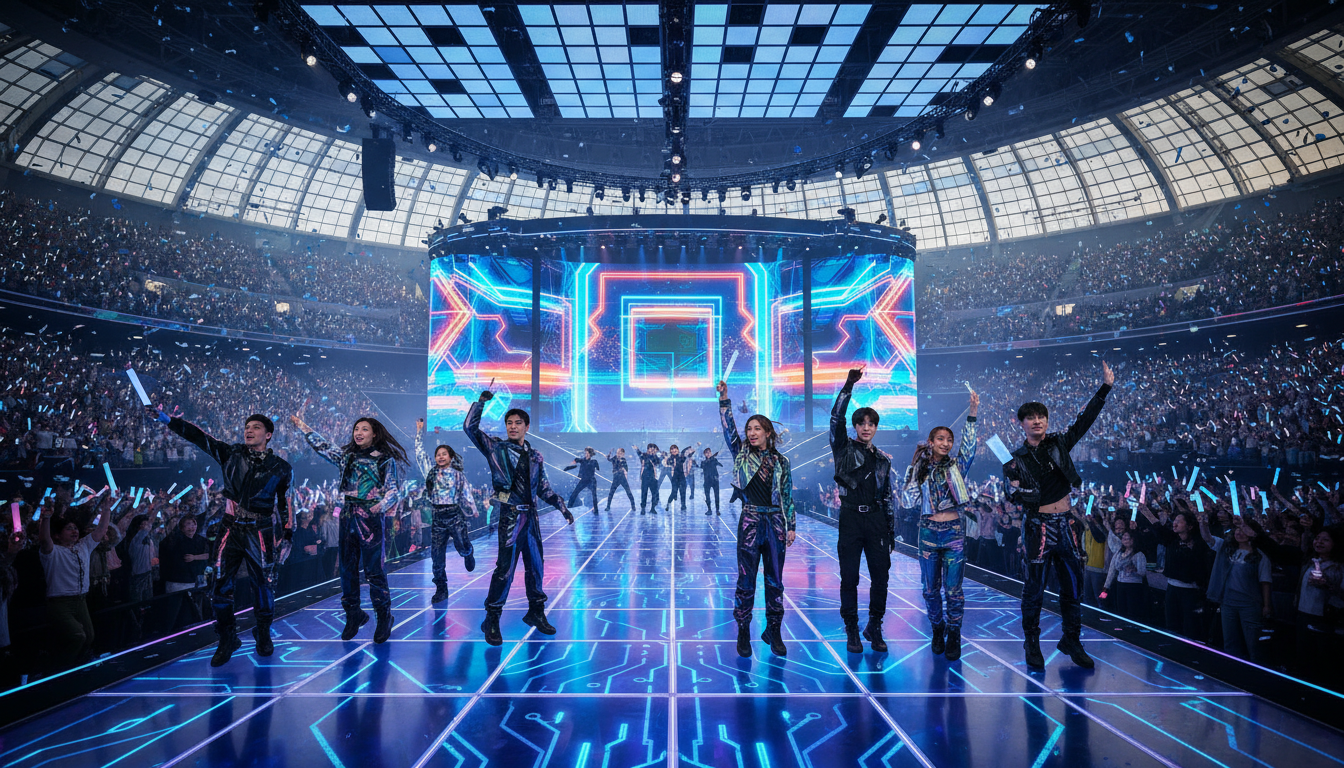
For instance, during recent tours by groups like SEVENTEEN and TWICE, AR overlays have projected holographic dancers that interact with the live performers, enhancing choreography and adding layers of visual complexity. This isn't just about flash; it's about deepening the emotional connection between idols and their fans. In Korean pop culture, where fan engagement is paramount, these tech integrations reflect the industry's commitment to innovation while honoring traditions like fan chants and light sticks.
How AR and VR Are Transforming K-pop Tours
In 2026, K-pop tours are no longer confined to physical arenas. VR headsets enable global fans to experience concerts from the comfort of their homes, with virtual tickets offering a front-row seat to performances streamed in high-fidelity 360-degree views. Imagine watching a NCT concert where VR allows you to "walk" around the stage, seeing close-ups of members' expressions and even participating in virtual fan interactions. This shift not only expands accessibility but also aligns with the Korean music industry's push for inclusivity, ensuring that international fans in places like Europe or the Americas can feel part of the "Hallyu wave" without traveling.
AR, on the other hand, brings digital enhancements directly into live venues. During BLACKPINK's hypothetical 2026 world tour - focusing purely on their concert innovations - fans might see AR filters on their phone screens that sync with the performance, turning the audience into a sea of glowing, interactive visuals. This technology draws from Korea's rich heritage of storytelling, reminiscent of traditional Korean folktales, by weaving narrative elements into the show. For example, a VR segment could transport viewers to a mythical Korean landscape, with idols performing amidst digital cherry blossoms, symbolizing the ephemeral beauty of youth in K-pop culture.
- Enhanced immersion: AR and VR make fans feel like they're part of the performance, not just spectators.
- Increased interactivity: Features like virtual high-fives or AR-based games during intermissions boost fan engagement.
- Global reach: VR concerts bridge geographical gaps, allowing K-pop's influence to spread further in the international music scene.
- Personalized experiences: Attendees can customize their view, choosing camera angles or even avatar appearances in VR modes.
The Impact on Artists and Fans
For K-pop artists, AR and VR offer new avenues for creativity and expression. Groups like EXO and Red Velvet have experimented with these technologies in their 2026 schedules, using AR to project personalized messages or VR for exclusive behind-the-scenes tours. This not only heightens the excitement of live shows but also provides artists with data on fan preferences, helping them tailor future performances. In the Korean music industry, where meticulous planning is key, such insights are invaluable for maintaining the high standards of K-pop productions.
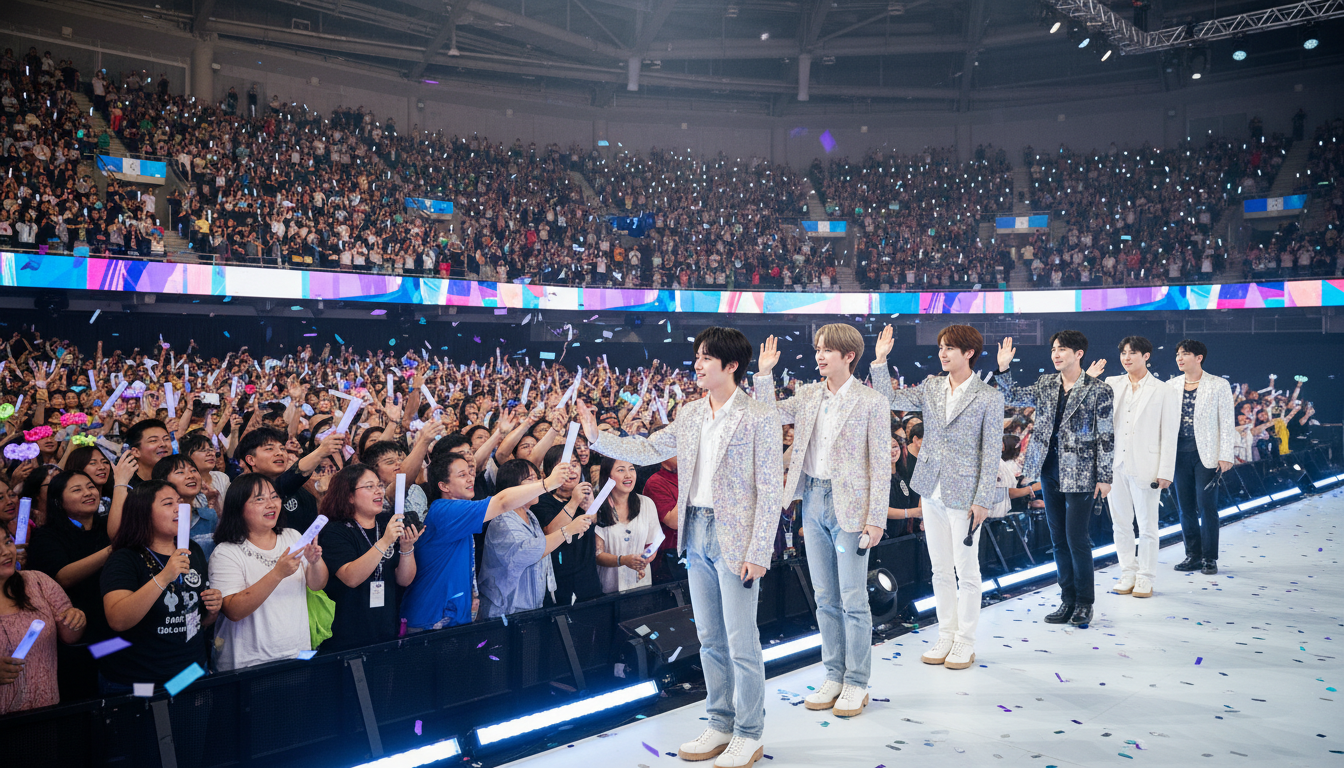
Fans, the lifeblood of K-pop, benefit immensely from these advancements. In Korean pop culture, community and shared experiences are sacred, and AR/VR technologies foster this by creating virtual fan meets or AR-enhanced light stick effects that synchronize across global audiences. A recent 2026 concert by ITZY, for example, featured an AR app that let fans vote on setlists in real-time, making each show unique and responsive to the crowd's energy. This level of interaction strengthens the bond between idols and their supporters, turning concerts into collaborative events.
However, it's not all seamless. The K-pop industry faces challenges like ensuring equitable access to VR equipment and addressing potential cyber security issues in AR applications. Despite these, the positives outweigh the negatives, as evidenced by the industry's investment in R&D, with companies like SM Entertainment and YG Entertainment leading the charge in tech-integrated concerts.
Future Prospects: What's Next for K-pop Concerts?
Looking ahead, the integration of AR and VR in K-pop concerts is set to evolve even further. By late 2026, we might see full-scale VR metaverses where fans can attend perpetual concerts, interacting with digital avatars of their favorite artists. This aligns with broader trends in Korean pop culture, where technology and tradition intersect to create hybrid experiences. For instance, upcoming tours could incorporate elements of traditional Korean dance, enhanced by AR projections that educate audiences on cultural heritage while entertaining them.
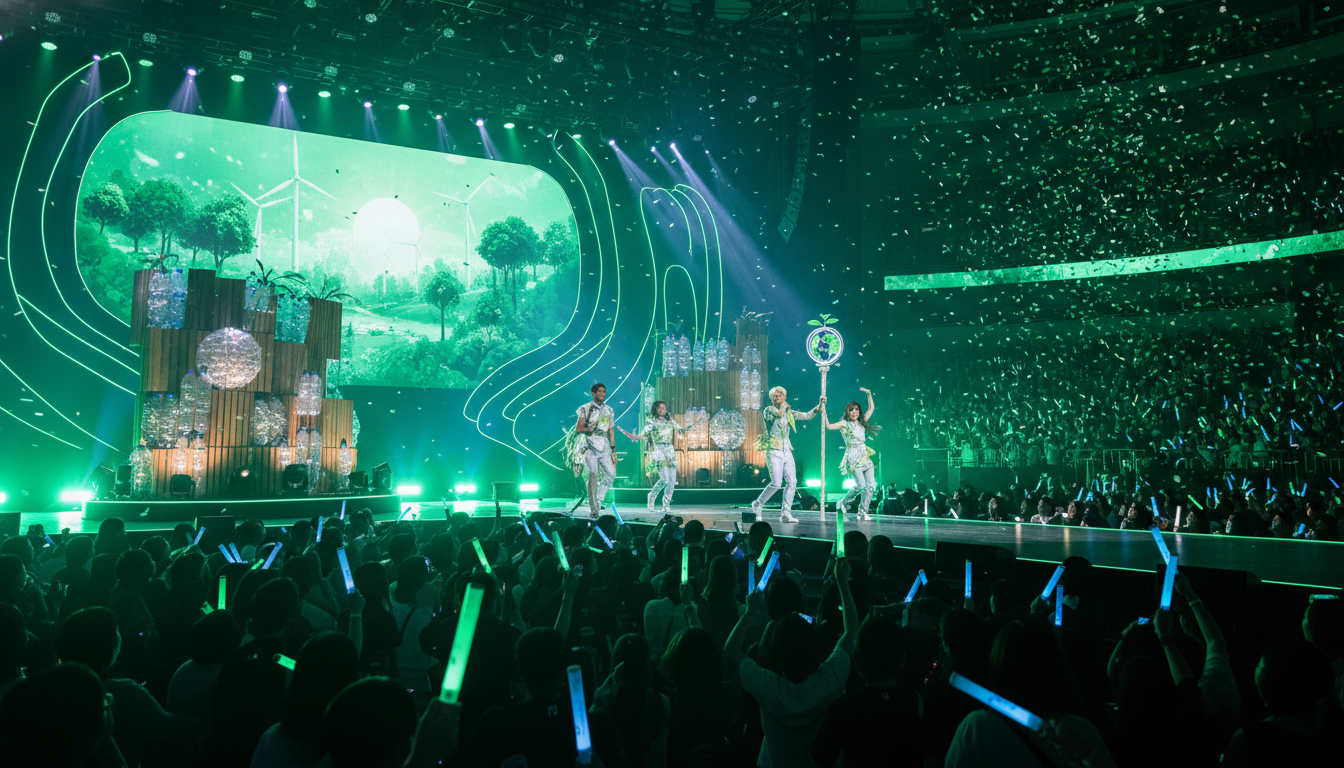
The Korean music industry's focus on sustainability also plays a role, with VR concerts reducing the carbon footprint of global tours by minimizing travel. Groups like TXT are already teasing such eco-friendly innovations for their 2026 schedules, promising concerts that are as kind to the planet as they are thrilling for fans. As K-pop continues to dominate the global stage, these technological leaps ensure that the genre remains fresh, engaging, and true to its roots.
In conclusion, the rise of AR and VR in 2026 K-pop concerts represents a bold step forward, merging cutting-edge technology with the passionate spirit of Korean pop culture. By making live shows more immersive and accessible, these innovations are not just enhancing performances - they're redefining what it means to be a K-pop fan in the modern era.