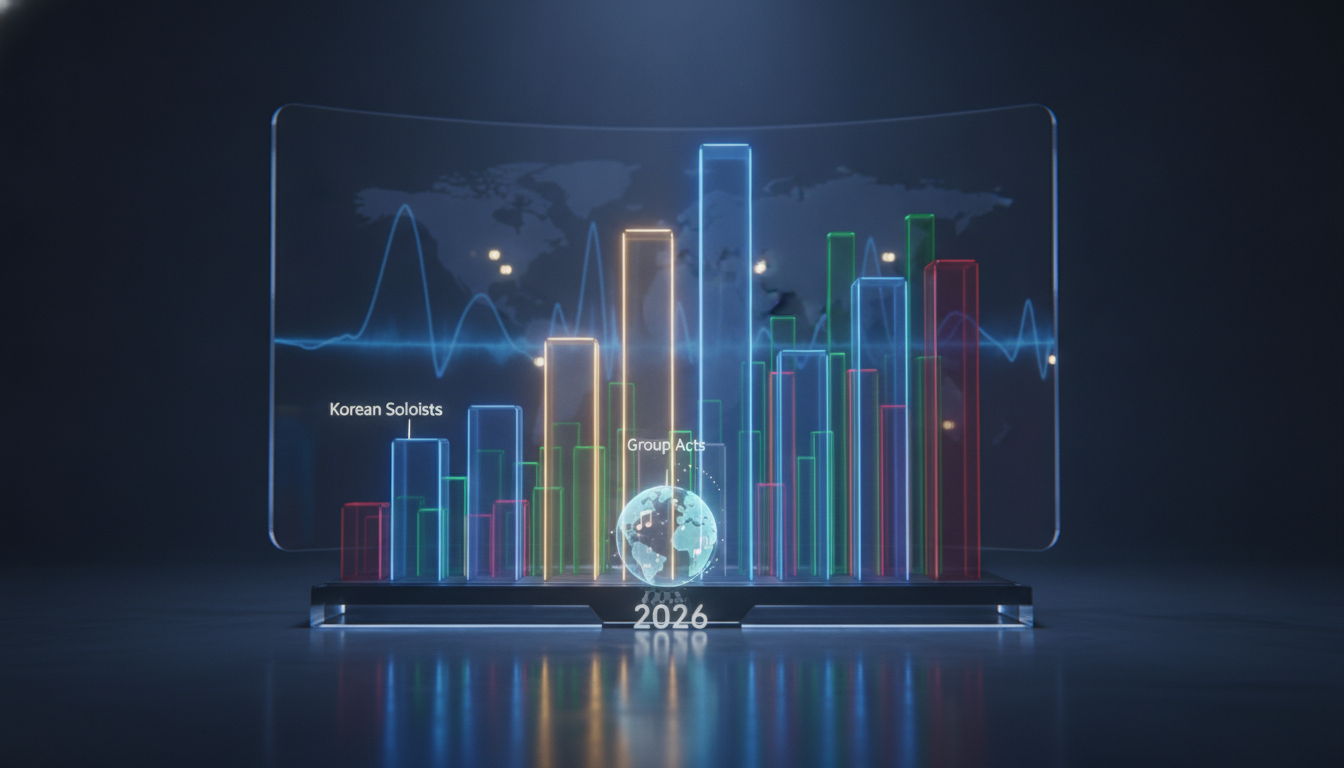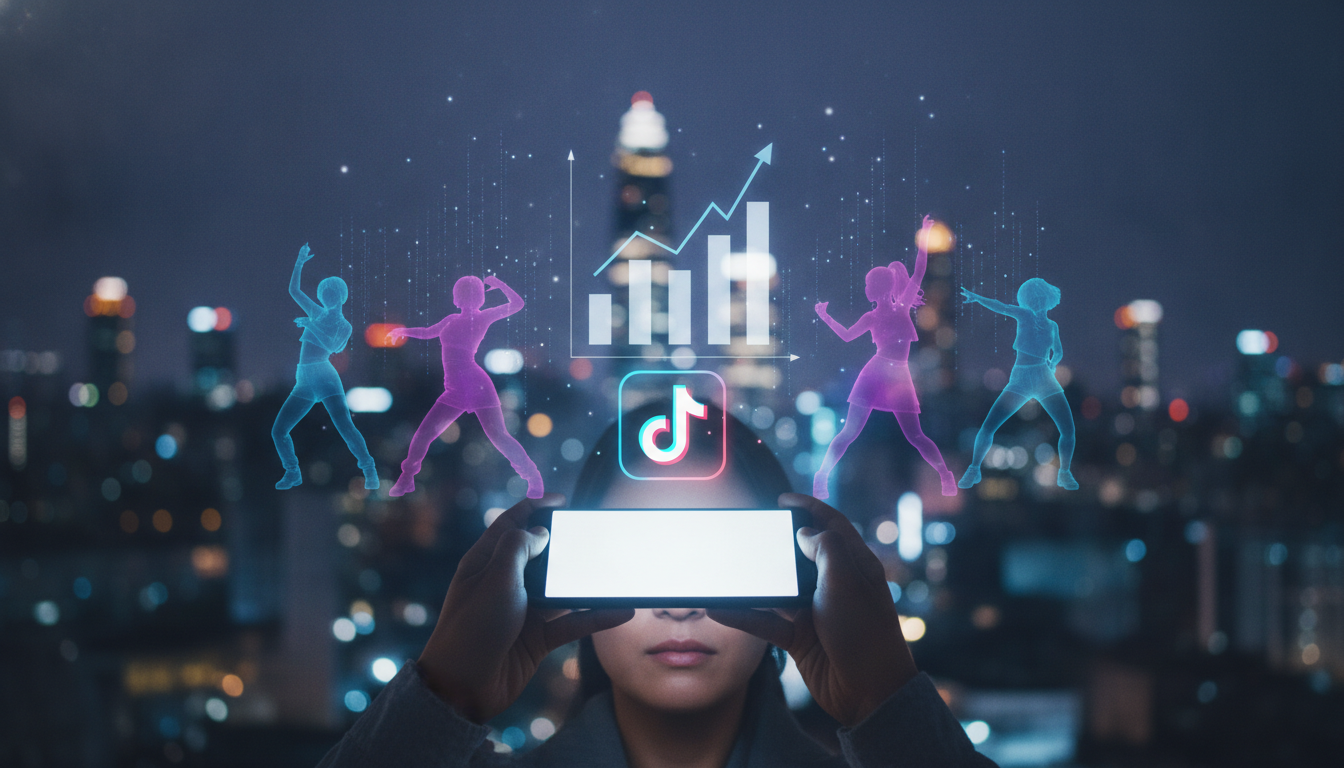
In 2026, TikTok is revolutionizing how K-pop songs rise and fall on the charts, shifting power from traditional music promotion to viral fan-driven content. K-pop groups and solo artists are rethinking their strategies, focusing more on the creation of short-form, shareable moments rather than relying solely on TV appearances or music video releases. This evolution is changing the industry, with chart rankings often determined by a song's ability to spark trends and challenges across social media.
The TikTok Effect: Turning Snippets Into Chart-Toppers
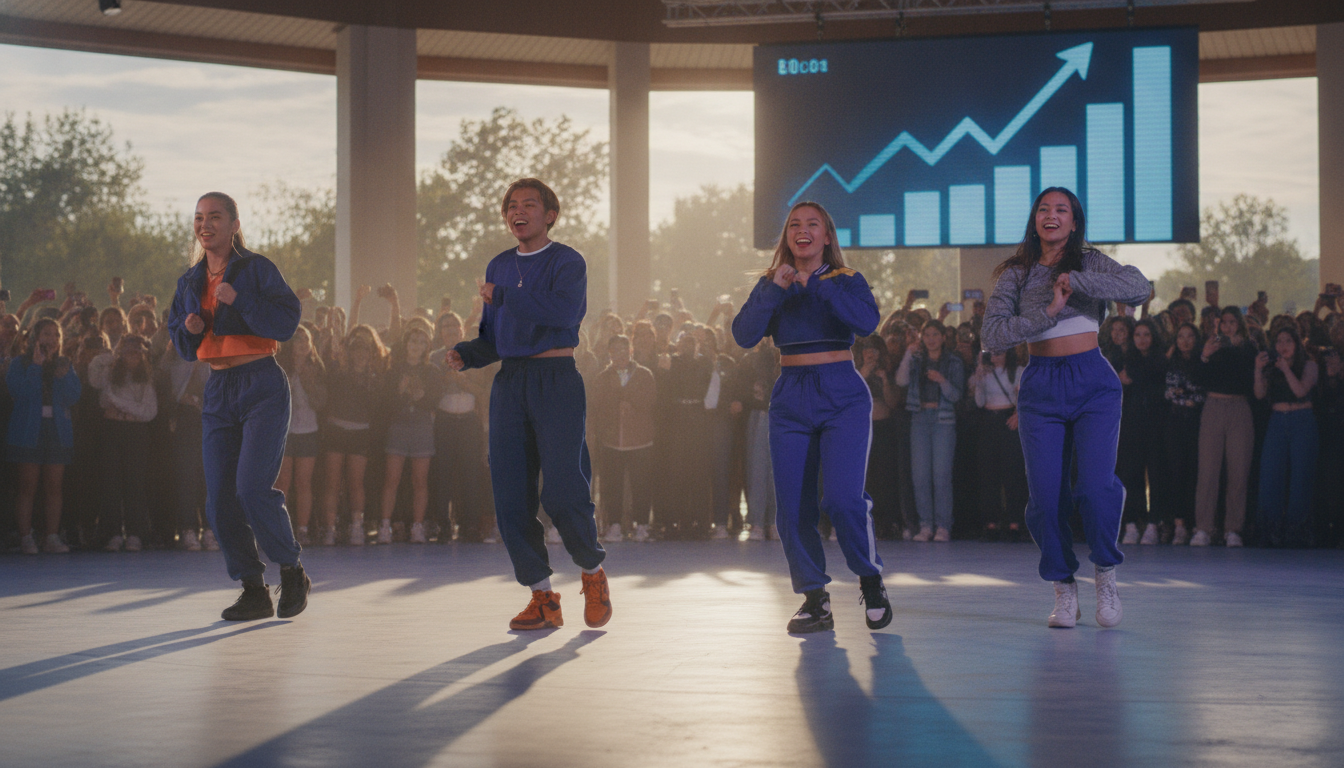
TikTok's format thrives on the energetic choreography and striking visuals that are central to K-pop. Short, memorable dance challenges are now standard, with artists releasing teaser clips specifically crafted for TikTok before their official music videos launch. These clips encourage fans to create their own versions, spreading the song organically and quickly.
- Dance challenges: Groups like VIVID9 and MONSTAR have released signature moves in advance, fueling millions of posts from fans and influencers.
- Hashtag campaigns: Entertainment companies are actively tracking branded hashtags, adjusting their promotional strategies based on real-time engagement and reach.
- Fan edits and covers: TikTok's editing tools make it easy for fans to remix choreography, vocals, and visuals, further amplifying the song's viral spread.
What was once a supplementary promotional tactic has become central to K-pop marketing. A viral 15-second moment can push a song from obscurity to dominance, sometimes within days.
Chart Metrics: Adapting to a Viral-First Era
K-pop charts are rapidly updating their formulas to account for TikTok's impact. South Korea’s Melon, Genie, and Bugs now include short-video statistics as part of their ranking calculations. International charts, such as Billboard’s Hot Trending Songs and Spotify’s K-pop Global chart, have also started factoring TikTok-driven engagement.
- Billboard’s Hot Trending Songs: This chart is refreshed hourly and incorporates TikTok mentions, trending hashtags, and user-generated content volume.
- Spotify’s K-pop Global chart: Tracks that go viral on TikTok often see dramatic spikes in streaming, resulting in sudden jumps or debuts.
- Circle Chart (formerly Gaon): The digital index now includes TikTok buzz as a key datapoint for weekly chart rankings.
For fans and industry insiders, watching a song's TikTok trend trajectory is almost as important as monitoring its audio streams or physical album sales. These changes are making K-pop charts more dynamic and unpredictable, with the potential for new acts to break through based on creativity and fan engagement rather than just industry backing.
K-pop Artists: Harnessing TikTok for Chart Success
K-pop artists are quickly adapting to the new environment. Rookie girl group VIVID9 saw their debut single reach number one on Melon and Genie after their dance challenge took off, generating over 10 million posts in just a week. Veteran boy group MONSTAR experienced a resurgence for their summer release, with a remix challenge on TikTok propelling their song onto the Billboard Hot 100 for the first time.
Soloists are also finding success on the platform. Singer-songwriter Jiwoo regularly posts behind-the-scenes song snippets and invites fans to duet or reinterpret melodies, fostering a sense of community and driving engagement. This approach turns passive listeners into active participants, further boosting streaming numbers and chart positions.
The result is a blend of official and fan-created content, often blurring the lines between promotional material and fandom expression. Artists who lean into this dynamic are seeing stronger chart performances, especially when their songs are easy to remix or adapt for viral challenges.
Fandom Power: Coordinated Streaming Meets Viral Campaigns
K-pop fandoms have always been organized and creative, but TikTok has amplified their reach. Global streaming parties now incorporate TikTok challenges, with fans scheduling posts to keep songs trending across different time zones. This collective effort multiplies visibility and ensures that new releases maintain momentum during their critical launch period.
- Timed posting: Fans coordinate TikTok uploads to maximize engagement worldwide, creating a steady stream of viral content.
- Choreography covers: Fan-made dance routines supplement official challenges, increasing the song's digital footprint and appeal.
- Viral campaigns: Fandoms initiate hashtag movements and encourage participation in remix challenges, often outpacing company-led promotions.
These tactics not only drive chart numbers but also foster a sense of belonging. Songs that become viral through fan campaigns often sustain their chart positions longer, as the community continues to produce new content and keep the track relevant.
Rapid Rise and Fall: The Volatility of Viral Hits
TikTok virality comes with both opportunities and risks. Songs can climb the charts overnight, propelled by a challenge or meme, only to drop quickly if another trend takes over. For smaller or newer acts, TikTok offers a path to recognition that bypasses traditional gatekeepers. However, the competition is intense, and maintaining relevance requires constant creativity.
Industry insiders expect entertainment companies to invest more in digital marketing teams and content creators dedicated to TikTok and similar platforms. Some worry that an emphasis on virality might favor quick hits over lasting musical impact, but others see it as a chance for innovative artists and fandoms to shape the industry on their own terms.
Ultimately, the volatility means that chart success is less predictable, and the pressure to create engaging content is higher than ever. K-pop artists must balance musical quality with the demands of social media trends if they want to achieve and sustain chart dominance.
The Future: K-pop Charts Driven by Digital Trends
K-pop’s global influence and technological innovation are likely to keep TikTok at the center of chart strategies. Industry leaders are prioritizing digital-first releases, interactive challenges, and real-time fan campaigns. Collaborations between artists, influencers, and fans are becoming more common, further blurring the lines between official promotional work and grassroots viral activity.
Fans can expect more surprise challenges, cross-genre collaborations, and interactive content that invites participation. The chart landscape is more fluid than ever, with viral moments determining which songs dominate both domestic and international rankings.
As 2026 unfolds, K-pop charts reflect not just what people are listening to, but how they engage, remix, and share music. TikTok's influence is reshaping the industry, offering new opportunities for creativity and connection in the digital era.